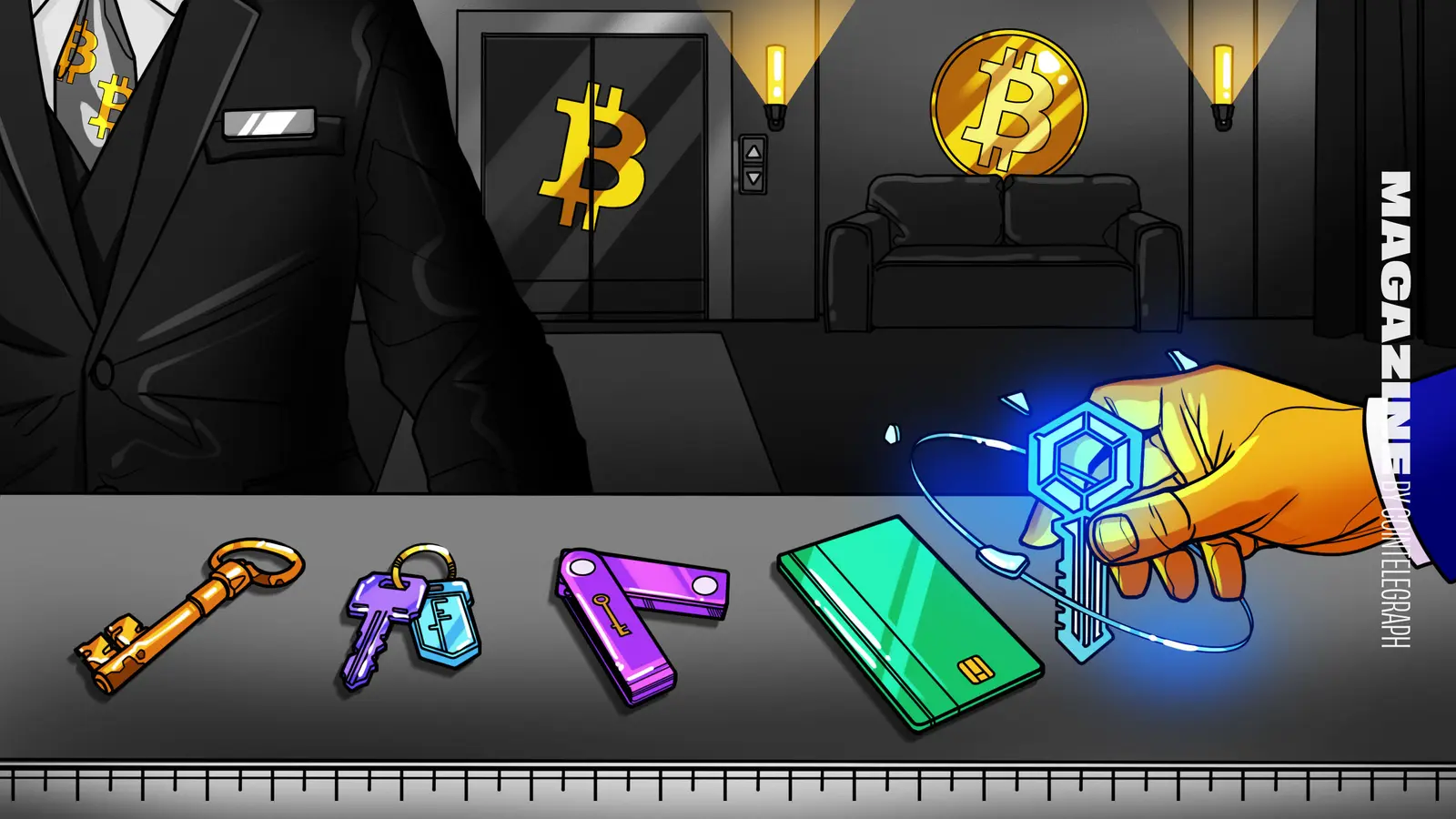
Diverse Storage Options Emerge
As physical threats against cryptocurrency holders surge, investors are reconsidering their security strategies. This shift moves away from traditional hardware devices toward diverse storage methods. The growing frequency of forced entry attacks highlights vulnerabilities in relying solely on physical keys. Consequently, digital asset owners seek safer alternatives to protect their holdings from both physical and human error risks.
Breaking news
 Solana's Firedancer Now Charges 1 SOL Per Bug Report
 Bitcoin Holds Near $80,500 Ahead of Midterms and Fed Decision
 Anchorage Digital Bank Expands Bitso Deal to Anchor US-Mexico Stablecoin Corridor
 CFTC Challenges Utah's $60 Million Prediction Market Lawsuit
The rise in physical coercion incidents has exposed significant weaknesses in hardware wallet adoption. In France alone, a $5 wrench attack occurs every 2.5 days this year. These incidents involve criminals forcing victims to reveal their private keys under threat. Beyond physical danger, many users lose wallets or seed phrases due to simple mistakes. Some attribute these losses to boating accidents or other mishaps. These combined factors make single-point-of-failure solutions less appealing to cautious investors.
Several robust alternatives now exist for securing digital assets without relying exclusively on cold storage devices. Exchange-traded funds allow users to hold Bitcoin through traditional brokerage accounts. This method eliminates the need for managing private keys entirely. Passkeys offer a modern authentication layer that reduces reliance on static seed phrases. Multisig technology requires multiple signatures to authorize transactions, distributing risk across several parties. Each option addresses specific pain points associated with traditional hardware wallets. Investors can choose based on their risk tolerance and technical comfort level.
Is Physical Security Still Viable?
Multisig setups provide a particularly strong defense against loss. If one device fails or is stolen, the remaining keys preserve access. This redundancy ensures that a single point of failure does not result in total asset loss. Passkeys integrate seamlessly with modern operating systems, simplifying the user experience. They reduce the cognitive load of memorizing long strings of characters. For less tech-savvy users, ETFs remain the simplest entry point. These products track Bitcoin prices without requiring self-custody responsibilities.
Despite the popularity of alternatives, hardware wallets still serve a critical role for many. They offer offline storage that isolates keys from internet threats. However, the increasing frequency of physical attacks challenges their long-term viability. Users must weigh the benefits of offline security against the risks of physical coercion. A comprehensive strategy often combines multiple methods rather than relying on one. This layered approach mitigates distinct types of risk simultaneously.
The future of Bitcoin storage likely involves hybrid models. Institutions may adopt multisig frameworks to enhance governance and security. Retail investors might prefer the simplicity of passkeys or ETFs. As technology evolves, the gap between professional and personal custody will narrow. The key takeaway is that no single solution fits all needs. Diversifying storage methods provides the strongest protection against emerging threats.
Frequently Asked Questions
Are ETFs a safe way to store Bitcoin? ETFs offer institutional-grade custody and eliminate private key management. However, they introduce counterparty risk since a third party holds the assets. This trade-off suits investors who prioritize convenience over absolute self-custody.
How does multisig prevent total loss? Multisig requires multiple independent keys to sign a transaction. Losing one key does not compromise the entire wallet. This structure ensures that a single device failure or theft does not erase access to funds.
Do passkeys replace seed phrases entirely? Passkeys reduce reliance on memorized seed phrases by using cryptographic authentication. They simplify recovery processes compared to traditional methods. However, users should still maintain backup strategies for maximum security.