
How leveraged trading intensified the sell-off
On October 8, 2026, Bitcoin’s price slipped below $81,000, triggering a rapid wave of leveraged position closures across cryptocurrency exchanges. Within a single hour, over $485 million in crypto trades were liquidated, with the majority being long positions betting on further price increases. The sudden decline caught many traders off guard as multiple market pressures converged at once.
Breaking news
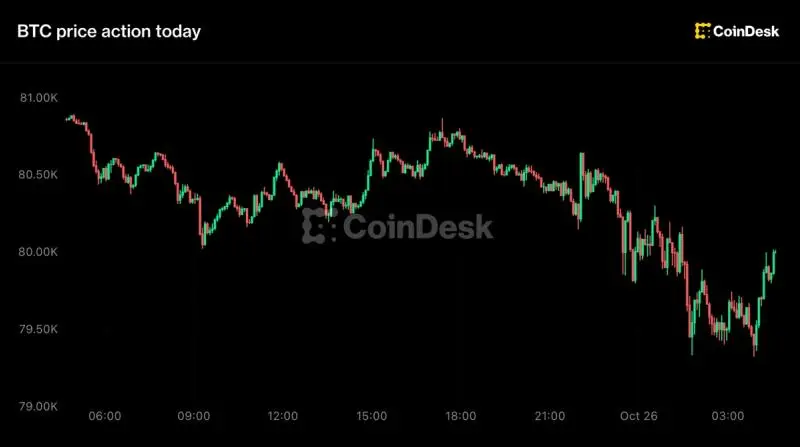 Bitcoin drops below $80,000 as traders de-risk ahead of Fed meeting
 PancakeSwap Sets Hard Deadline for opBNB CAKE Holders to Bridge Out
 BloomTrading Bot Users Lose $1M in Wallet Drain
 CoinDCX Absorbs $16 Million Loss After Internal Wallet Failure
The drop was not isolated but amplified by rising U. S. Treasury yields, increasing oil prices, and notable transfers from government-held digital wallets. These factors combined to create a perfect storm that overwhelmed leveraged longs, which are particularly vulnerable to sharp downward moves. Traders using borrowed funds to amplify their exposure faced automatic sell-offs as prices fell, accelerating the decline in a feedback loop. The speed and scale of the liquidations highlighted how quickly market sentiment can shift in the crypto space, especially when external economic indicators move in tandem.
Could this happen again with current market conditions?
Leveraged trading allows investors to control larger positions with less capital, but it also magnifies losses when prices move against them. In this case, the majority of the $485 million in liquidations came from long bets, meaning traders had expected Bitcoin to rise. When the price broke below $81,000, exchanges automatically closed these positions to prevent further losses, adding selling pressure that pushed prices lower still. This mechanism turned a moderate dip into a sharp, short-term crash, demonstrating the systemic risk that high leverage can introduce during periods of volatility.
While the specific combination of factors on October 8, 2026, may not repeat exactly, the underlying vulnerabilities remain. Rising interest rates, energy price swings, and large-scale wallet movements continue to influence crypto markets. Unless traders adjust their leverage levels or exchanges implement stronger safeguards, similar cascades could occur during future stress events. Analysts warn that without better risk management, the crypto market will remain prone to sudden, liquidation-driven swings.
What caused Bitcoin to fall below $81,000 on October 8, 2026? The decline was driven by a mix of rising U. S. Treasury yields, higher oil prices, and significant transfers from government-held cryptocurrency wallets, which together increased market pressure.
Frequently Asked Questions
Why were most liquidations long positions? Many traders had used leverage to bet on Bitcoin’s price increasing, so when the market moved downward, their positions were automatically closed by exchanges to limit losses, adding to the selling pressure.
Is leveraged trading inherently risky in cryptocurrency markets? Yes, leveraged trading increases both potential gains and losses, and in volatile markets like crypto, it can lead to rapid liquidations that amplify price swings and affect broader market stability.