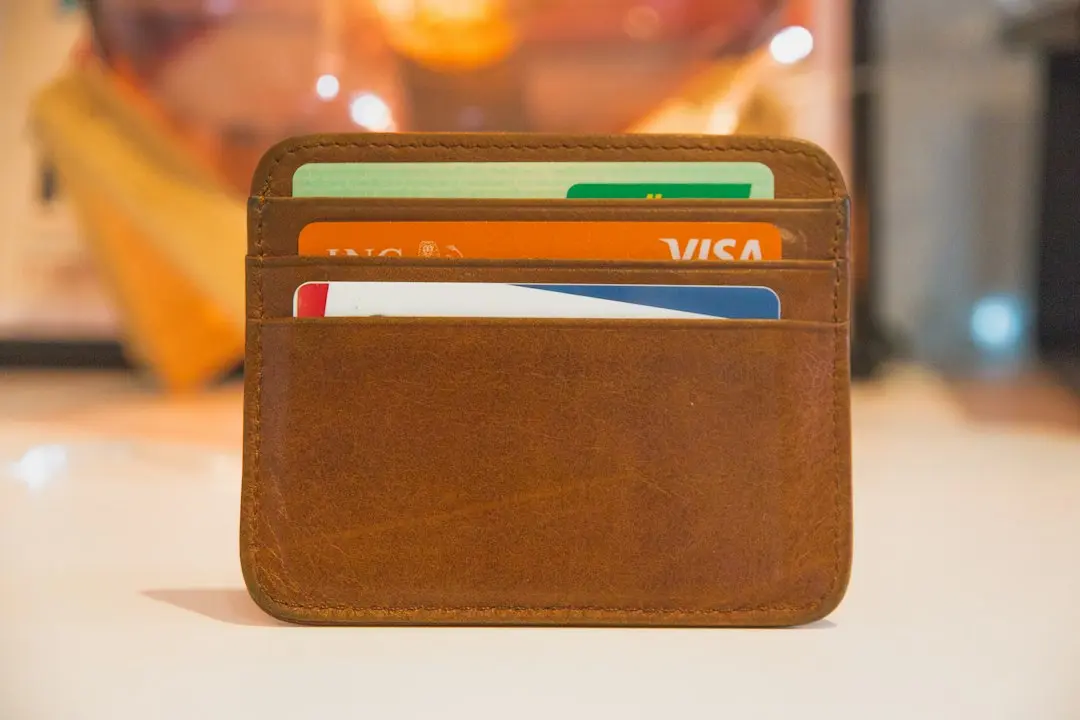
How the Solana‑Powered Settlement Works
A new payment system allows shoppers to use their Visa cards for purchases while merchants receive U. S. dollars, even when the settlement currency is the stablecoin USDC. The technology, rolled out by Visa in the United States, routes the transaction through the Solana blockchain, enabling instant settlement without traditional Know‑Your‑Customer checks.
Breaking news
 Injective Seeks SEC Approval for Onchain Trading of Tokenized Stocks
 Bitcoin Hits $61,000 as Short Sellers Face $117 Million in Liquidations
 Bitcoin’s Dormant Supply Hits 68.5% as Price Stalls Near $60,000
 Bitcoin ETFs Bleed $3.05B in Seven Days as November Outflows Hit $5.39B
The system works by converting the cardholder’s payment into USDC on the Solana network. The merchant’s bank then settles the transaction in dollars, effectively bridging the gap between crypto and fiat. This process is available in more than 180 countries and can be used with Apple Pay and Google Pay, making it accessible to a broad consumer base.
What This Means for Merchants and Consumers
Visa’s new rail leverages Solana’s high‑throughput blockchain to process card payments in milliseconds. When a shopper taps a Visa card, the transaction is captured and converted to USDC. The stablecoin is then transferred across the Solana network to the merchant’s bank, where it is immediately converted back to U. S. dollars for settlement. Because Solana can handle thousands of transactions per second, the entire process takes less than a second, eliminating the delays typical of cross‑border banking.
Banks participating in the program do not need to perform KYC on each transaction, as the blockchain’s immutable ledger provides auditability. This reduces compliance costs and speeds up onboarding for smaller merchants who previously struggled with traditional banking infrastructure.
Will This Change How We Pay in the Future?
Merchants benefit from faster payouts and lower transaction fees compared to conventional card networks. The use of a stablecoin reduces currency volatility risk, ensuring that the amount received in dollars reflects the exact value at the time of purchase. For consumers, the experience remains unchanged: they can use their existing Visa cards or contactless payments without knowing that the underlying settlement is happening on a blockchain.
The rollout also opens the door for banks to experiment with other crypto assets. By demonstrating that a stablecoin can reliably settle card payments, Visa has set a precedent for future integrations of digital currencies into everyday commerce.
Frequently Asked Questions
The introduction of a crypto‑backed card payment rail could accelerate the adoption of digital currencies in retail. As more banks join the Solana network, merchants may see a shift toward lower fees and faster settlements. However, regulatory scrutiny remains a concern, especially regarding anti‑money‑laundering compliance and cross‑border data flows.
Overall, the move signals a significant step toward a more inclusive payment ecosystem, where traditional banking and emerging blockchain technology coexist seamlessly.