Prioritizing Clarity in Digital Asset Regulation
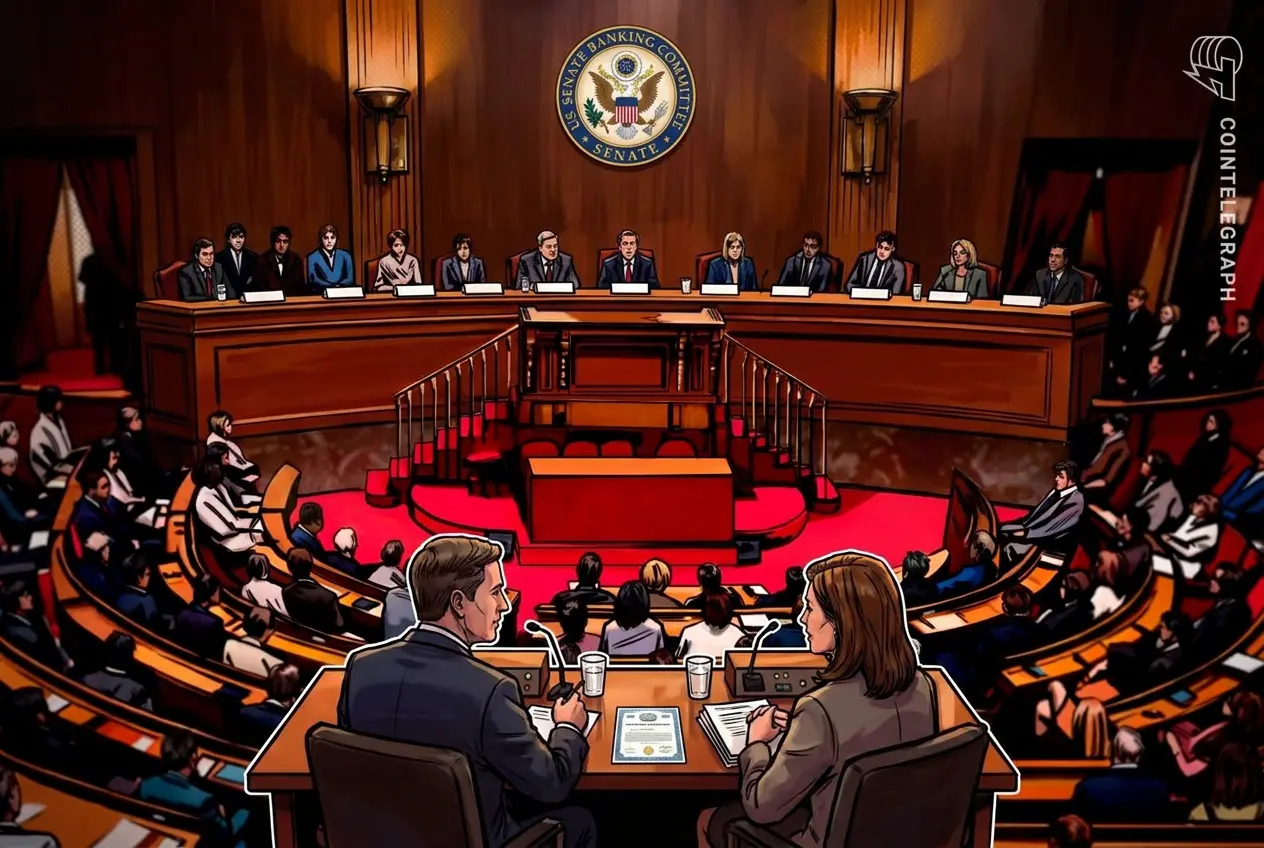
Kristin Johnson and Steven Levine appeared before Congress on Thursday to address key regulatory issues. Both are President Donald Trump’s nominees for vacant seats at the US Securities and Exchange Commission. They faced scrutiny regarding how the agency will protect investors in emerging markets. The hearing focused heavily on digital assets and modern trading methods. Lawmakers sought clarity on their proposed approaches to oversight.
Breaking news
 Injective Seeks SEC Approval for Onchain Trading of Tokenized Stocks
 Bitcoin Hits $61,000 as Short Sellers Face $117 Million in Liquidations
 Bitcoin’s Dormant Supply Hits 68.5% as Price Stalls Near $60,000
 Bitcoin ETFs Bleed $3.05B in Seven Days as November Outflows Hit $5.39B
Johnson, a former CFTC Commissioner and Democrat, emphasized the need for structured regulations. She argued that tokenized stock trading requires a clear legal framework. This approach ensures that digital shares operate under the same standards as traditional equities. Levine, an ex-SEC aide, supported this view during his testimony. Both nominees highlighted the importance of balancing innovation with investor safety. They stressed that informal guidance is often insufficient for complex financial products.
The candidates outlined their strategies for handling tokenized securities. Johnson stated that formal rulemaking provides necessary predictability for market participants. This process allows for public comment and rigorous review before implementation. It reduces ambiguity for firms looking to issue or trade digital stocks. Levine echoed these sentiments, noting that the SEC must adapt to technological shifts. He suggested that current guidelines may be too slow for the rapid pace of fintech development. The duo agreed that a dedicated task force could accelerate this process. Their joint stance suggests a unified front on digital asset policy.
Will New Rules Accelerate Market Adoption?
Lawyers and industry experts have long debated the best path forward. Some advocate for a sandboxenvironment for testing new ideas. Others prefer strict adherence to existing securities laws. Johnson’s preference for formal rules signals a move toward stability. This method creates a binding standard rather than mere recommendations. It helps prevent regulatory arbitrage across different jurisdictions. The committee members pressed them on potential timelines for these new rules. Both nominees indicated that the process would take significant time. However, they promised to prioritize high-impact areas first.
The outcome of this hearing will shape the future of US capital markets. If Johnson and Levine are confirmed, they will lead the SEC’s next phase. Their focus on tokenized stocks could attract global investment. Clear rules reduce the risk for institutional investors entering the space. This may encourage banks and asset managers to integrate digital assets. Conversely, delays in rulemaking could push activity offshore. Competitors in other countries are already establishing their own frameworks. The US needs to act quickly to maintain its competitive edge. Investors are watching closely for signals of progress.
The confirmation process remains a critical hurdle for both nominees. Political dynamics within the Senate will influence the final decision. If approved, Johnson and Levine will work with the current SEC chair. They will need to coordinate with other regulators like the CFTC. Their background in both agencies provides valuable cross-departmental insight. This experience could streamline communication between federal bodies. The market awaits their appointment with cautious optimism. A strong regulatory signal is essential for growth. The coming months will reveal if this vision becomes reality.
Frequently Asked Questions
Who are the two SEC nominees mentioned in the report? Kristin Johnson is a former CFTC Commissioner and Democrat. Steven Levine is a former SEC aide. Both are nominated by President Trump to fill agency vacancies.
What specific trading method did Johnson support regulating? Johnson backed formal rulemaking for tokenized stock trading. She believes digital shares need a clear legal structure. This ensures they meet the same standards as traditional stocks.
Why is formal rulemaking preferred over informal guidance? Formal rulemaking creates binding standards through public review. It offers greater predictability and legal certainty. This helps firms plan long-term strategies without fear of sudden changes.
