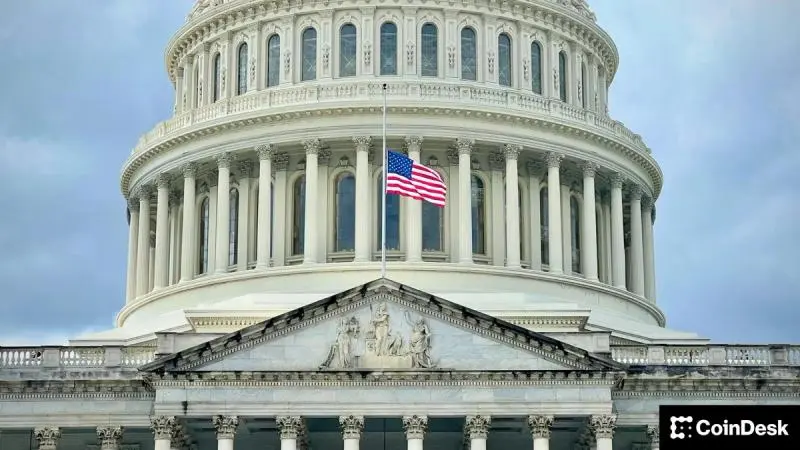
Regulatory Uncertainty Amidst Institutional Commitment
Wall Street executives and legal experts believe that the rapid adoption of tokenized assets and stablecoins will persist despite recent political changes. The Democratic Party’s electoral sweep has introduced uncertainty regarding the future of broader cryptocurrency regulations. However, current financial infrastructure projects are expected to continue operating under existing legal frameworks. This resilience stems from the deep integration of blockchain technology into traditional finance. Major institutions are already committed to these systems, making a sudden halt unlikely. The sector faces a complex regulatory landscape that may evolve slowly rather than abruptly.
Breaking news
 Injective Seeks SEC Approval for Onchain Trading of Tokenized Stocks
 Bitcoin Hits $61,000 as Short Sellers Face $117 Million in Liquidations
 Bitcoin’s Dormant Supply Hits 68.5% as Price Stalls Near $60,000
 Bitcoin ETFs Bleed $3.05B in Seven Days as November Outflows Hit $5.39B
The primary concern for industry leaders is not the immediate survival of tokenization, but the stability of the regulatory environment. The Securities and Exchange Commission and the Commodity Futures Trading Commission face increased scrutiny. Critics argue that these agencies have historically struggled to keep pace with technological innovation. Consequently, there are questions about how long current rules will remain in effect. Experts suggest that while specific agency actions might be reversed, the underlying legal permission for these financial instruments remains intact. This creates a buffer zone for businesses that have already invested heavily in blockchain rails.
Financial institutions are moving forward with tokenization initiatives regardless of political tides. The cost of reversing these projects is prohibitively high for major banks and asset managers. Legal analysts point out that tokenization relies on established securities laws rather than new, specific crypto legislation. This means that even if Congress fails to pass comprehensive digital asset bills, the industry can function. Stablecoins, in particular, benefit from recent legislative clarity that is difficult to undo quickly. The focus now shifts to how regulators will enforce existing rules rather than whether they will allow the technology to exist.
Will Agency Oversight Limit Crypto Growth?
Proponents of blockchain finance emphasize the efficiency gains from settling transactions on distributed ledgers. These systems reduce settlement times from days to seconds. They also lower counterparty risk and improve transparency for investors. Despite the political headwinds, the demand for faster and cheaper financial transactions continues to grow. Global competitors are also advancing their own blockchain initiatives, putting pressure on the United States to maintain its leadership. A retreat in regulatory support could push innovation to other jurisdictions. This outcome would be detrimental to American financial competitiveness.
The future of crypto regulation hinges on the balance between innovation and consumer protection. Democrats have generally favored a more cautious approach to digital assets. They prioritize strict oversight to prevent fraud and market manipulation. This stance contrasts with the previous administration’s more permissive attitude. As a result, companies may face longer approval processes and higher compliance costs. However, a clear set of rules can also provide the certainty needed for long-term investment. The key issue is whether regulators can create a framework that supports growth without stifling it.
Industry leaders urge policymakers to focus on functional outcomes rather than ideological divides. They argue that tokenization benefits all market participants by increasing liquidity and access. Stablecoins offer a reliable store of value and medium of exchange. These tools have proven their utility in real-world applications. Disrupting this progress would send a negative signal to global investors. The sector needs predictability to plan for the future. A bipartisan approach to regulation could help bridge the gap between technological advancement and legal compliance.
Frequently Asked Questions
Will tokenization stop if Democrats control Congress? No, experts believe tokenization will continue under existing securities laws. The legal foundation for these assets does not rely on new, specific crypto bills that are currently at risk.
How do stablecoins differ from other crypto assets in this context? Stablecoins benefit from recent legislative clarity that provides a more stable legal footing. This makes them less vulnerable to immediate regulatory reversals compared to broader crypto rules.
What is the main risk for the industry now? The primary risk is prolonged uncertainty from regulatory agencies. Slower approval processes and stricter oversight could increase costs and delay new product launches.
