How Stablecoins Became Enforcers of Sanctions
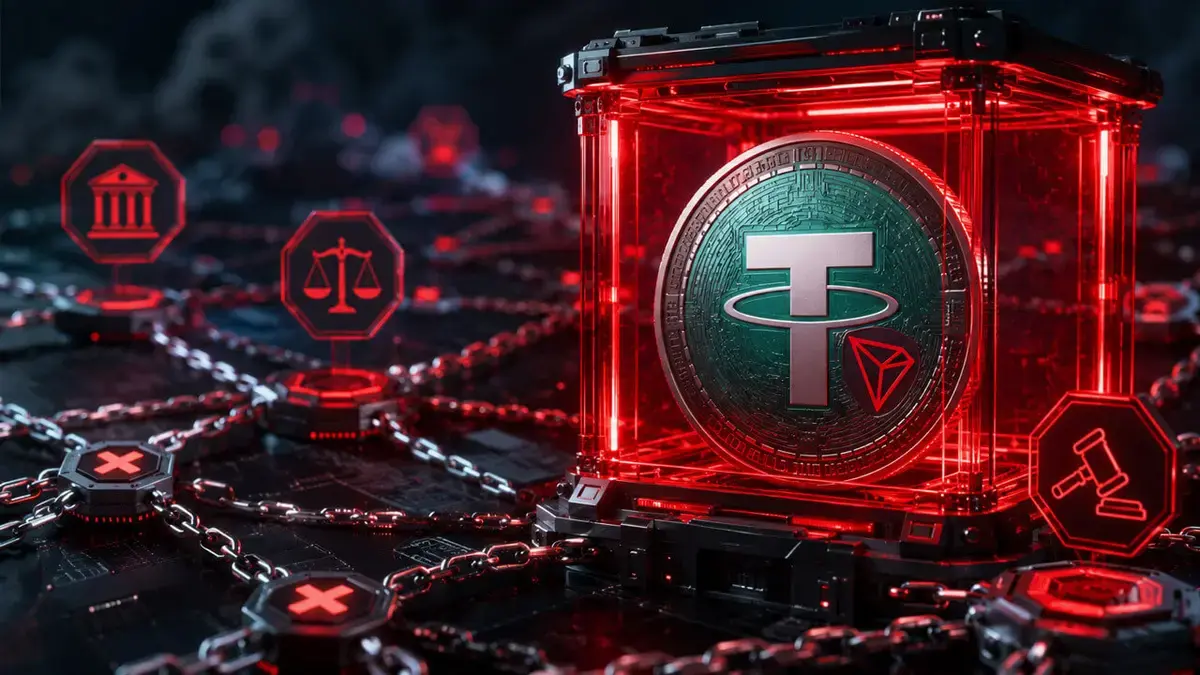
Tether, a prominent stablecoin issuer, has frozen USDT balances on 131 TRON addresses linked to ISIS-K, a militant group active in Afghanistan, Pakistan, and parts of Central Asia. This move highlights the growing role of public-chain intelligence, sanctions lists, and issuer controls in enforcing financial regulations. The freeze occurred after a recent update to the US Office of Foreign Assets Control (OFAC) sanctions list.
Breaking news
 Bitcoin Drops Below $82,000 After Hot US Inflation Data
 Kraken Parent Payward Acquires Saldo Bank for European Expansion
 UK Trader Sues BitMEX Over 1,053 Losing Trades in £20 Million Claim
 EU Banking Regulator Seizes Direct Control of USDC Oversight
The operation demonstrates how stablecoins, once seen as a decentralized and unregulated alternative to traditional currencies, are increasingly subject to the same financial regulations as their fiat counterparts. With the rise of public-chain intelligence and issuer controls, stablecoins are being brought into the sanctions machine.
Tether's move is a significant development in the growing intersection of blockchain technology and financial regulations. The company was able to identify and freeze the balances on the 131 TRON addresses using a combination of public-chain intelligence and issuer controls. This process relies on the ability to track transactions and identify suspicious activity on the blockchain.
Can Stablecoins Be Used to Evade Sanctions?
The use of public-chain intelligence in sanctions enforcement is a relatively new development. However, it has the potential to significantly enhance the effectiveness of financial regulations. By leveraging the transparency and immutability of blockchain technology, regulators can more easily track and identify illicit financial activity.
The ability of stablecoins to be used to evade sanctions is a pressing concern for regulators. With the rise of decentralized finance (DeFi) and the increasing popularity of stablecoins, there is a growing risk that these assets could be used to circumvent financial regulations. However, the Tether operation suggests that stablecoins can also be used to enforce sanctions.
Consequences and Outlook
The move by Tether highlights the complex and evolving nature of financial regulations in the digital age. As blockchain technology continues to mature, it is likely that we will see more innovative uses of public-chain intelligence and issuer controls in sanctions enforcement.
The freeze of ISIS terror wallets by Tether has significant implications for the future of stablecoins and financial regulations. It highlights the need for greater cooperation between regulators, issuers, and the blockchain community to ensure that these assets are used in a responsible and compliant manner. As the use of stablecoins continues to grow, it is likely that we will see more innovative uses of public-chain intelligence and issuer controls in sanctions enforcement.
Frequently Asked Questions