How the Draft Bill Regulates Token Issuance
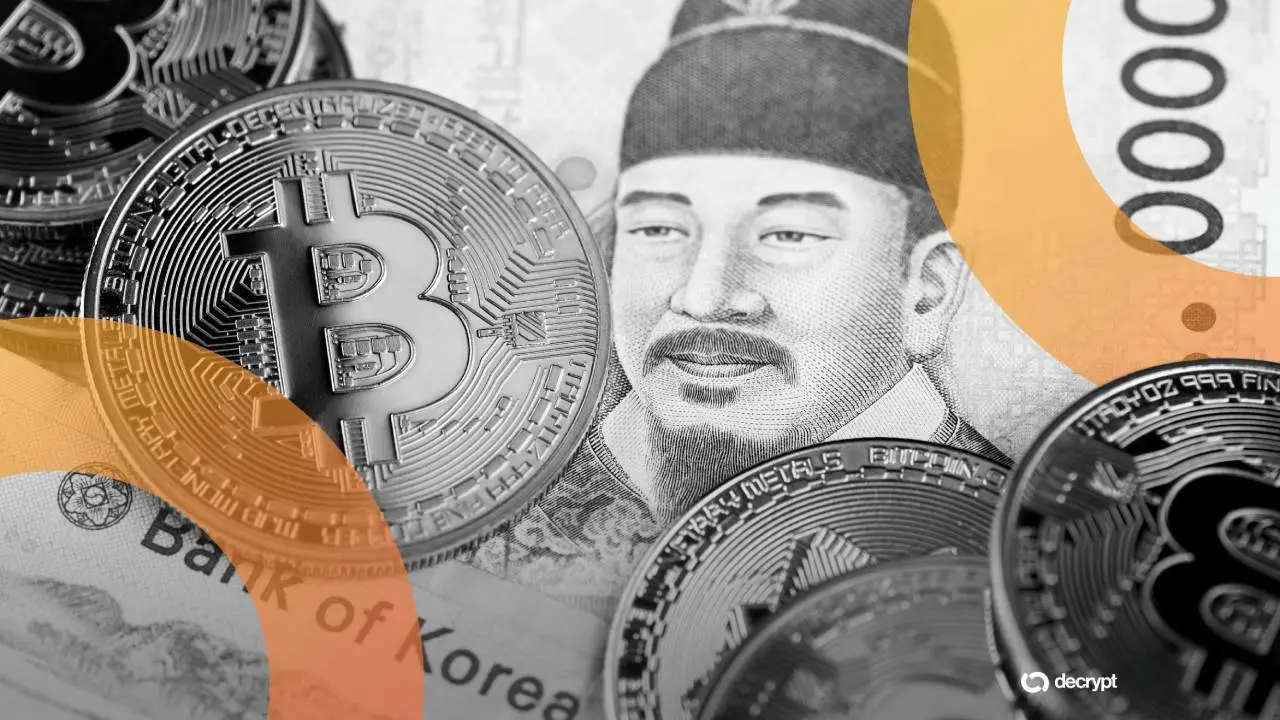
South Korea’s Financial Services Commission has drafted a Digital Asset Act that would formally lift the country’s 2017 ban on initial coin offerings. The proposal allows domestic projects to issue and sell tokens for the first time in nearly a decade. This marks a major policy shift for one of Asia’s largest crypto markets.
Breaking news
 Injective Seeks SEC Approval for Onchain Trading of Tokenized Stocks
 Bitcoin Hits $61,000 as Short Sellers Face $117 Million in Liquidations
 Bitcoin’s Dormant Supply Hits 68.5% as Price Stalls Near $60,000
 Bitcoin ETFs Bleed $3.05B in Seven Days as November Outflows Hit $5.39B
The draft bill introduces a structured regulatory framework for digital assets. It defines what counts as a digital asset and sets rules for exchanges, custodians, and issuers. The commission aims to bring clarity to a sector that operated in a gray zone for years.
Under the proposed law, issuers and their executives would face civil, financial, and criminal liability for false disclosures. This accountability measure is designed to protect retail investors from fraud. The bill also establishes licensing requirements for exchanges and sets capital adequacy standards.
Will This Change Attract More Crypto Projects to Korea?
Korea’s crypto market has grown rapidly despite the ICO ban. Retail investors turned to offshore platforms and decentralized exchanges to buy tokens. The new law would give domestic projects a legal path to raise capital through token sales.
The regulatory clarity could make Korea more attractive to blockchain startups. Companies that previously launched tokens offshore may now choose to list domestically. The bill also addresses stablecoins, which have become a key part of global crypto infrastructure.
Financial regulators have emphasized investor protection as a core goal. The law would require clear disclosure documents before any token sale. This mirrors securities regulations in other jurisdictions.
Frequently Asked Questions
What exactly does the Digital Asset Act cover? The bill defines digital assets, regulates exchanges and custodians, and creates a legal framework for token issuance. It also sets liability rules for issuers.
When will the new rules take effect? The draft is currently under review. The commission has not announced a specific effective date, but implementation would follow legislative approval.
How does this affect existing crypto businesses in Korea? Existing exchanges would need to comply with new licensing and capital requirements. Projects that sold tokens offshore may now operate legally within Korea.
