Bridging the Gap with Global Markets
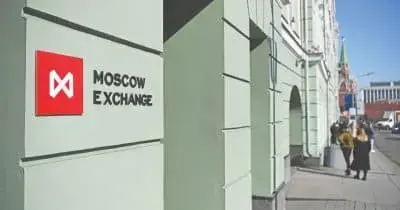
Moscow Exchange, Russia’s leading trading platform, is considering 24/7 crypto trading to draw domestic investors back from overseas platforms. The move, reported by RBC Investments, marks a strategic push into digital assets amid tightening regulations and growing competition abroad.
Breaking news
 Bitcoin Drops Below $82,000 After Hot US Inflation Data
 Kraken Parent Payward Acquires Saldo Bank for European Expansion
 UK Trader Sues BitMEX Over 1,053 Losing Trades in £20 Million Claim
 EU Banking Regulator Seizes Direct Control of USDC Oversight
The initiative aims to keep Russian traders within the national financial system by offering continuous access to cryptocurrencies. Currently, many Russians use foreign exchanges that operate around the clock, bypassing local restrictions and oversight. MOEX’s proposed model would align with global trading hours, making it easier for users to buy and sell digital assets without leaving regulated domestic infrastructure. Officials believe this could reduce capital outflows and strengthen control over crypto transactions.
By adopting 24/7 operations, MOEX would mirror major international exchanges like Binance and Coinbase. This shift addresses a key disadvantage: local platforms typically follow standard market hours, limiting access during high-volatility periods. With crypto markets active worldwide at all times, Russian traders have increasingly turned abroad for real-time execution. MOEX’s plan could close that gap, offering seamless trading while complying with national rules on digital assets.
Can Domestic Crypto Trading Compete Globally?
Industry insiders note that infrastructure upgrades and regulatory coordination will be critical. „Technical readiness is one thing, but legal clarity on crypto ownership and taxation is just as important,” said a brokerage executive familiar with the discussions. While Russia has legalized crypto holdings, trading rules remain restrictive. MOEX’s entry could prompt lawmakers to refine the framework, especially if the exchange partners with regulated financial institutions.
The success of MOEX’s plan hinges on trust, speed, and flexibility. Foreign platforms dominate due to ease of use, wide coin selection, and liquidity. To compete, MOEX may need to expand beyond Bitcoin and Ethereum—currently the only cryptos permitted for trading in Russia—and improve user experience. Analysts say integration with Russia’s financial messaging systems, like the SPFS, could also boost security and reduce reliance on Western networks.
Still, challenges remain. Regulatory uncertainty, limited coin availability, and skepticism about state oversight may deter some users. Yet if MOEX delivers reliable, always-on trading within a compliant environment, it could capture a significant share of domestic activity now flowing overseas.
Frequently Asked Questions
What is Moscow Exchange planning for crypto trading? MOEX aims to launch 24/7 trading for digital assets to match global platforms. The goal is to keep Russian investors using domestic services instead of foreign exchanges.
Why do Russian traders use foreign crypto platforms? Local exchanges have limited hours and approved assets. Foreign platforms offer continuous trading and more cryptocurrencies, making them more attractive despite regulatory risks.
Is cryptocurrency legal in Russia? Yes, owning crypto is legal, but using it as payment is banned. Trading is allowed only on licensed platforms and restricted to certain digital assets like Bitcoin and Ethereum.