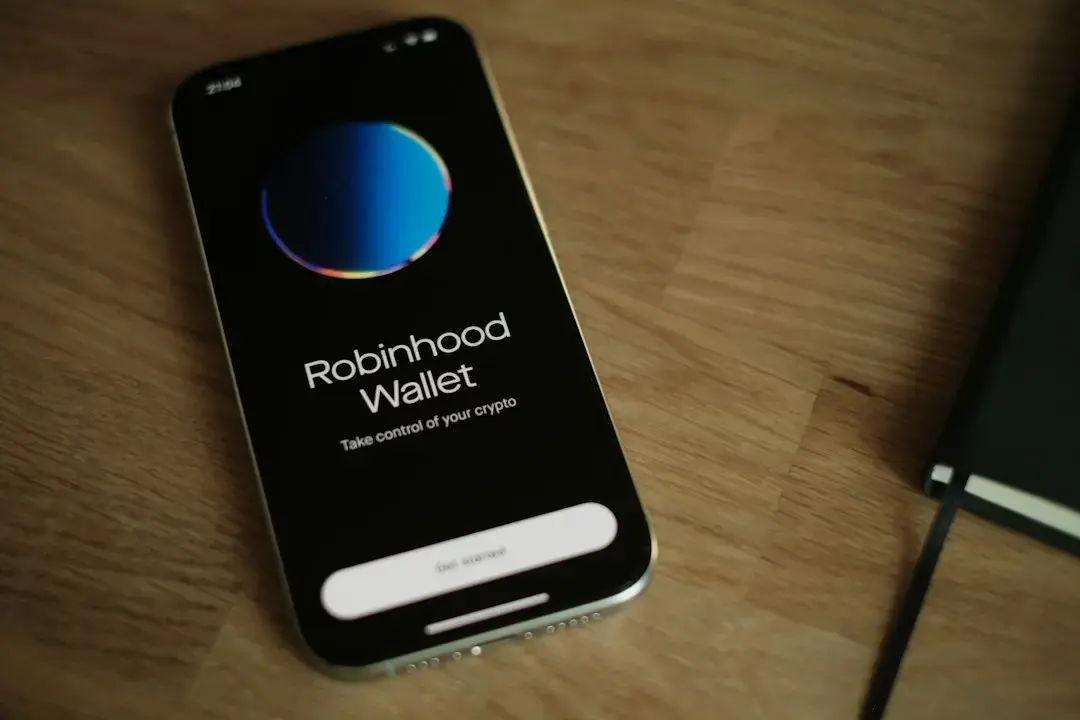
Continuous Trading Redefines Market Access
In September 2026, the head of Robinhood announced that tokenized assets are officially entering the US market. This declaration followed a landmark decision by the Securities and Exchange Commission. The regulator approved new rules allowing blockchain-based stock trading to operate continuously. The move marks a significant shift in how American investors access equity markets. It signals the end of traditional trading hours for digital assets.
Breaking news
 Bitcoin Drops Below $82,000 After Hot US Inflation Data
 Kraken Parent Payward Acquires Saldo Bank for European Expansion
 UK Trader Sues BitMEX Over 1,053 Losing Trades in £20 Million Claim
 EU Banking Regulator Seizes Direct Control of USDC Oversight
The SEC’s ruling permits 24/7 trading on distributed ledger technology. Previously, US stock markets operated only during specific business hours. Now, investors can buy and sell tokenized shares at any time. This change aligns US regulations with global trends in digital finance. The approval removes key barriers that kept tokenization largely offshore. It allows major brokerages to integrate crypto infrastructure into traditional securities.
The primary benefit of this ruling is uninterrupted market access. Traditional exchanges close for nights, weekends, and holidays. Tokenized stocks eliminate these gaps entirely. Investors in different time zones can trade without waiting for the US market to open. This feature appeals particularly to international clients. It also reduces latency issues common in cross-border transactions. The system relies on smart contracts to execute trades automatically. These contracts ensure settlement occurs instantly rather than over days. This speed enhances liquidity and reduces counterparty risk.
Does This Change Retail Investor Strategy?
Retail investors stand to gain the most flexibility from this update. They can react to global news events immediately. No longer must they wait until morning to adjust portfolios. This immediacy may increase overall market participation. However, it also introduces complexity for casual traders. Constant market activity requires constant monitoring. Some experts warn that fatigue could lead to impulsive decisions. Others argue that automation tools will mitigate these risks. The key question remains whether retail users understand the underlying technology. Education will be crucial for widespread adoption.
Robinhood’s leadership views this as a long-overdue correction. The company has pushed for regulatory clarity for years. The CEO stated that tokenization represents the future of ownership. It transforms shares into digital tokens on a blockchain. This format allows for fractional ownership and easier transfer. Institutional investors have already shown interest in these models. The SEC’s action validates their approach. It provides a legal framework for compliance. Firms can now build products with confidence. The ruling sets a precedent for other asset classes. Bonds and commodities may follow suit soon.
The financial sector faces a period of rapid adaptation. Banks and brokers must upgrade their systems. They need to support continuous trading infrastructure. Cybersecurity measures must be strengthened to protect data. Clearinghouses will need to process higher transaction volumes. The outlook suggests a fragmented market structure. Different platforms may offer varying levels of service. Competition will drive innovation in user experience. Ultimately, this shift democratizes access to global markets. It bridges the gap between crypto and traditional finance. The era of closed trading hours is ending.
Frequently Asked Questions
When does 24/7 trading start? The exact launch date depends on individual platform implementation. Most major firms aim for late 2026. Investors should check their brokerage for specific timelines.
Are all stocks available as tokens? Initially, high-volume large-cap stocks will likely be prioritized. Smaller companies may follow later. Liquidity requirements determine which assets get tokenized first.
Is this safe for beginners? The regulatory oversight increases safety compared to private crypto exchanges. However, users still need to understand digital wallet management. Basic knowledge of blockchain security is recommended.
