Why Crypto Assets Were Excluded Before
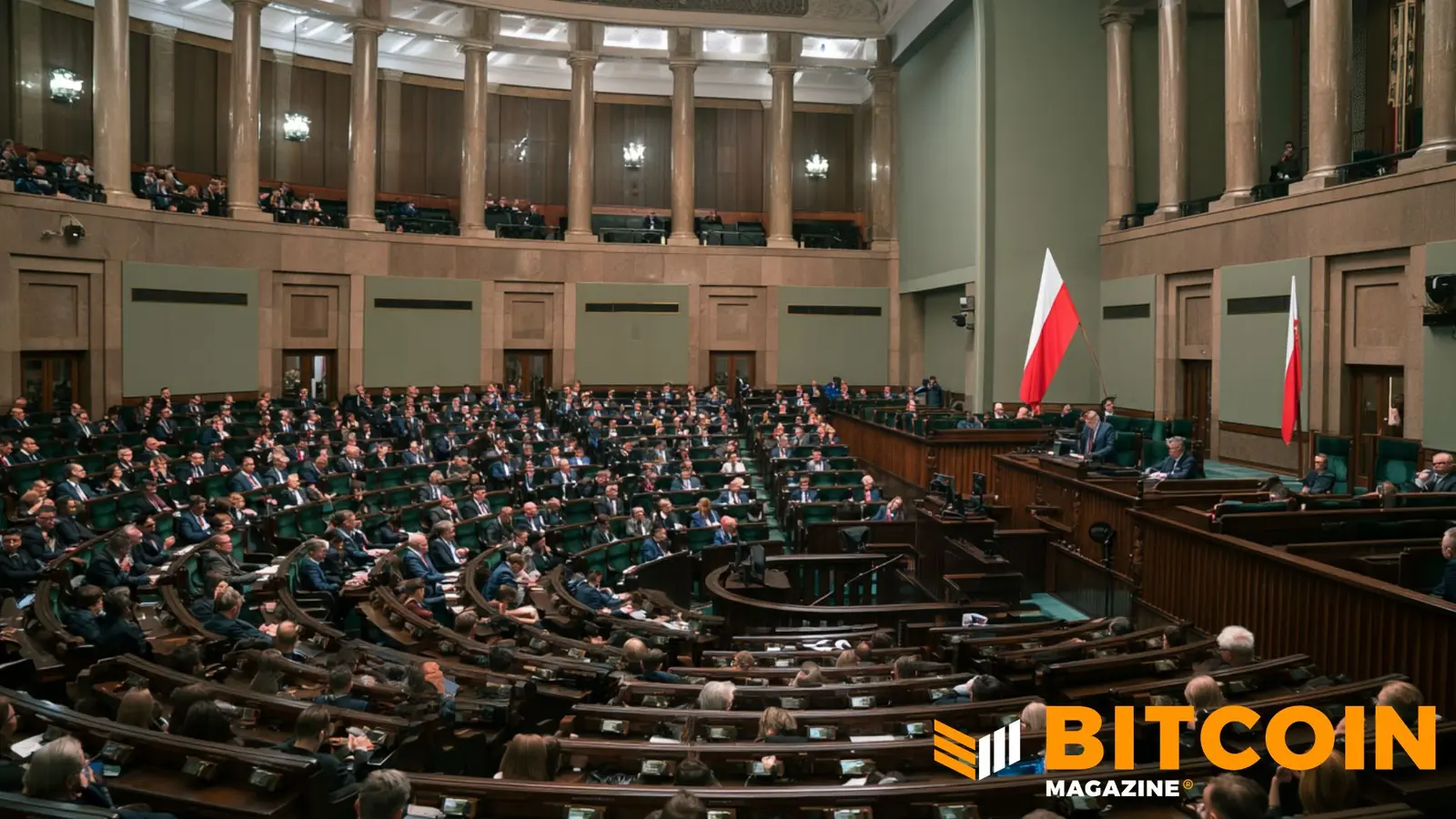
The Polish lower house, the Sejm, voted 240 to 202 on Friday to authorize the interior minister to freeze crypto assets, bank accounts, and other property of individuals listed on a national sanctions register. The Act on Restrictive Measures was approved during the chamber’s 68th sitting, with one member abstaining.
Breaking news
 Injective Seeks SEC Approval for Onchain Trading of Tokenized Stocks
 Bitcoin Hits $61,000 as Short Sellers Face $117 Million in Liquidations
 Bitcoin’s Dormant Supply Hits 68.5% as Price Stalls Near $60,000
 Bitcoin ETFs Bleed $3.05B in Seven Days as November Outflows Hit $5.39B
This legislative move closes a critical gap in Poland’s financial enforcement toolkit. Previously, officials had to wait for court approval before seizing digital assets, a process that allowed suspects to move funds across borders. The new law permits immediate administrative action, giving the interior minister direct authority to lock accounts before judicial review.
Under the prior framework, restrictive measures applied to traditional financial instruments but did not explicitly cover digital currencies. Criminals exploited this loophole by converting stolen funds into stablecoins or moving them to non-custodial wallets. The new statute explicitly includes crypto assets in the freeze mandate, aligning Poland with EU directives on asset recovery.
What Does This Mean for Crypto Holders in Poland
The vote reflects growing pressure from law enforcement agencies that have struggled to track illicit crypto flows. With one abstention, the bill passed with a comfortable majority, signaling broad parliamentary support for stronger enforcement powers.
The law grants the interior minister the power to issue freeze orders without prior court sign-off. Affected individuals retain the right to challenge the order in court after the fact, but the assets remain locked during the review period. This shift mirrors similar frameworks in France and Germany, where administrative freezes precede judicial confirmation.
Critics warn that pre-trial freezes could be used against innocent holders if the sanctions list is expanded. Proponents argue the measure targets organized crime, money laundering, and terrorism financing. The Act takes effect after publication in the official gazette, with implementing regulations expected within 90 days.
Frequently Asked Questions
Can the interior minister freeze crypto without a court order? Yes. The new law authorizes the minister to issue freeze orders administratively, with judicial review available afterward.
Does this law apply to all crypto assets? The statute covers digital currencies, stablecoins, and non-custodial wallet holdings of sanctioned individuals.
When does the Act take effect? The law becomes active after publication in Poland’s official gazette, with implementing regulations due within 90 days.
