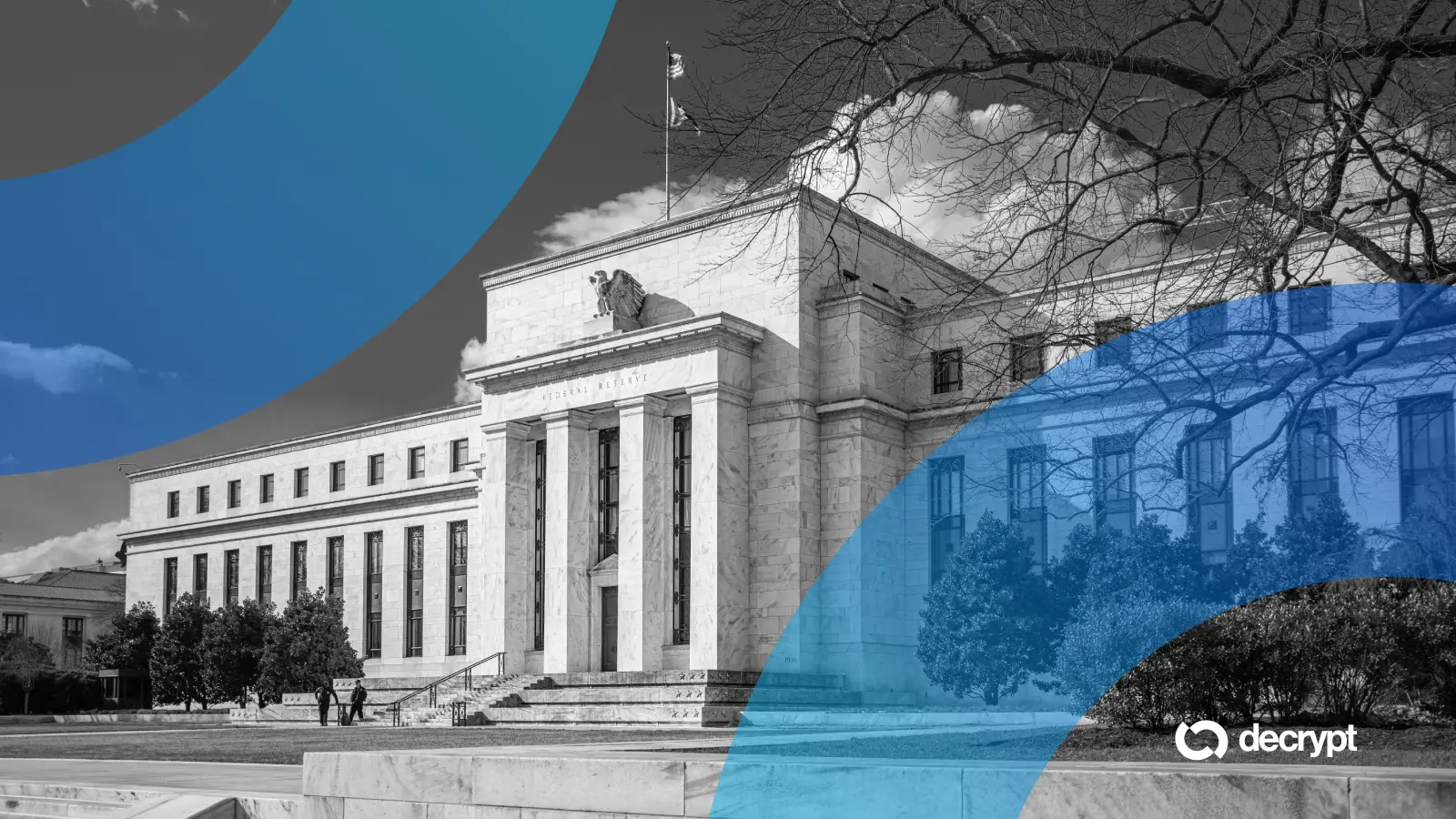
Waller's Case for Bigger Move
Federal Reserve Governor Christopher Waller argued that a 50-basis-point interest rate increase in December may be necessary unless the central bank clearly signals another move in January. Three consecutive monthly core CPI readings of 0.3% have intensified concerns about persistent inflation.
Breaking news
 Injective Seeks SEC Approval for Onchain Trading of Tokenized Stocks
 Bitcoin Hits $61,000 as Short Sellers Face $117 Million in Liquidations
 Bitcoin’s Dormant Supply Hits 68.5% as Price Stalls Near $60,000
 Bitcoin ETFs Bleed $3.05B in Seven Days as November Outflows Hit $5.39B
Markets still overwhelmingly expect a smaller December hike, but Waller's comments signal a more hawkish stance within the Fed. His remarks came as policymakers weigh the balance between cooling prices and avoiding unnecessary economic pain.
Will the Fed Split on December's Move?
Waller emphasized that inflation remains too high and too persistent to justify a gradual approach. He noted that without a stronger signal, expectations could become unanchored, complicating future policy. The governor stressed that the Fed must act decisively to restore price stability.
The December meeting will likely reveal whether Waller's view carries weight among other policymakers. A 50-basis-point hike would be the largest single move in recent years, signaling urgency. Market pricing currently favors a 25-basis-point increase, making Waller's call a notable outlier.
The outcome will shape the path for 2024 rates. If the Fed delivers a larger hike, borrowing costs will rise faster, pressuring mortgages, auto loans, and corporate debt. A split vote would highlight internal disagreement, potentially reducing the Fed's credibility with markets.
Frequently Asked Questions
Why does Waller want a 50-basis-point hike? Waller believes three straight months of 0.3% core CPI indicate inflation is not yet under control. He argues a bigger move is needed to anchor expectations.
How does this affect borrowers? A 50-basis-point hike would raise mortgage and loan rates more sharply than a standard 25-basis-point increase. Borrowers should expect higher monthly payments if the Fed follows Waller's recommendation.
