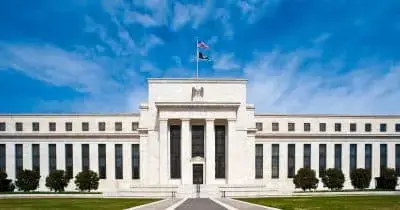
A Boost for Private Innovation?
The US House of Representatives has passed a bill blocking the Federal Reserve from issuing a digital dollar until 2030. The legislation was part of the 21st Century ROAD to Housing Act. It cleared the Senate with an 85-5 vote. The ban is now law.
Breaking news
 Bitcoin Drops Below $82,000 After Hot US Inflation Data
 Kraken Parent Payward Acquires Saldo Bank for European Expansion
 UK Trader Sues BitMEX Over 1,053 Losing Trades in £20 Million Claim
 EU Banking Regulator Seizes Direct Control of USDC Oversight
The move effectively shelves the Federal Reserve's plans for a central bank digital currency (CBDC). However, it carves out exceptions for private stablecoins. This means that while the Fed is restricted, other entities can still develop and issue their own digital currencies.
Will the Ban Stifle Progress?
The ban on CBDC development may have a significant impact on the digital currency landscape. By restricting the Fed's ability to issue a digital dollar, the legislation may boost innovation in the private sector. Private companies may be more likely to invest in developing their own digital currencies.
The decision to block the Fed's CBDC plans has been met with mixed reactions. Some argue that it will hinder the US's ability to compete in the global digital currency market. Others see it as a necessary measure to protect consumers and prevent the Fed from overstepping its authority.
The ban on CBDC development until 2030 raises questions about the potential consequences for the US economy. Will it hinder the country's ability to adapt to changing financial landscapes? Or will it provide a much-needed check on the Fed's power?
Frequently Asked Questions
The outcome of this legislation will likely be felt in the coming years. As the digital currency market continues to evolve, the US will need to balance innovation with regulation.
What is the main effect of the ban on the Federal Reserve? The ban blocks the Fed from issuing a digital dollar until 2030, while allowing private stablecoins. How might this legislation impact private digital currency innovation? It may boost private innovation by giving companies more room to develop their own digital currencies. What are the potential consequences of this ban for the US economy? The ban may hinder the US's ability to compete in the global digital currency market or provide a necessary check on the Fed's power.