
Balancing Innovation with Investor Safeguards
The Australian Securities and Investments Commission (ASIC) has opened a public consultation on proposed regulations for cryptocurrency exchanges and service providers. The call for feedback runs until December 31, 2026, and targets operators planning to launch or expand services before the government’s target date of January 2027. The move follows the passage of the Digital Asset Act in April, which introduced a comprehensive legal framework for digital assets across the country.
Breaking news
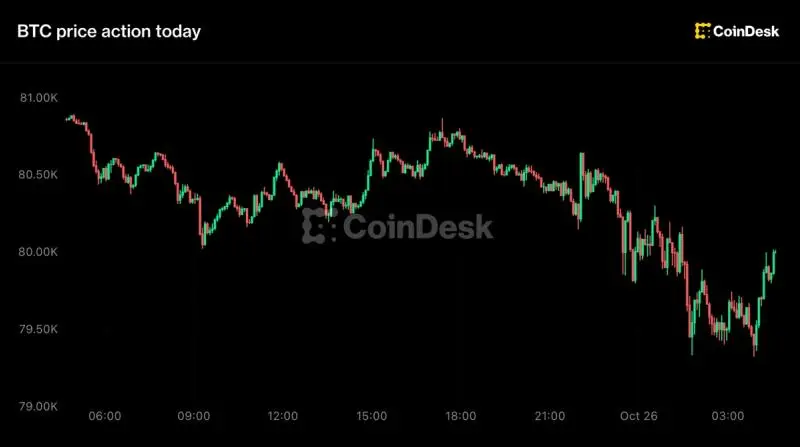 Bitcoin drops below $80,000 as traders de-risk ahead of Fed meeting
 PancakeSwap Sets Hard Deadline for opBNB CAKE Holders to Bridge Out
 BloomTrading Bot Users Lose $1M in Wallet Drain
 CoinDCX Absorbs $16 Million Loss After Internal Wallet Failure
ASIC aims to refine the draft rules that will govern licensing, consumer protection, and anti‑money‑laundering obligations for crypto platforms. The regulator says the guidelines will require firms to obtain a specific licence, implement robust KYC procedures, and maintain transparent pricing and dispute‑resolution mechanisms. The consultation seeks industry views on the practicality of these requirements, the potential impact on innovation, and the capacity of smaller firms to meet compliance costs.
Industry groups have welcomed the opportunity to shape the rules but warn that overly stringent standards could stifle growth. The Australian FinTech Association argued that a tiered licensing model would allow startups to compete with larger exchanges while still protecting users. „We need a framework that recognises the unique risks of crypto without choking the sector’s dynamism,” said its spokesperson, Maya Patel.
Will the New Rules Delay Market Entry?
ASIC officials responded that the regulator is prepared to consider flexible approaches, such as phased compliance timelines and reduced fees for early‑stage companies. Data from the Australian Bureau of Statistics shows that crypto‑related businesses contributed roughly AU$1.2 billion to the economy in 2025, a figure that could double if the sector expands under clear rules.
Critics question whether the regulatory timeline will push prospective operators to launch overseas, where rules may be less demanding. A senior analyst at Global Crypto Insights warned that „if Australian firms face a lengthy approval process, they may look to jurisdictions like Singapore or Malta, which already have mature crypto regimes.”
ASIC counters that the consultation includes provisions for expedited review of applications that demonstrate strong compliance frameworks. The regulator also plans to publish a detailed compliance handbook by mid‑2027, offering step‑by‑step guidance to reduce uncertainty.
The outcome of the consultation will shape the landscape of Australia’s digital asset market for years to come. If the final rules strike the right balance, they could attract foreign investment, boost consumer confidence, and position Australia as a regional hub for responsible crypto innovation. Conversely, missteps may drive capital away and undermine the goals of the Digital Asset Act. Stakeholders are urged to submit their comments promptly to influence the final regulatory design.
Frequently Asked Questions
What is the deadline for submitting feedback on the proposed crypto rules? Responses must be lodged with ASIC by 23:59 AEST on 31 December 2026, after which the regulator will review all submissions before finalising the legislation.
Will small crypto startups need to obtain the same licence as large exchanges? ASIC is considering a tiered licensing structure that would allow smaller firms to operate under a lighter regime, provided they meet core consumer‑protection and AML standards.
How will the new rules affect Australian investors? The regulations aim to increase transparency and security for users, reducing the risk of fraud and improving dispute‑resolution options, while still permitting access to a broad range of digital assets.