How Has the GENIUS Act Reshaped Stablecoins?
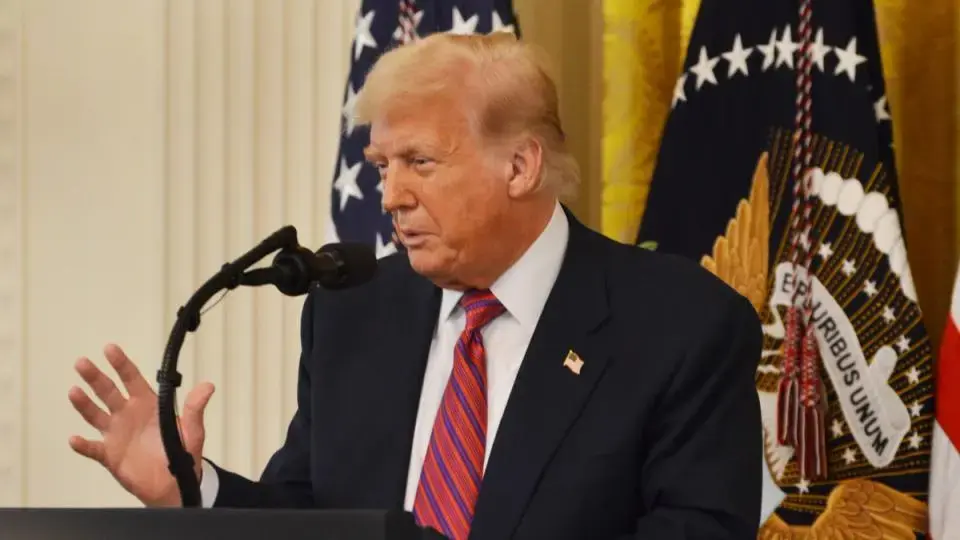
One year ago, the GENIUS Act officially became law. This landmark legislation, primarily focused on stablecoins, was signed by President Donald Trump at the White House in July 2025. Its passage marked a significant moment for the cryptocurrency industry.
Breaking news
 Bitcoin Drops Below $82,000 After Hot US Inflation Data
 Kraken Parent Payward Acquires Saldo Bank for European Expansion
 UK Trader Sues BitMEX Over 1,053 Losing Trades in £20 Million Claim
 EU Banking Regulator Seizes Direct Control of USDC Oversight
The act aimed to provide a clear regulatory framework for stablecoins. This was a response to growing concerns about their stability and potential impact on financial markets. The law sought to bring greater oversight and consumer protection to this rapidly evolving sector.
The GENIUS Act introduced specific requirements for stablecoin issuers. These included mandates for reserves and regular audits. The goal was to ensure that stablecoins were truly backed by assets and transparently managed. Many industry players have since adapted their operations to comply with these new rules. This has led to increased institutional confidence in stablecoin products.
What Are the Broader Implications for Digital Assets?
However, some smaller stablecoin projects faced challenges. The compliance burden proved too heavy for certain entities. This consolidation has seen larger, more established firms gain market share. The act has undeniably brought more structure to the stablecoin market.
The GENIUS Act set a precedent for future cryptocurrency regulation. It signaled a willingness from lawmakers to engage with digital assets. This initial step could pave the way for broader regulatory actions. Other areas of crypto, such as decentralized finance (DeFi) and non-fungible tokens (NFTs), may soon face similar scrutiny.
The industry is now watching closely for the next legislative moves. The act's success or failure will likely influence future policy decisions. Its anniversary prompts a reflection on crypto's evolving relationship with government oversight.
Frequently Asked Questions
What was the primary goal of the GENIUS Act? The GENIUS Act's main objective was to regulate stablecoins. It aimed to ensure their stability and protect consumers through specific reserve and audit requirements for issuers.
Who signed the GENIUS Act into law? President Donald Trump signed the GENIUS Act into law. This event took place at the White House in July 2025.
How has the act affected stablecoin issuers? The act has imposed stricter compliance demands on stablecoin issuers. This has led to increased transparency and likely contributed to market consolidation among larger, more compliant firms.