The Interest-Earning Engine
Tether, the company behind the widely-used stablecoin USDT, generates revenue primarily through interest earned on reserve assets. The company has amassed a significant fortune since its inception. USDT is the world's largest stablecoin by market capitalization.
Breaking news
 Bitcoin Drops Below $82,000 After Hot US Inflation Data
 Kraken Parent Payward Acquires Saldo Bank for European Expansion
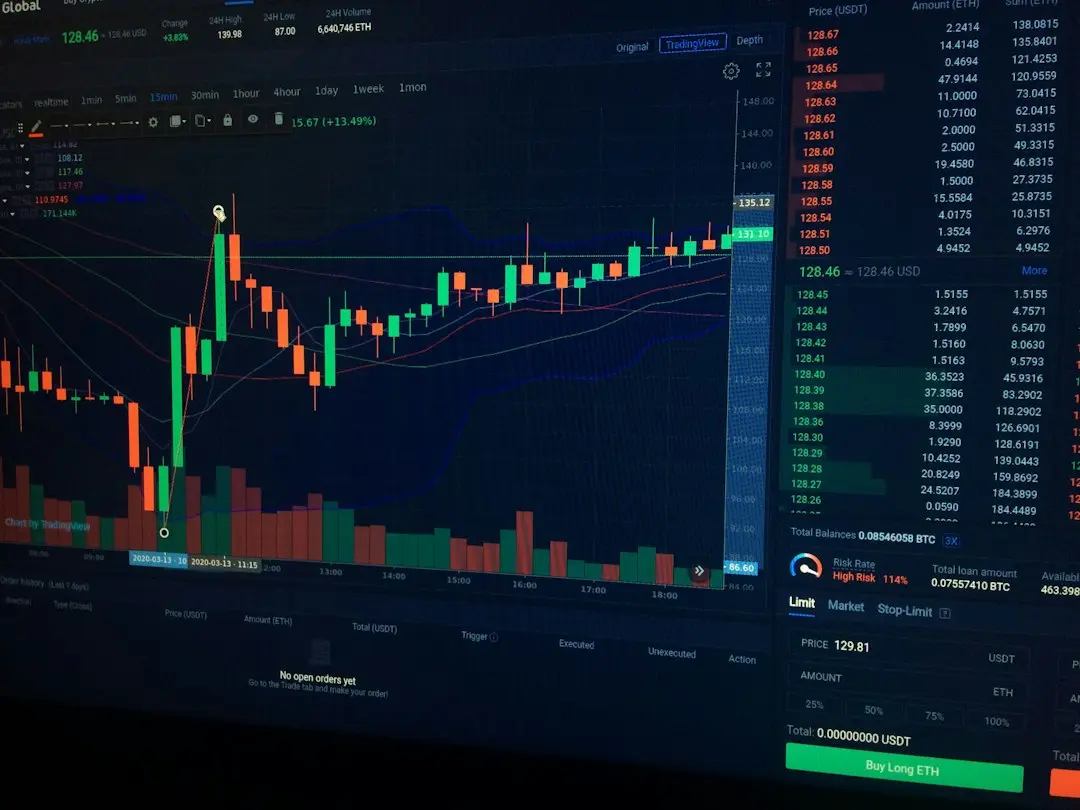 UK Trader Sues BitMEX Over 1,053 Losing Trades in £20 Million Claim
 EU Banking Regulator Seizes Direct Control of USDC Oversight
Tether's business model is straightforward: it issues USDT tokens backed by a reserve of assets, such as US dollars, bonds, and other investments. The company claims that for every USDT in circulation, there is an equivalent amount of assets held in reserve.
Can Tether's Model Be Sustained?
Tether earns interest on these reserve assets, which can include commercial paper, bonds, and other investments. The company has not always been transparent about the composition of its reserves, but it has gradually become more open in recent years. As the USDT supply has grown, so has Tether's interest income.
The company's reserves have expanded significantly, with Tether holding over $80 billion in assets. This has enabled Tether to generate substantial interest income, particularly in a rising interest rate environment.
As the cryptocurrency market continues to evolve, questions remain about the long-term sustainability of Tether's business model. Critics argue that the company's lack of transparency and regulatory scrutiny pose significant risks.
Frequently Asked Questions
The consequences of Tether's business model are far-reaching, with implications for the broader cryptocurrency market. As USDT remains a crucial component of the crypto ecosystem, Tether's financial health will continue to be closely watched.
How does Tether generate revenue? Tether earns interest on the reserve assets that back USDT, such as US dollars, bonds, and other investments. What backs the USDT stablecoin? USDT is backed by a reserve of assets, including US dollars, commercial paper, and bonds. Is Tether's business model sustainable? The long-term sustainability of Tether's business model is uncertain due to concerns over transparency and regulatory scrutiny.