Stress Testing the Digital Asset Sector
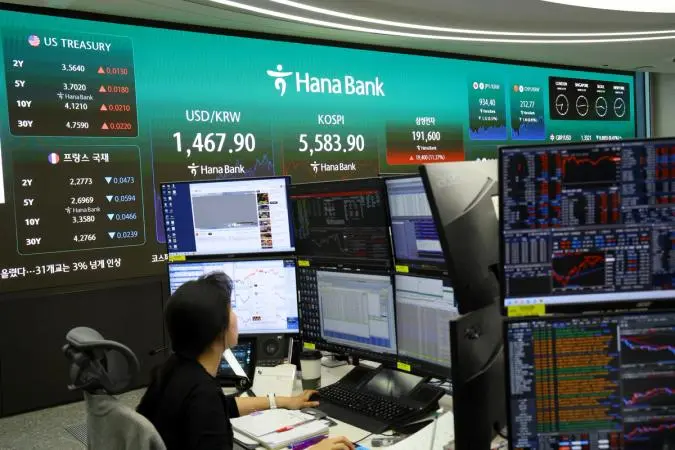
The Bank of Korea has launched its first-ever stress survey targeting the nation’s largest financial institutions. The central bank asked 18 banks and 13 brokerages to model their resilience against a severe crypto exchange failure. The inquiry also covered potential losses from a broad crypto price crash.
Breaking news
 Bitcoin Slides Below $76,000 as $250 Million in Leveraged Positions Wiped Out
 Bitcoin Dips Below $76K Then Bounces as Democrats Take House
 Bitcoin Slides as Democrats Win Senate, Threatening Trump's Crypto Agenda
 Coinbase Adds CARDS to Listing Roadmap, Token Rises 4%
The Bank of Korea designed the survey to measure how a major hack at the leading crypto exchange would ripple through the banking system. Respondents were required to assess their own crypto teams, budgets, and investment levels. The central bank also requested data on losses at other firms during a market downturn. This approach marks a shift toward treating digital assets as a core part of financial stability monitoring.
What Does This Mean for Investors?
The survey signals that regulators now view crypto as a systemic risk. Banks and brokerages must document their exposure and recovery plans. Investors should expect tighter oversight and possibly new capital requirements. The central bank will likely publish aggregate results to guide future policy decisions.
Why is the Bank of Korea running this survey? The central bank wants to gauge how a major crypto hack or price crash would affect South Korea’s banking sector. It is the first time regulators have formally stress-tested institutions against digital asset risks.
Frequently Asked Questions
Which institutions were surveyed? The Bank of Korea contacted 18 banks and 13 brokerages. These firms were asked to report on their crypto teams, budgets, and potential losses during a market shock.
What happens after the survey? The central bank will analyze the responses to identify vulnerabilities. The findings may lead to new regulations or capital buffers for firms with significant crypto exposure.