Robinhood's Strategic Independence
For a year, Robinhood relied heavily on Kalshi to distribute its trading products. This arrangement saw Kalshi serving as Robinhood's primary distributor. However, Robinhood has now changed its approach significantly. The company recently acquired a new exchange.
Breaking news
 Bitcoin Drops Below $82,000 After Hot US Inflation Data
 Kraken Parent Payward Acquires Saldo Bank for European Expansion
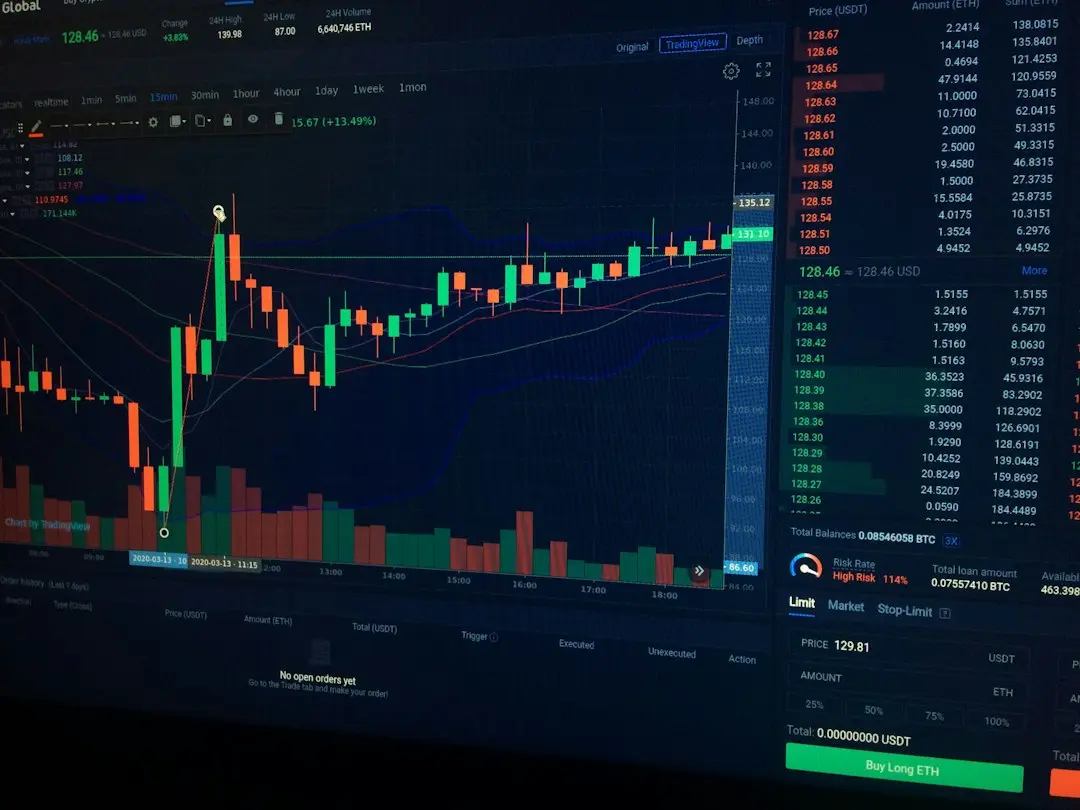 UK Trader Sues BitMEX Over 1,053 Losing Trades in £20 Million Claim
 EU Banking Regulator Seizes Direct Control of USDC Oversight
This new exchange holds a license from the Commodity Futures Trading Commission (CFTC). This acquisition allows Robinhood to handle its own order flow. The shift means Robinhood is now directing its trading volume internally.
What Does This Mean for Kalshi?
Robinhood's move marks a significant step towards greater independence. The company previously depended on external partners for crucial services. Now, it controls more of its trading infrastructure. This vertical integration could offer several benefits.
The World Cup served as an important test for this new system. This major event allowed Robinhood to trial its new setup. The successful operation during this period confirmed the viability of the new strategy. The full transition is now actively in progress.
# Why did Robinhood acquire a CFTC-licensed exchange?
The immediate impact on Kalshi is clear. Robinhood was Kalshi’s largest distributor for a year. This relationship has now effectively ended. Kalshi will need to find new avenues for distribution.
The lesson learned from this situation is important for the industry. Companies often rely on partners for growth. However, those partnerships can change quickly. Businesses must adapt to evolving market dynamics.
# How did the World Cup relate to this change?
Robinhood acquired the exchange to gain more control over its trading operations. This allows the company to route its own order flow. It also reduces reliance on third-party distributors.
The World Cup served as a testing ground for Robinhood's new internal trading system. The company used the event to prove the effectiveness and stability of its recently acquired exchange.