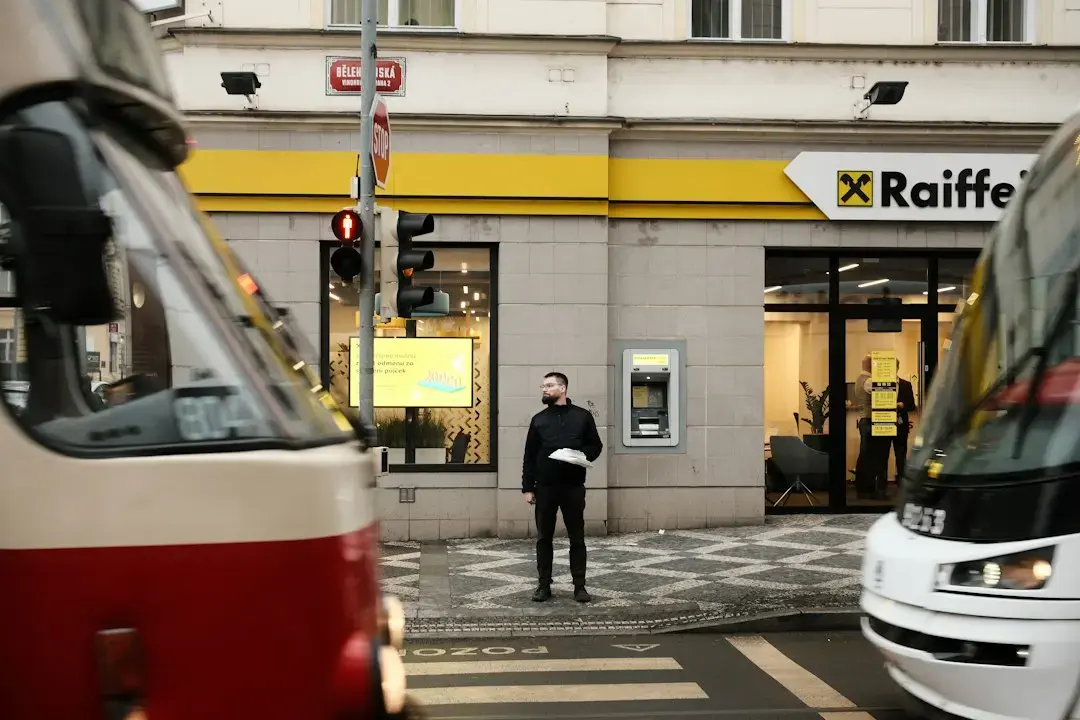
Bridging Legacy Finance and Digital Assets
A major Austrian financial institution has opened its doors to digital assets, allowing its vast customer base to enter the cryptocurrency market. The move signals a significant shift in traditional banking strategy across Europe. This development affects approximately eighteen million individuals who hold accounts with the bank. The initiative was announced through a partnership with a leading digital investment platform. It marks a historic moment for the ninety-nine-year-old organization.
Breaking news
 Bitcoin Drops Below $82,000 After Hot US Inflation Data
 Kraken Parent Payward Acquires Saldo Bank for European Expansion
 UK Trader Sues BitMEX Over 1,053 Losing Trades in £20 Million Claim
 EU Banking Regulator Seizes Direct Control of USDC Oversight
The collaboration enables clients to buy, sell, and hold digital currencies directly within their existing banking relationships. This integration removes previous barriers that often separated traditional finance from the crypto sector. Customers no longer need separate wallets or specialized exchanges to participate. The bank leverages its established trust and infrastructure to facilitate these transactions. This approach aims to simplify the user experience for non-technical investors. By embedding crypto services into standard banking apps, the institution lowers the entry threshold significantly.
The decision reflects a broader trend among European banks to embrace blockchain technology. Regulators have been gradually clearing the path for institutional involvement in digital assets. This specific partnership provides a compliant framework for retail investors. It addresses common concerns regarding security and asset custody. The bank utilizes its robust risk management systems to oversee these new products. This ensures that customer funds are handled according to strict financial standards. The model demonstrates how legacy institutions can adapt without abandoning their core identity. It offers a safe harbor for those hesitant about standalone crypto platforms.
What Does This Mean for Retail Investors?
The timing of this launch coincides with increased mainstream adoption of digital currencies. Market volatility remains a factor, yet institutional interest continues to grow. The bank’s massive asset base, valued at two hundred twenty-eight billion dollars, provides substantial backing. This stability reassures conservative investors entering the space. The service likely includes a range of popular cryptocurrencies beyond Bitcoin. It may also feature exchange-traded funds linked to digital assets. These options cater to diverse investment strategies and risk appetites.
For the average customer, this change offers convenience and accessibility. Users can manage their entire portfolio, including stocks and crypto, in one place. This consolidation simplifies tax reporting and asset tracking. The bank’s physical presence also provides a familiar support network. Clients can seek advice from human advisors rather than relying solely on algorithms. This hybrid model appeals to older demographics who prefer traditional banking interfaces. It bridges the generational gap in financial literacy regarding digital assets.
Looking ahead, other large European banks may follow suit. Competitive pressure will likely accelerate similar partnerships across the continent. The success of this pilot program could define future industry standards. If adoption rates remain high, expect further expansion of product offerings. The integration of stablecoins for payments might be next. For now, this milestone represents a clear signal of acceptance. Traditional finance is no longer viewing crypto as an outsider. It is becoming a standard component of modern wealth management.
Frequently Asked Questions
Who can access these new crypto services? All eligible customers of the bank can participate in the program. The service is designed for retail investors with existing accounts. No special application process is required to start trading.
How does the bank secure customer assets? The institution uses regulated custody solutions to protect holdings. Digital assets are stored in secure, insured facilities. This mitigates the risks associated with self-custody wallets.
Which cryptocurrencies are available initially? The platform supports major digital assets like Bitcoin and Ethereum. Additional tokens may be added based on regulatory approval and demand. The list will likely expand over time.
