
Defense Spending: A Currency Conundrum
NATO leaders are gathering in Ankara on July 7-8 for a crucial summit. The alliance is expected to announce billions of dollars in new arms contracts. Member countries are being urged to increase defense spending to 5% of their GDP.
Breaking news
 Bitcoin Drops Below $82,000 After Hot US Inflation Data
 Kraken Parent Payward Acquires Saldo Bank for European Expansion
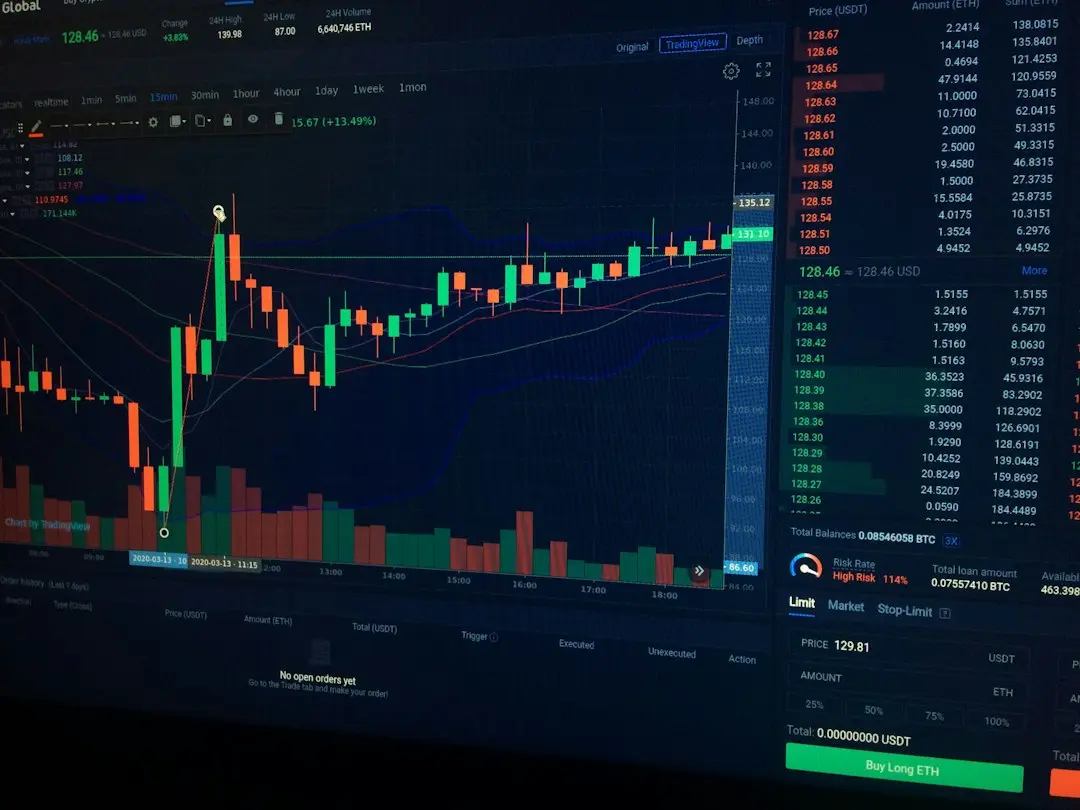 UK Trader Sues BitMEX Over 1,053 Losing Trades in £20 Million Claim
 EU Banking Regulator Seizes Direct Control of USDC Oversight
The push for increased defense spending is likely to have far-reaching consequences. It could reshape capital flows, impact currency markets, and alter the macroeconomic landscape that crypto traders closely watch. As countries ramp up their defense budgets, they may need to issue more debt, potentially leading to higher bond yields.
Higher bond yields can strengthen a country's currency, but it can also make it more expensive to borrow, potentially slowing economic growth. The impact on currency values will depend on various factors, including the size of the defense spending increase and how it is financed.
Will Higher Defense Spending Trigger a Market Shift?
The alliance's defense spending targets are likely to benefit defense stocks, but the ripple effects will be felt beyond the industry. As governments allocate more resources to defense, they may need to reallocate funds from other areas, potentially impacting other sectors.
The outcome of the NATO summit will be closely watched by investors and economists. If the alliance's defense spending targets are met, it could lead to a significant shift in capital flows and currency markets. The increased demand for defense equipment and supplies is likely to drive up production and potentially lead to higher inflation.
The consequences of the NATO summit will be far-reaching, with potential implications for currency markets, capital flows, and the broader economy. As the alliance's defense spending targets take shape, investors and economists will be watching closely to see how the changes unfold.
Frequently Asked Questions
What is the NATO summit's main objective? The main objective is to increase defense spending among member countries to 5% of their GDP.
How will increased defense spending affect currency markets? It may lead to higher bond yields, potentially strengthening a country's currency but also making it more expensive to borrow.
What are the potential consequences of the NATO summit's defense spending targets? The targets could lead to a significant shift in capital flows, currency markets, and the broader economy, potentially impacting various sectors and driving up inflation.