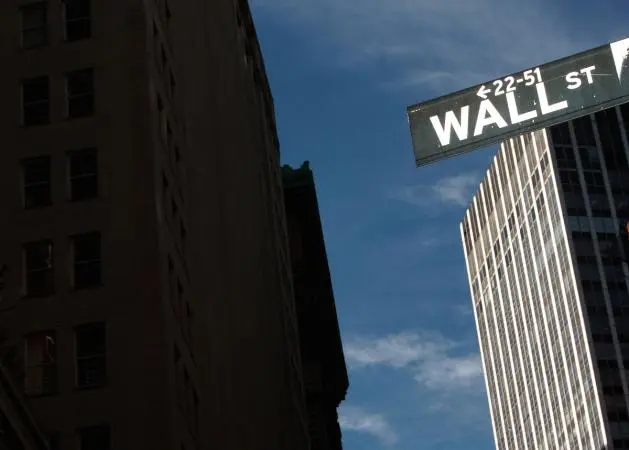
How Banks Are Testing Tokenization in Practice
Major Wall Street banks are actively pursuing tokenization as a strategic growth initiative rather than viewing it as a disruptive threat, according to recent statements from Goldman Sachs, Wells Fargo, and Morgan Stanley. These institutions see potential in using blockchain-based digital tokens to enhance trading capabilities, accelerate payment settlements, and expand advisory services. The shift reflects a broader industry move to integrate emerging financial technologies into core operations while managing associated risks.
Breaking news
 Injective Seeks SEC Approval for Onchain Trading of Tokenized Stocks
 Bitcoin Hits $61,000 as Short Sellers Face $117 Million in Liquidations
 Bitcoin’s Dormant Supply Hits 68.5% as Price Stalls Near $60,000
 Bitcoin ETFs Bleed $3.05B in Seven Days as November Outflows Hit $5.39B
Tokenization allows traditional assets like stocks, bonds, and real estate to be represented as digital tokens on a blockchain, enabling faster, more transparent transactions. Goldman Sachs has indicated it views tokenization primarily as a tool to broaden its trading business, particularly in fixed income and equity markets. Wells Fargo has confirmed it is experimenting with tokenized versions of certain financial products to improve efficiency in cross-border payments and reduce settlement times. Morgan Stanley, meanwhile, is exploring how tokenization could support its wealth management advisory services by offering clients new investment avenues.
Goldman Sachs has been running pilot programs involving tokenized money market funds and exploring the use of distributed ledger technology for repo transactions. Wells Fargo has partnered with fintech firms to test tokenized payment channels that could cut processing delays from days to near real-time. Morgan Stanley has focused on client education and infrastructure readiness, assessing how tokenized assets might fit into existing portfolio management frameworks. All three banks emphasize that compliance, cybersecurity, and regulatory alignment remain top priorities as they scale these experiments.
What Risks Do Banks See in Tokenization Adoption?
Despite their optimism, the banks acknowledge challenges including regulatory uncertainty, interoperability between different blockchain systems, and the need for industry-wide standards. They also note that widespread adoption will depend on clear guidance from regulators like the SEC and the Federal Reserve. Internal risk assessments are ongoing, particularly around custody solutions for digital assets and the potential for market fragmentation if multiple incompatible tokenization platforms emerge.
The banks’ coordinated interest signals that tokenization is moving beyond experimental phases into a more structured phase of integration. If successful, these efforts could reshape how securities are traded, settled, and advised upon, potentially lowering costs and increasing access for institutional and retail investors alike. However, the pace of adoption will largely depend on regulatory clarity and the development of shared technical infrastructure across the financial ecosystem.
Frequently Asked Questions
What does tokenization mean for traditional banking services? Tokenization enables banks to represent traditional assets as digital tokens on a blockchain, which can improve transaction speed, transparency, and accessibility while creating new product offerings.
Are these banks investing in cryptocurrencies like Bitcoin or Ethereum? No, the banks are focusing on tokenizing traditional financial assets such as bonds, funds, and securities, not on adopting or trading decentralized cryptocurrencies.
When might customers see tokenized products from these banks? While pilot programs are underway, widespread customer-facing tokenized products are likely still several years away, pending regulatory approval and technological maturity.