How AI Spending Feeds Inflation
Former Federal Reserve Bank of Chicago president Charles Evans has warned that the massive wave of AI infrastructure spending is adding new pressure to U. S. inflation. The boom is driving up demand for construction, energy, and labor, which could force the Federal Reserve to keep interest rates higher for longer.
Breaking news
 Injective Seeks SEC Approval for Onchain Trading of Tokenized Stocks
 Bitcoin Hits $61,000 as Short Sellers Face $117 Million in Liquidations
 Bitcoin’s Dormant Supply Hits 68.5% as Price Stalls Near $60,000
 Bitcoin ETFs Bleed $3.05B in Seven Days as November Outflows Hit $5.39B
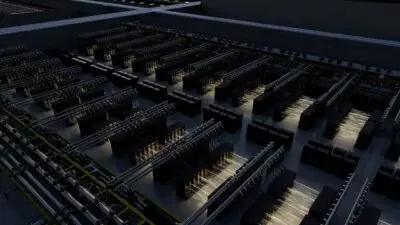
Evans explained that the construction of data centers and the purchase of specialized computing equipment create a surge in demand across multiple sectors. This demand competes for the same workers and materials used in the broader economy. As a result, prices for energy, steel, and skilled labor rise, pushing up overall inflation. The Fed is monitoring these trends closely as it sets monetary policy.
Will the Fed Raise Rates Again?
The central bank may be forced to respond to these new inflationary pressures. Evans noted that the AI boom is not a one-time event but an ongoing trend that will continue to exert upward pressure on prices. If inflation accelerates, the Fed could pause rate cuts or even consider hikes. This creates uncertainty for businesses and consumers who are already feeling the pinch of higher borrowing costs.
Who is Charles Evans? Charles Evans is the former president of the Federal Reserve Bank of Chicago. He is a prominent voice on monetary policy and inflation dynamics.
Frequently Asked Questions
Why does AI infrastructure spending cause inflation? The construction of data centers and purchase of GPUs drives up demand for labor, energy, and materials, which pushes prices higher across the economy.
What is the Fed likely to do? The Fed may hold rates steady or consider a rate hike if AI-driven inflationary pressures persist, according to Evans' analysis.