
Why Regulators See Red in Kiosk Transactions
The U. S. Commodity Futures Trading Commission issued a formal warning on August 27, 2026. Regulators identified cryptocurrency ATM transfers as probable scams. This alert followed an FBI report detailing a $388 million crisis. Consumer losses spiked by 58 percent during the period. The agency urged investors to exercise extreme caution when using these digital kiosks for asset exchanges.
Breaking news
 Bitcoin Drops Below $82,000 After Hot US Inflation Data
 Kraken Parent Payward Acquires Saldo Bank for European Expansion
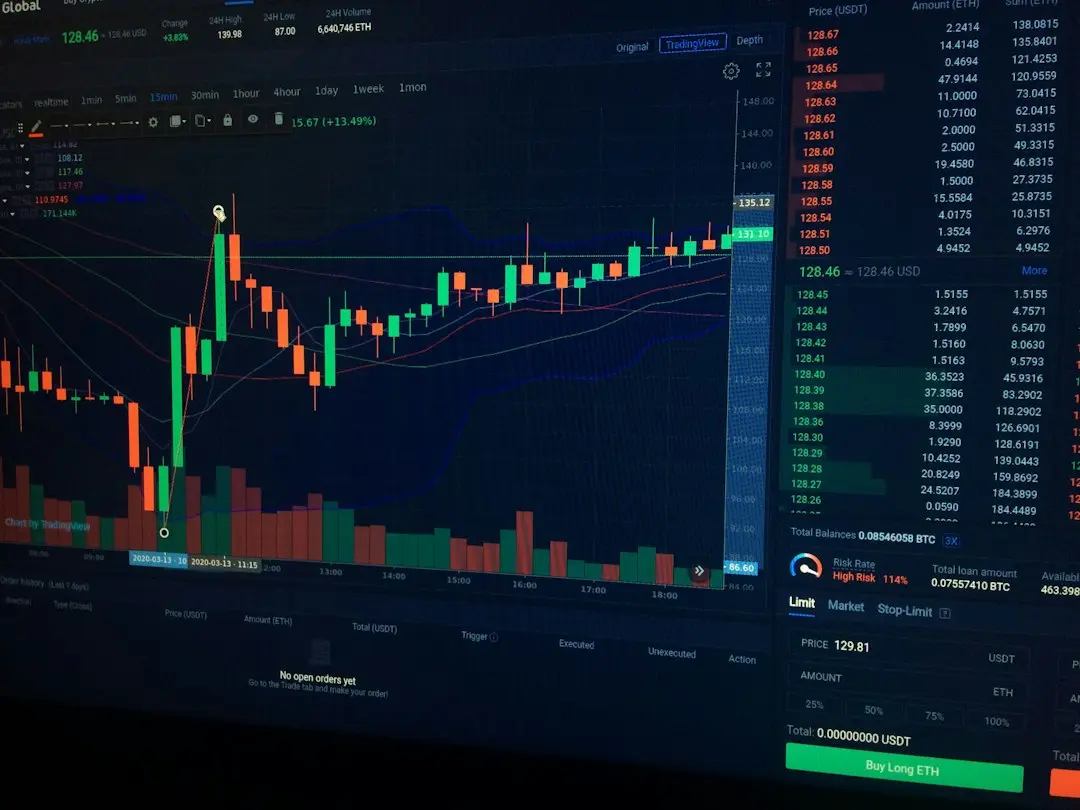 UK Trader Sues BitMEX Over 1,053 Losing Trades in £20 Million Claim
 EU Banking Regulator Seizes Direct Control of USDC Oversight
Regulators highlighted specific red flags associated with these transactions. The CFTC noted that many operators lack proper licensing or insurance. Consumers often face high fees and poor exchange rates. These factors make the process risky for average users. The commission emphasized that the rapid growth of crypto ATMs outpaced regulatory oversight. This gap allowed fraudulent schemes to flourish in the market.
The FBI data revealed a troubling trend in consumer complaints. Victims reported losing significant sums through unauthorized withdrawals. Many scammers exploited the anonymity of blockchain networks. Once funds moved, recovery became nearly impossible. The CFTC stated that the structure of these ATM operations often obscures the true identity of the counterparty. This lack of transparency increases the likelihood of fraud. Investors were advised to verify operator credentials before completing any transfer.
Is the Kiosk Boom Sustainable?
The warning specifically targets retail investors who use physical machines. These devices allow users to buy or sell digital assets instantly. While convenient, they introduce multiple points of failure. Software glitches can lock funds indefinitely. Hardware issues may result in lost receipts or confirmation codes. The CFTC suggested that users keep detailed records of every interaction. They should also monitor their wallet balances immediately after each transaction.
Market participants reacted quickly to the new guidance. Several major crypto ATM operators announced enhanced security protocols. Some began requiring multi-factor authentication for large transfers. Others partnered with established financial institutions for added trust. The industry argues that these measures will restore consumer confidence. However, critics note that compliance costs may rise. Higher fees could push casual users back toward online platforms. This shift might reduce the physical footprint of crypto ATMs.
Frequently Asked Questions
The CFTC indicated it would continue monitoring the sector. Future rulemaking could mandate clearer disclosure requirements. Operators might need to display fee schedules prominently on screens. The commission also plans to collaborate with state regulators. This joint effort aims to create a unified standard for kiosk operations. Without such standards, the market remains fragmented and vulnerable.
How much did consumers lose in total? The FBI reported a total loss of $388 million. This figure represents a 58 percent increase in consumer complaints. The majority of losses occurred through unauthorized or fraudulent transfers.
What does the CFTC recommend for users? The agency advises users to treat ATM transfers with suspicion. Investors should verify operator licenses and check fee structures. Keeping digital records of all transactions is essential for potential recovery efforts.