
Institutional Appetite for Event‑Driven Instruments
Cantor, a leading investment bank, announced today that it will offer its roughly 3,000 institutional customers the ability to trade large‑block contracts on Kalshi’s prediction‑market platform. The move aims to bring event‑based betting instruments into mainstream finance, allowing hedge funds, asset managers and other professional investors to hedge or speculate on outcomes ranging from economic data releases to political events.
Breaking news
 Bitcoin Drops Below $82,000 After Hot US Inflation Data
 Kraken Parent Payward Acquires Saldo Bank for European Expansion
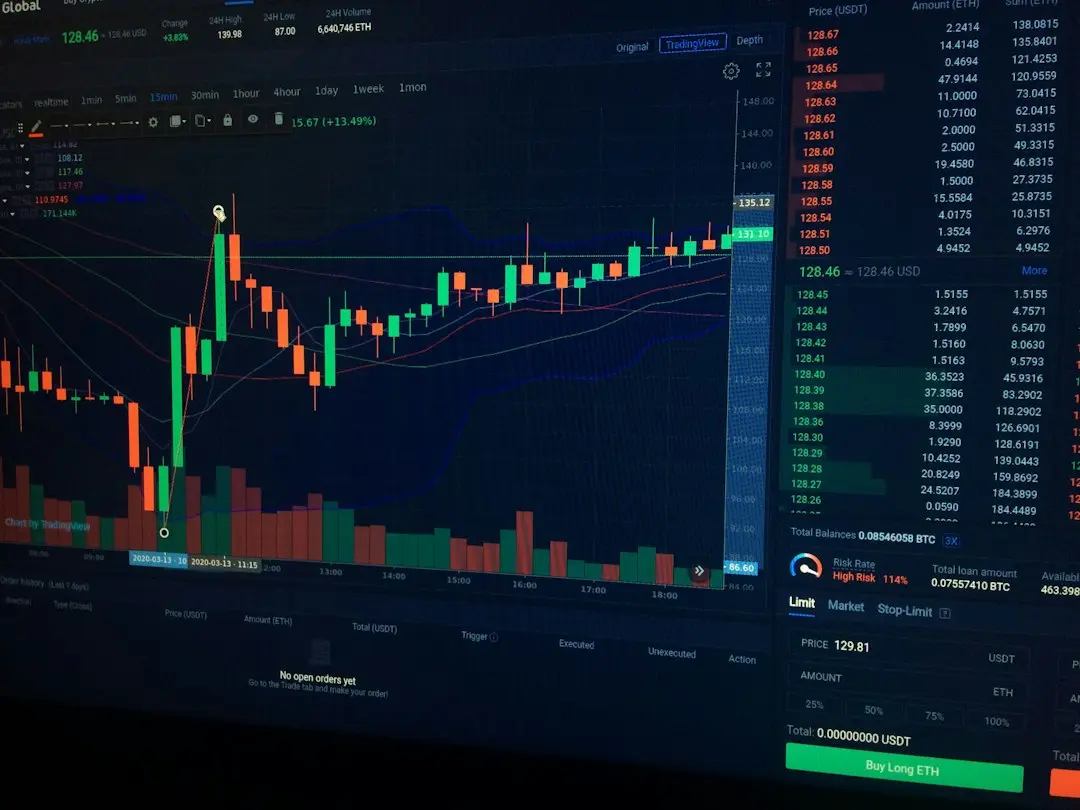 UK Trader Sues BitMEX Over 1,053 Losing Trades in £20 Million Claim
 EU Banking Regulator Seizes Direct Control of USDC Oversight
The partnership leverages Cantor’s extensive brokerage network and Kalshi’s regulated exchange to facilitate sizable trades that were previously limited to retail participants. By integrating Kalshi’s event contracts into its order‑flow system, Cantor hopes to meet growing demand for alternative risk‑transfer tools. The bank says the service will launch next month, with dedicated support teams to guide clients through the new product class. Cantor’s move reflects a broader industry shift toward incorporating non‑traditional assets into portfolio strategies.
Cantor’s decision follows a surge in interest from institutional investors seeking ways to diversify beyond equities and bonds. Event contracts allow traders to bet on specific outcomes, such as a central bank’s interest‑rate decision or a corporate earnings surprise, with payouts tied directly to the result. „Our clients are looking for precise hedges against macro‑economic uncertainty,” said a Cantor spokesperson. „Kalshi provides a transparent, regulated marketplace that fits within our compliance framework.”
Will Prediction Markets Become a Mainstay in Institutional Trading?
The bank will handle block trades that exceed typical retail sizes, offering price improvement and reduced market impact. Kalshi’s platform, regulated by the CFTC, ensures that contracts are settled based on official data, minimizing disputes. Early adopters anticipate using the contracts to offset exposure in traditional positions, especially during volatile election cycles and earnings seasons.
Analysts question whether prediction markets can sustain long‑term institutional interest. Critics point to limited liquidity and the novelty of the asset class as potential hurdles. However, Cantor’s involvement could boost confidence, as the firm’s risk‑management infrastructure will monitor positions and enforce margin requirements. „If Cantor can deliver reliable execution, we may see a wave of similar offerings from other banks,” noted a market strategist. The success of the rollout will depend on client education and the ability to integrate event contracts into existing risk models.
The expansion could reshape how institutions manage uncertainty. By providing a regulated avenue for betting on real‑world events, Cantor and Kalshi may open a new frontier for hedging and speculative strategies. If adoption grows, other financial firms are likely to follow, potentially leading to deeper liquidity and more sophisticated contract designs.
Frequently Asked Questions
What types of events can be traded on Kalshi through Cantor? Clients can trade contracts on economic indicators, political outcomes, corporate earnings, and other verifiable events that have clear, binary results.
How does Cantor ensure regulatory compliance for these trades? Cantor integrates Kalshi’s CFTC‑regulated platform with its own compliance checks, applying margin rules and reporting standards consistent with institutional requirements.
Will retail investors also benefit from this partnership? The initiative targets institutional clients, but increased liquidity and market depth could indirectly improve pricing and access for retail participants on Kalshi’s platform.