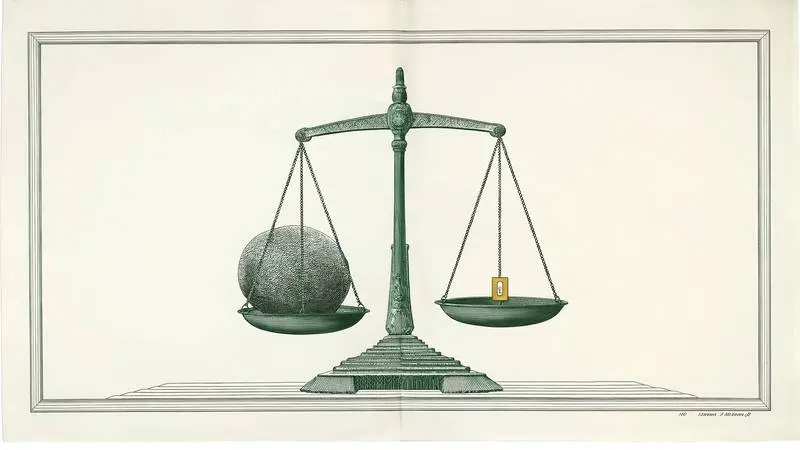
How Prior Penalties Lower the Final Bill
Block Inc. has agreed in principle to pay $964 million to settle federal charges related to anti-money-laundering lapses. The deal resolves a multi-year investigation by the U. S. Department of Justice. Block, the parent company of Square and Cash App, faces penalties for failing to properly monitor and report suspicious transactions.
Breaking news
 Bitcoin Slides Below $76,000 as $250 Million in Leveraged Positions Wiped Out
 Bitcoin Dips Below $76K Then Bounces as Democrats Take House
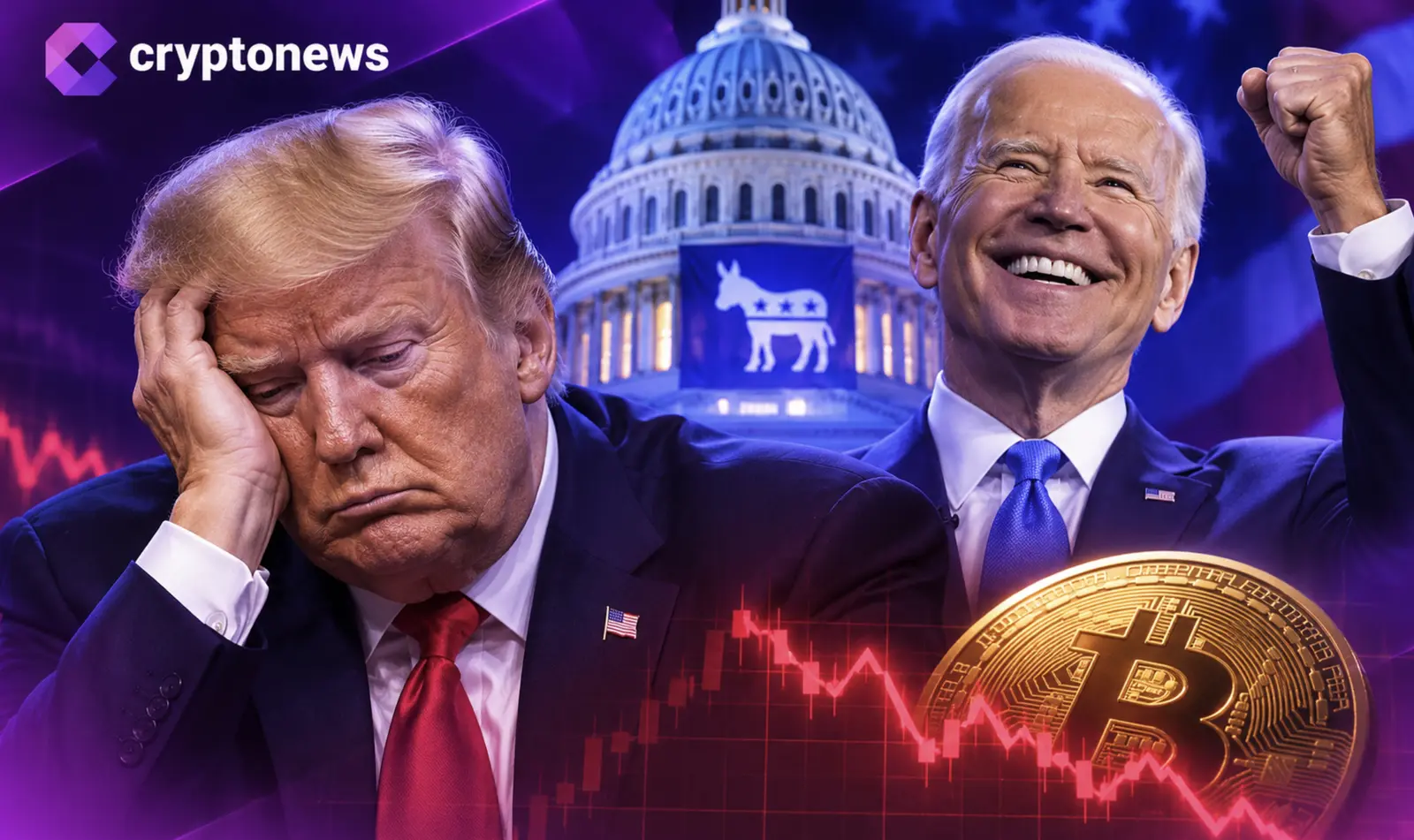 Bitcoin Slides as Democrats Win Senate, Threatening Trump's Crypto Agenda
 Coinbase Adds CARDS to Listing Roadmap, Token Rises 4%
The settlement reflects the company's history of regulatory scrutiny. Block previously resolved similar AML issues with other regulators. Those prior resolutions earn credits that reduce the final payment to approximately $764 million. The DOJ cited gaps in Block's transaction monitoring systems as the core failure.
What This Means for Block's Financials
Regulatory credits from earlier settlements directly offset the new DOJ payment. Block had previously settled with the CFPB and FinCEN over related AML concerns. Those prior agreements count toward the total, cutting the headline figure by $200 million. This credit mechanism is standard in federal enforcement actions where a company has a documented history of compliance corrections.
The settlement lands alongside a significant earnings miss. Block's bitcoin ecosystem gross profit dropped 50%, driven largely by reduced Cash App transaction fees. The company had been cutting fees to compete with other payment platforms. The DOJ deal adds another layer of financial pressure on an already strained bottom line.
Why did Block get a credit for prior settlements? Federal law allows regulators to credit prior resolved cases against new penalties. Block's earlier AML settlements with CFPB and FinCEN qualified for this offset, reducing the final payment.
Frequently Asked Questions
How much will Block actually pay? After applying credits for prior regulatory resolutions, the final payment drops from $964 million to about $764 million. The difference reflects the value of those earlier compliance fixes.
What caused the 50% drop in bitcoin ecosystem profit? Cash App reduced its transaction fees to stay competitive, which directly cut the gross profit from its bitcoin trading and payment services by half.