Recovering Funds Through Decentralized Finance
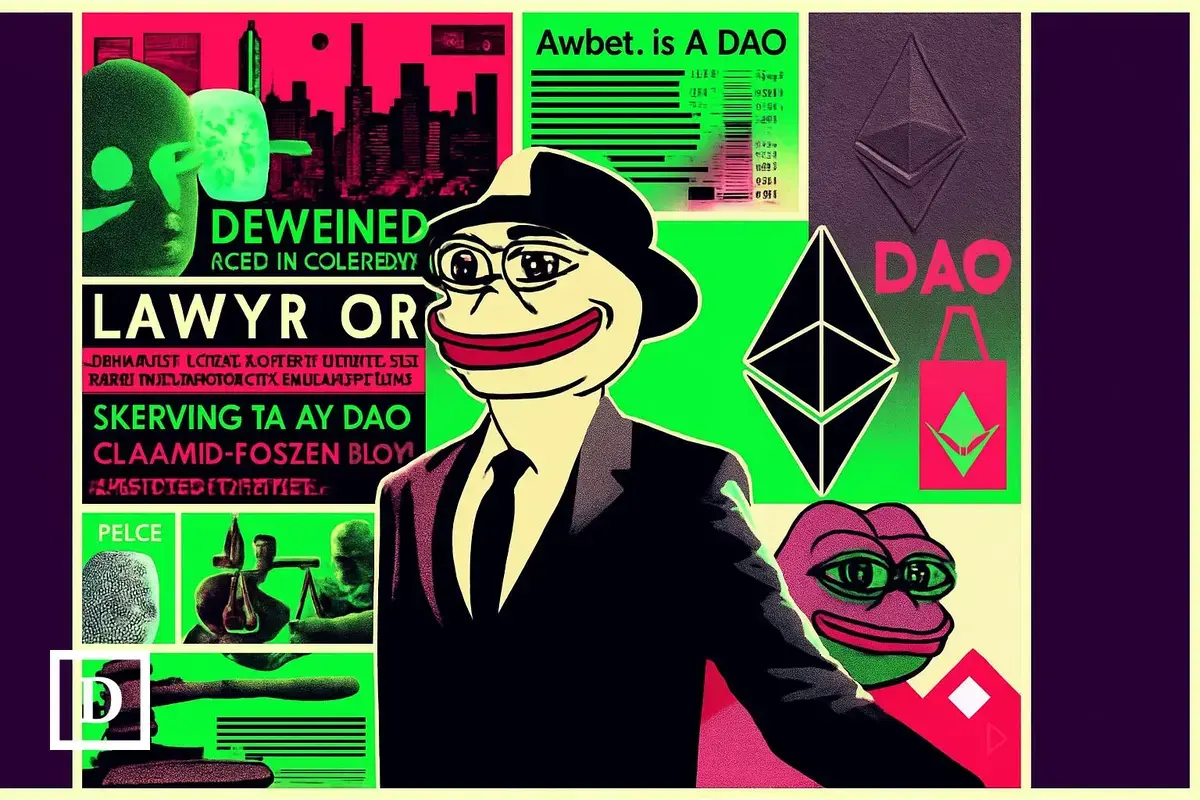
A U. S. lawyer is pursuing frozen Ether. This Ether relates to the recent Kelp DAO exploit. He represents victims of hacks linked to North Korean state actors. The attempt focuses on funds Arbitrum froze last month.
Breaking news
 Bitcoin Drops Below $82,000 After Hot US Inflation Data
 Kraken Parent Payward Acquires Saldo Bank for European Expansion
 UK Trader Sues BitMEX Over 1,053 Losing Trades in £20 Million Claim
 EU Banking Regulator Seizes Direct Control of USDC Oversight
Charles Gerstein, of Gerstein Harrow LLP, directly addressed the Arbitrum governance forum. He formally requested the release of the frozen Ether. Gerstein argues these funds should compensate his clients. They suffered losses from previous, state-sponsored cyberattacks. The Kelp DAO exploit involved a manipulation of the Kelp decentralized exchange. This resulted in approximately $2.7 million in Ether being drained. Arbitrum quickly intervened, freezing the stolen assets to prevent further movement.
Gerstein’s strategy is unusual. He’s attempting to leverage the frozen funds within the decentralized finance (DeFi) ecosystem. Traditionally, recovering stolen cryptocurrency is difficult. Law enforcement often struggles to trace and seize assets. This case presents a unique opportunity. Arbitrum’s proactive freezing of the funds provides a central point of control. Gerstein believes a legal claim can be made directly against these frozen assets. He aims to establish a precedent for recovering funds lost to North Korean hackers through DeFi exploits.
Can DeFi Platforms Become Recovery Tools?
The attorney detailed his clients’ prior losses. These stem from multiple attacks attributed to the Lazarus Group. This is a hacking collective linked to the North Korean government. He presented evidence connecting the group to previous exploits. He argues the Kelp DAO hack shares similar characteristics. This strengthens his claim that the frozen Ether is tainted by illicit activity. Gerstein is requesting a legal process within the Arbitrum DAO. This would allow for a formal assessment of his claim and potential distribution of the funds.
This case raises important questions. Can decentralized platforms facilitate the recovery of stolen funds? Traditionally, DeFi has been seen as largely unregulated. This makes it difficult to enforce legal judgments. However, Arbitrum’s willingness to freeze the exploited funds demonstrates a level of cooperation. It suggests a potential shift in how DeFi platforms address security breaches.
The outcome of Gerstein’s request could set a significant precedent. If successful, it could encourage other victims of cybercrime to pursue similar claims. It could also incentivize DeFi platforms to adopt more robust security measures. This would protect users and potentially aid in the recovery of stolen assets. However, it also raises concerns about due process and the potential for legal disputes within decentralized governance structures.
The situation remains fluid. Arbitrum DAO members are currently reviewing Gerstein’s request. They will likely consider the legal implications and potential impact on the DeFi ecosystem. A decision could take weeks or months. The case highlights the evolving intersection of law and decentralized finance. It demonstrates the challenges and opportunities in recovering stolen cryptocurrency.
Frequently Asked Questions
What is the Kelp DAO exploit? Hackers drained approximately $2.7 million in Ether. Arbitrum then froze the stolen funds to prevent further loss.
Who is the Lazarus Group? The Lazarus Group is a notorious hacking collective. They are linked to the North Korean government. They have been implicated in numerous cyberattacks globally.
How does this case differ from typical crypto recovery attempts? This case is unique because the funds were proactively frozen by Arbitrum. This provides a central point of control. It allows a lawyer to make a direct legal claim against the assets, unlike most crypto recovery efforts.