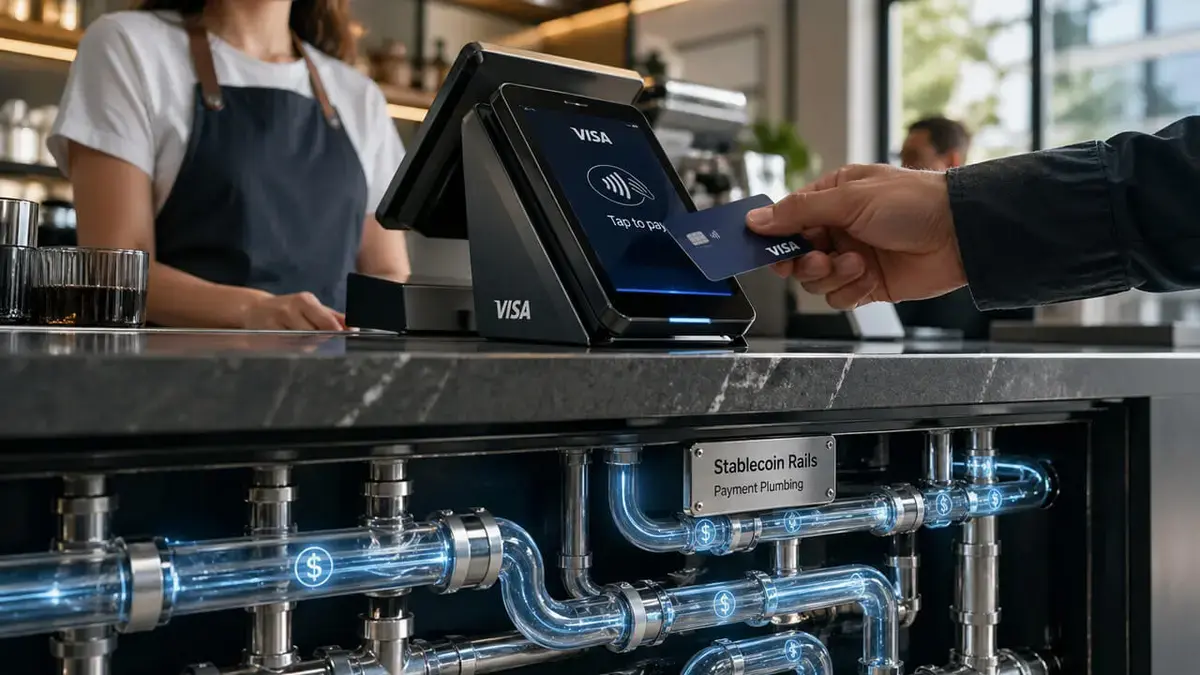
Building Bridges to Blockchain Payments
Visa is testing stablecoin settlements across nine blockchain networks. The program now processes transactions at an annual rate of $7 billion. This expansion began on April 29th, adding several new blockchains to the existing pilot. It aims to integrate digital currency payments into existing systems.
Breaking news
 Bitcoin Drops Below $82,000 After Hot US Inflation Data
 Kraken Parent Payward Acquires Saldo Bank for European Expansion
 UK Trader Sues BitMEX Over 1,053 Losing Trades in £20 Million Claim
 EU Banking Regulator Seizes Direct Control of USDC Oversight
The initial pilot program included Avalanche, Ethereum, Solana, and Stellar. Visa recently added Arc, Base, Canton, Polygon, and Tempo. This broadened support demonstrates Visa’s commitment to exploring digital currency infrastructure. The company believes stablecoins can improve payment speed and efficiency.
Visa’s approach differs from some competitors. They aren’t creating a new cryptocurrency. Instead, they are building a layer on top of existing payment rails. This allows merchants to accept stablecoins and have them settled through Visa’s network. The goal is seamless integration, minimizing disruption for businesses and consumers.
Could Stablecoins Become Mainstream?
The $7 billion annualized settlement run rate represents a 50% increase. This growth suggests increasing adoption and confidence in the system. Visa is processing these transactions using the same infrastructure used for traditional payments. This is a key element of their strategy – leveraging existing scale.
The addition of multiple blockchains is significant. It provides flexibility and redundancy for users. Each blockchain has different strengths and weaknesses. Supporting a variety of networks reduces reliance on any single platform. This diversification is crucial for long-term stability and scalability.
Visa is not disclosing specific details about the pilot participants. However, they indicate a range of businesses are involved. These businesses are testing the system for various use cases. The company is gathering data and refining the process before wider rollout. They are focused on ensuring compliance and security.
Frequently Asked Questions
The expansion of this program could have major implications. It could accelerate the adoption of stablecoins for everyday transactions. Visa’s involvement lends credibility to the digital currency space. It also signals a shift towards more integrated blockchain solutions within the traditional financial system. The future likely holds more digital currency options for consumers and businesses.
What is a stablecoin? Stablecoins are cryptocurrencies designed to maintain a stable value. They are typically pegged to a fiat currency like the US dollar. This aims to reduce the price volatility often associated with other cryptocurrencies.
How does Visa’s pilot program work? Visa’s program allows businesses to accept stablecoin payments. These payments are then settled through Visa’s existing payment network. This process converts the stablecoin value into traditional currency for the merchant.