Exploring the Benefits of Blockchain Technology
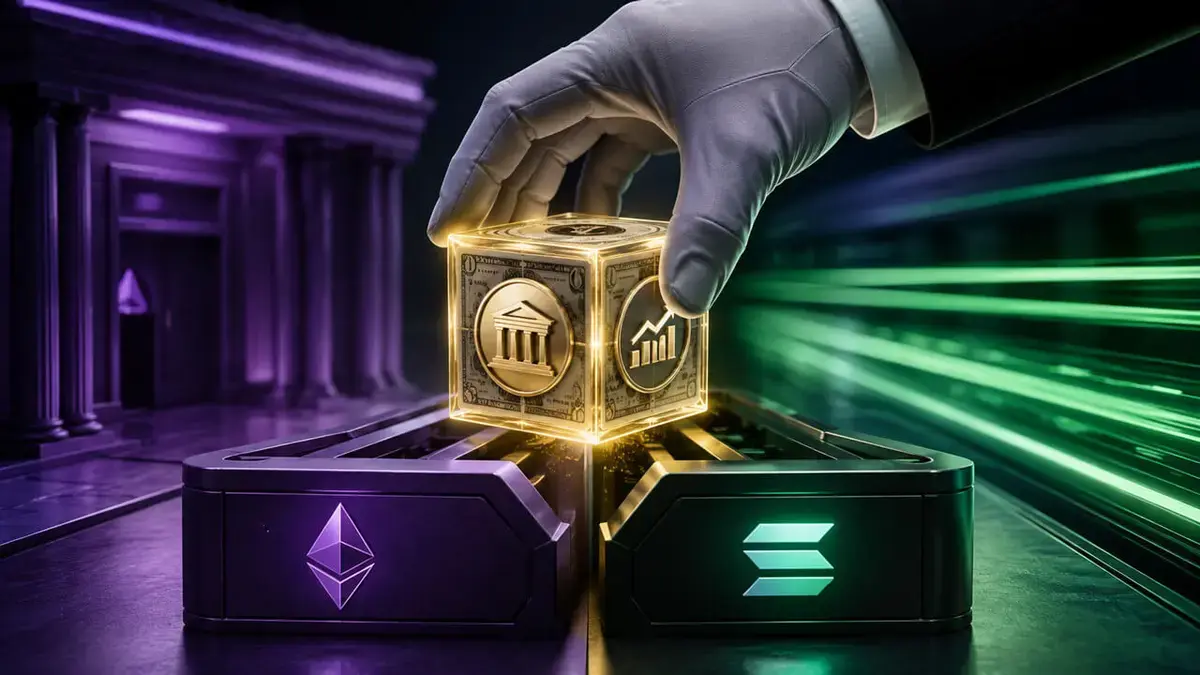
JPMorgan Chase has announced its strategy to utilize both Ethereum and Solana to enhance its institutional cash management. The bank filed a prospectus on May 12 for the JPMorgan OnChain Liquidity-Token Money Market Fund, signaling its commitment to integrating blockchain technology into its operations.
Breaking news
 Investment Activity Surges in Global Cryptocurrency Markets
 Bitcoin Faces Resistance Near Record Highs as Crypto Infrastructure Recovers
 Wall Street Giant Predicts Bitcoin Surge as New Crypto Funds Enter the Market
 Sleeping Ethereum Giants Stir After Years of Silence
The decision to engage with these two prominent cryptocurrencies stems from their unique capabilities. Ethereum is renowned for its robust smart contract functionality, while Solana is recognized for its high throughput and low transaction costs. By tapping into these platforms, JPMorgan aims to optimize liquidity and offer enhanced services to its institutional clients.
JPMorgan's OnChain Liquidity-Token Money Market Fund will allow the bank to manage cash flows more efficiently. The use of Ethereum will enable the bank to leverage smart contracts for automated transactions, reducing the need for manual intervention. This could lead to faster settlement times and lower operational costs.
How Will This Move Impact the Financial Sector?
On the other hand, Solana’s high transaction speed is particularly appealing for real-time cash management. The bank's choice to incorporate Solana highlights its focus on scalability and efficiency. With both platforms, JPMorgan is positioning itself to take advantage of the evolving landscape of digital finance.
The integration of blockchain technology by a major financial institution like JPMorgan could signal a shift in how traditional banks operate. As more banks explore similar strategies, the financial sector may see increased competition and innovation. This could lead to more efficient financial services, benefiting clients and institutions alike.
Moreover, this move may encourage other financial entities to adopt blockchain solutions, broadening the acceptance of cryptocurrencies in mainstream finance. The implications for regulatory frameworks and market dynamics will be significant as the industry adapts to these advancements.
Frequently Asked Questions
In conclusion, JPMorgan's strategic use of Ethereum and Solana could reshape institutional cash management. As the bank pioneers this path, it may pave the way for broader adoption of blockchain technology in the financial sector.
Why is JPMorgan using both Ethereum and Solana? JPMorgan is leveraging Ethereum for its smart contract capabilities and Solana for its high transaction speed and low costs. This combination aims to enhance liquidity management.
What is the JPMorgan OnChain Liquidity-Token Money Market Fund? This fund is designed to optimize cash management for institutional clients, utilizing blockchain technology to streamline operations and improve efficiency.