Institutional Validation Drives Early Network Security
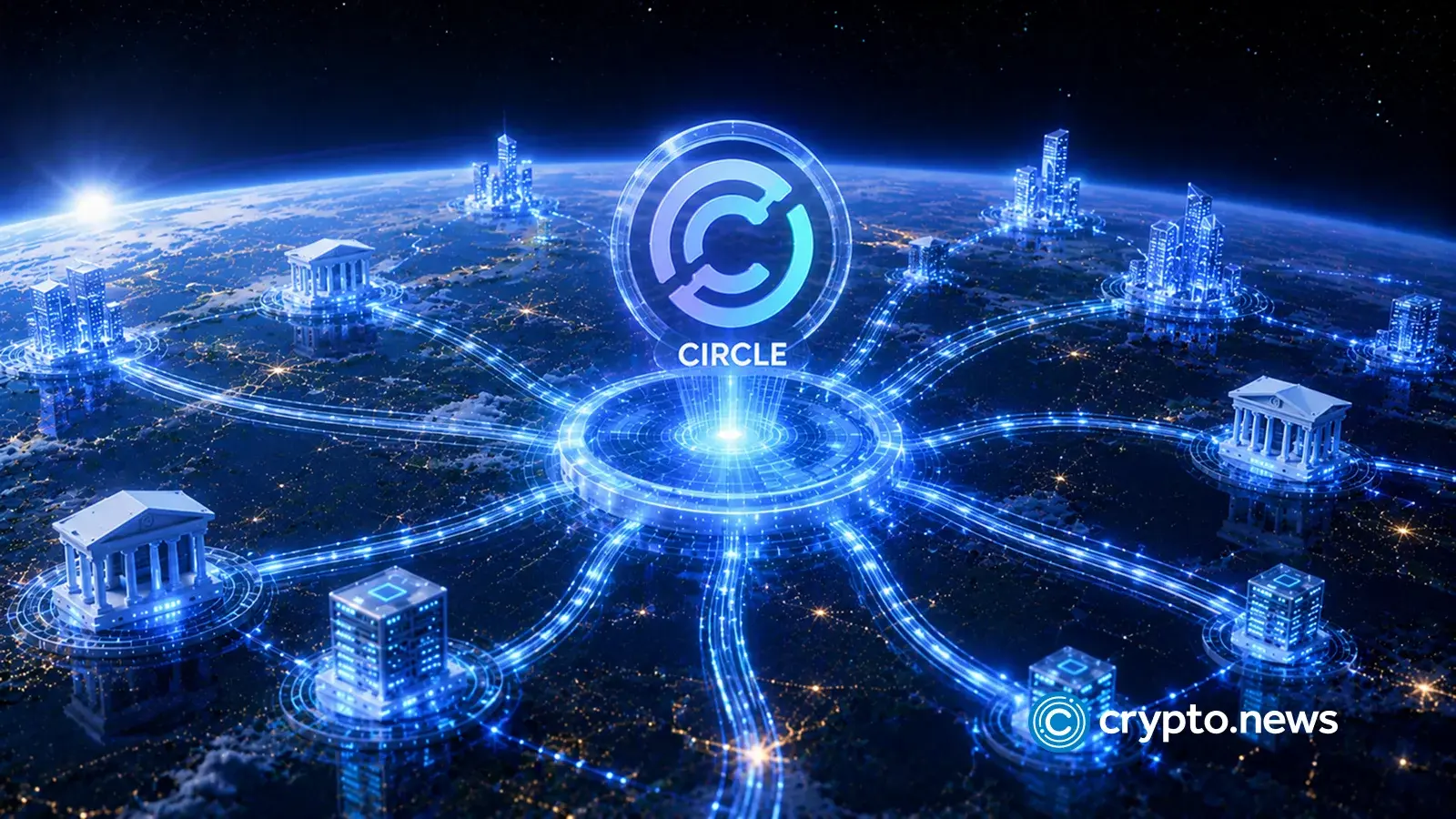
Circle officially launched the public mainnet for Arc on September 16, 2026. This move brings its dedicated Layer 1 blockchain fully online. The network is powered natively by USDC, the company’s flagship stablecoin. Institutional validators now secure the chain from day one. More than twenty fiat-denominated stablecoins are available immediately. Tokenized funds also joined the ecosystem at launch. This marks a significant milestone for institutional-grade digital asset infrastructure.
Breaking news
 Investment Activity Surges in Global Cryptocurrency Markets
 Bitcoin Faces Resistance Near Record Highs as Crypto Infrastructure Recovers
 Wall Street Giant Predicts Bitcoin Surge as New Crypto Funds Enter the Market
 Sleeping Ethereum Giants Stir After Years of Silence
The new network prioritizes speed and reliability for enterprise users. It operates as a standalone Layer 1 solution rather than a sidechain. This architecture allows for independent consensus and finality. Developers can build applications directly on Arc without relying on external rollups. The integration of USDC as the primary gas token simplifies transaction costs. Users pay fees in a widely recognized currency, reducing volatility risk. This design choice targets financial institutions seeking predictable operational expenses. The launch includes immediate support for major fiat currencies. This expands the utility of stablecoins beyond simple transfers. It enables complex financial instruments to settle on-chain efficiently.
Security remains a top priority for this new infrastructure. Circle engaged established institutional validators to secure the mainnet. These entities bring proven track records in managing large-scale assets. Their participation signals confidence in the network’s technical robustness. The validation process ensures rapid finality for transactions. This feature is critical for high-frequency trading and settlement. Institutions can trust that their transactions will not be reversed. The network also supports multiple stablecoin issuers. This creates a competitive marketplace for digital dollars and euros. It prevents any single entity from dominating the liquidity landscape. Tokenized funds further enhance the depth of the ecosystem. Investors can hold shares in traditional portfolios on-chain. This bridges the gap between legacy finance and web3 technology.
How Does Native Gas Payment Change Trading Dynamics?
Using USDC for gas eliminates the need for volatile native tokens. Traders no longer need to swap assets to cover network fees. This reduces slippage and execution complexity. It aligns cost structures with the actual value being transferred. Financial teams can budget for operations with greater accuracy. The absence of a separate native token simplifies tokenomics. It removes the speculative element often associated with layer 1 chains. This focus on utility over speculation appeals to conservative investors. The system encourages long-term holding of stablecoins. It turns gas fees into a demand driver for USDC. As network activity grows, so does the circulation of the coin. This creates a positive feedback loop for adoption.
The launch positions Arc as a serious competitor in the institutional space. It addresses key pain points in current blockchain infrastructure. Speed, security, and cost predictability are now standard features. Future updates may include cross-chain interoperability protocols. Partnerships with global banks could follow in the coming months. The success of Arc depends on developer adoption. A vibrant ecosystem of d Apps will determine its long-term viability. Circle aims to make Arc the default home for institutional finance. The next phase involves expanding validator sets globally. This will decentralize control while maintaining performance standards. The market will watch closely for early volume metrics. High throughput without congestion will validate the technology. If successful, Arc could reshape how global capital moves digitally.
Frequently Asked Questions
When did the Arc mainnet go live? The public mainnet launched on September 16, 2026. It began operations with full institutional validator support. All core features were active from the start.
Which assets are supported at launch? Tokenized funds are also supported on the network. USDC serves as the primary gas token for all transactions.
Who secures the Arc network? Institutional validators provide security for the chain. These entities manage the consensus mechanism. They ensure transaction finality and network integrity.