
Why DeFi Needs Precise Rules
The Blockchain Association has called on the U. S. Treasury Department to provide definitive guidance for decentralized finance (DeFi) platforms under the recently enacted GENIUS Act. The request was made public on Tuesday, as industry leaders warn that vague regulations could hinder innovation and expose users to legal uncertainty.
Breaking news
 Decoding Crypto Control Under New SEC Rules
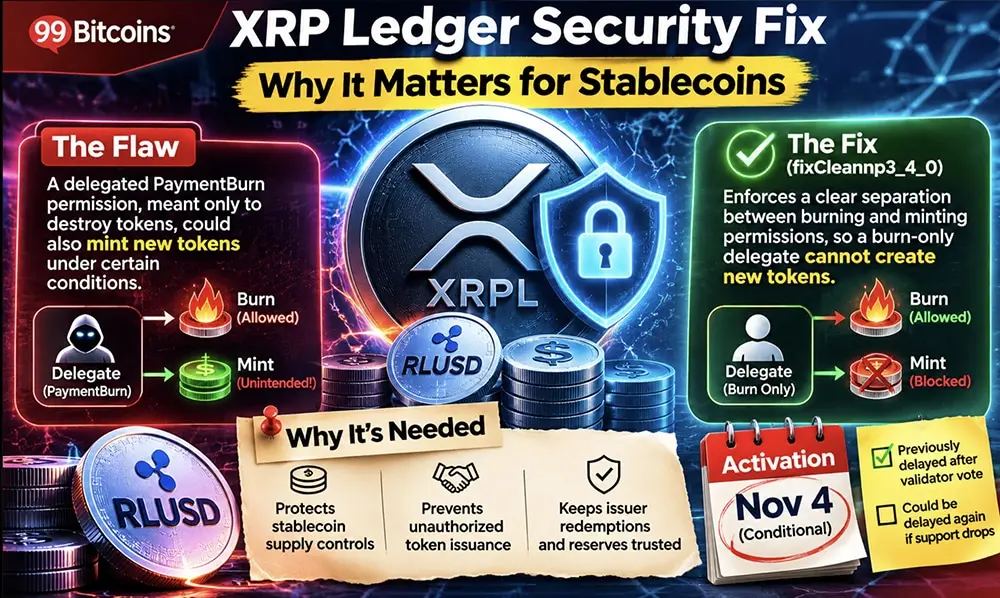 XRP Ledger Sets Second Deadline for Stablecoin Security Patch
 Brazil, Thailand, India clarify crypto’s place in law, finance
 Crypto Exchange Vows Full Refund After Massive Cyber Attack
The GENIUS Act, signed into law in 2024, expands the definition of „financial institution” to include many DeFi protocols. While the legislation aims to close regulatory gaps, it leaves many technical details open, prompting the association to seek clarification. The Treasury’s Office of the Comptroller of the Currency (OCC) is expected to issue guidance within the next quarter, but the lack of specificity has already sparked concern among developers and investors.
How Treasury Guidance Will Shape the Market
DeFi platforms operate on blockchain networks, enabling users to lend, borrow, and trade without intermediaries. The new law requires these platforms to register as financial institutions if they meet certain thresholds, but it does not define key terms such as „custodial services” or „on‑chain asset custody.” The absence of clear definitions means that a protocol could be classified as a bank or a non‑bank entity based on interpretation, leading to inconsistent enforcement.
Industry experts argue that ambiguous rules could stifle growth. „We’re at a tipping point where clarity is essential,” said Maya Patel, director of policy at the Blockchain Association. „Without precise guidance, developers risk inadvertently violating regulations, which could deter investment and slow technological progress.” The association also highlighted that the GENIUS Act’s compliance requirements—such as reporting obligations and capital adequacy standards—are difficult to implement without a concrete regulatory framework.
What Happens If Guidance Is Delayed?
The Treasury’s forthcoming guidance will likely address how DeFi protocols should report transactions, manage customer data, and meet anti‑money‑laundering (AML) standards. It will also clarify the extent to which smart contracts can be considered „custodial” and whether they fall under the jurisdiction of the Federal Deposit Insurance Corporation (FDIC). The guidance is expected to balance consumer protection with innovation, ensuring that DeFi remains accessible while preventing illicit activity.
Regulators have expressed willingness to collaborate with the industry. „We recognize the unique nature of blockchain technology,” said Treasury spokesperson Elena Ramirez. „Our goal is to create rules that protect consumers without stifling the sector’s growth.” However, industry leaders remain cautious, noting that previous regulatory proposals have often lagged behind technological advances, leading to a cycle of uncertainty.
A delay in Treasury guidance could create a regulatory vacuum, prompting state regulators to step in with their own rules. This patchwork approach could increase compliance costs for DeFi projects operating across multiple jurisdictions. Moreover, investors might become wary of funding projects that could face sudden legal challenges, potentially reducing capital inflows into the sector.
Frequently Asked Questions
On the other hand, a timely and clear regulatory framework could attract institutional investment, as firms would have a better understanding of compliance requirements. Clear rules would also help DeFi platforms design products that meet regulatory standards from the outset, reducing the risk of costly retrofits.
Q: When can we expect the Treasury to publish its guidance? A: The Treasury has indicated it aims to release preliminary guidance within the next three months, with a final version following after stakeholder consultations.