Inflation‑Driven Rate Hike Anxiety
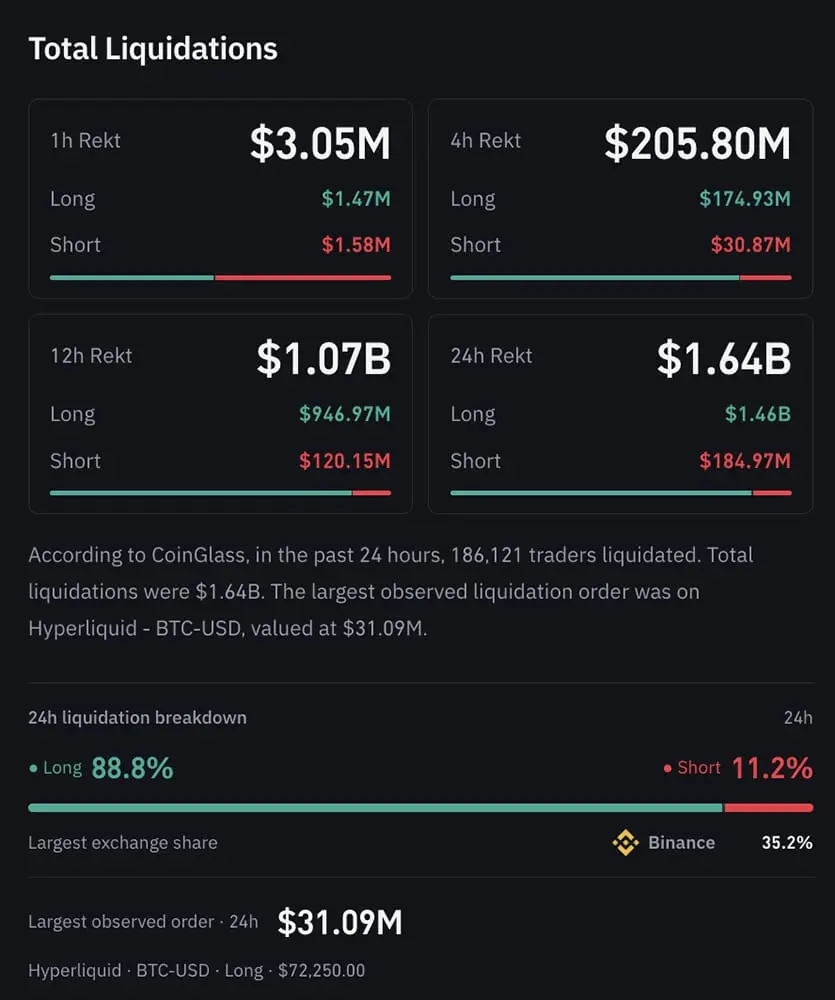
Bitcoin slipped below $69,000 on Tuesday, pulling Ethereum and most major altcoins into a sharp decline. The sell‑off spread across exchanges worldwide, wiping out billions in market value within hours. Traders cite a mix of macro‑economic worries, tech‑sector jitters and internal crypto dynamics as the catalysts behind the sudden plunge.
Breaking news
 Injective Seeks SEC Approval for Onchain Trading of Tokenized Stocks
 Bitcoin Hits $61,000 as Short Sellers Face $117 Million in Liquidations
 Bitcoin’s Dormant Supply Hits 68.5% as Price Stalls Near $60,000
 Bitcoin ETFs Bleed $3.05B in Seven Days as November Outflows Hit $5.39B
The first trigger stems from renewed fears that the U. S. Federal Reserve may resume raising interest rates to combat stubborn inflation. Higher rates make risk‑on assets like cryptocurrencies less attractive, prompting investors to shift toward safer bonds. At the same time, Nvidia’s surprise leadership change rattled the broader risk market; the chipmaker’s stock slumped after its CEO stepped down, sending a ripple of caution through tech‑heavy portfolios that often include crypto holdings. Adding to the pressure, the supply of stablecoins—a key liquidity source—shrank by $14.2 billion as users withdrew funds, tightening cash flow for traders. Meanwhile, investors in newly launched Bitcoin and Ethereum exchange‑traded funds began pulling money, signaling waning confidence in institutional crypto products. The final blow came when more than $1.4 billion in leveraged crypto positions were liquidated, forcing a cascade of margin calls that accelerated the downward spiral.
Analysts say the prospect of another Fed rate hike has revived the „risk‑off” mindset that dominated markets in 2022. „When the Fed signals tighter monetary policy, investors automatically reassess exposure to volatile assets,” explained senior economist Maya Patel. The resulting capital flight has hit Bitcoin hardest because it is often viewed as a hedge against inflation. Yet, with inflation still above the Fed’s target, the hedge narrative loses its appeal, prompting a rapid reallocation of funds into more stable instruments.
Is Nvidia’s Leadership Shock the Real Trigger for Crypto’s Decline?
The tech sector’s health is closely linked to crypto sentiment, and Nvidia’s unexpected CEO departure sent shockwaves through risk‑averse investors. „Nvidia is a bellwether for high‑growth tech; its instability makes traders nervous about any speculative asset,” noted market strategist Luis Ortega. The timing of the leadership change coincided with a surge in short positions on Bitcoin, suggesting that the tech shake‑up may have amplified existing bearish bets rather than being the sole cause.
The combined effect of these pressures has left the crypto market in a fragile state. Liquidity constraints from shrinking stablecoin supplies and ETF outflows limit the ability of investors to re‑enter positions, while massive liquidations have already erased a sizable portion of market cap. In the short term, volatility is likely to remain high as traders await clearer signals from the Fed and the tech sector. Long‑term investors may see the dip as a buying opportunity, but the path to recovery will depend on macro‑economic stability and renewed confidence in institutional crypto products.
Frequently Asked Questions
Why did stablecoin supply drop so sharply? Users withdrew $14.2 billion from stablecoins amid market uncertainty, reducing the pool of readily available cash that fuels crypto trading.
What role do Bitcoin and Ethereum ETFs play in the crash? ETF inflows had been supporting prices; as investors pulled money out, demand fell, contributing to the broader sell‑off.
Will the crypto market rebound after the Fed’s decision? A definitive answer is impossible, but many analysts believe that if the Fed pauses rate hikes, risk appetite could return, helping prices recover over the coming months.


