Why the Ethics Provision Matters
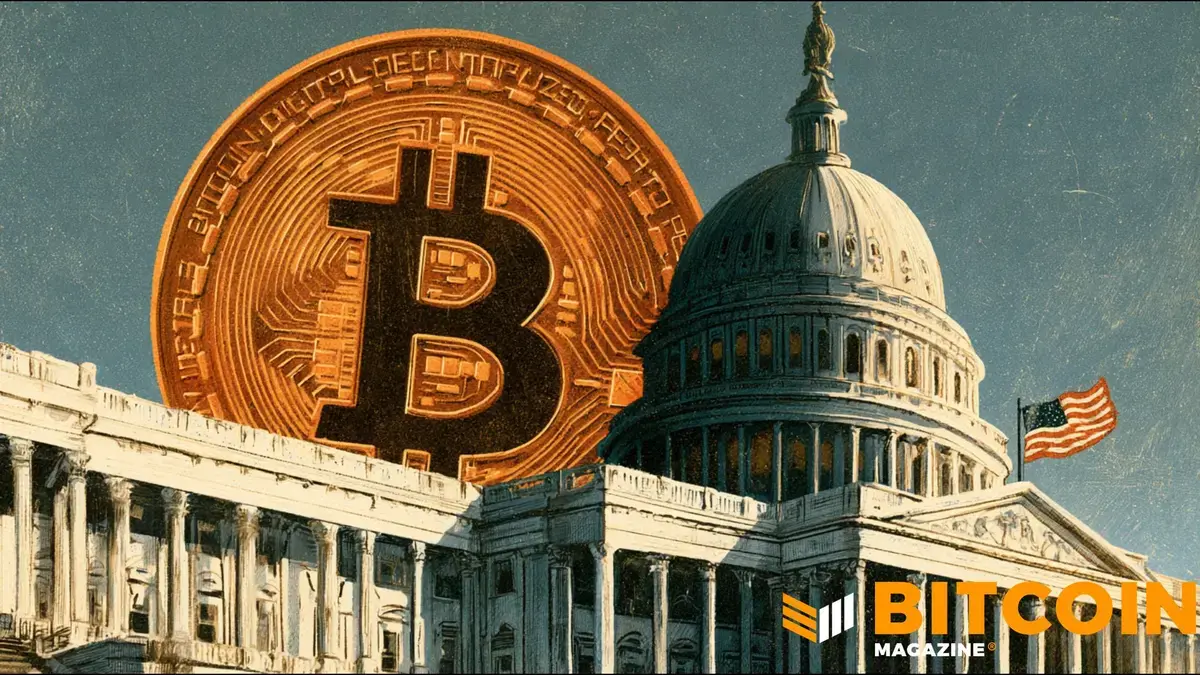
The White House is examining the ethics provisions of the Crypto Clarity Act as the Senate prepares to vote. Lawmakers have only days before an August deadline to decide on the legislation that could reshape digital‑asset regulation. The review signals heightened executive interest in the bill’s final language.
Breaking news
 Bitcoin Drops Below $82,000 After Hot US Inflation Data
 Kraken Parent Payward Acquires Saldo Bank for European Expansion
 UK Trader Sues BitMEX Over 1,053 Losing Trades in £20 Million Claim
 EU Banking Regulator Seizes Direct Control of USDC Oversight
The Crypto Clarity Act, introduced last year, aims to define how cryptocurrencies are treated under U. S. law. Lawmakers hope the bill will reduce uncertainty for investors and clarify the role of federal agencies. The ethics text being scrutinized includes rules on conflicts of interest for regulators and guidelines for industry lobbying. Officials say the review is meant to ensure the bill aligns with broader policy goals before it reaches the Senate floor.
The ethics clause could set a precedent for how government officials interact with the burgeoning crypto sector. By tightening conflict‑of‑interest rules, the provision seeks to prevent regulators from being swayed by industry pressure. Critics argue the language is too vague, while supporters claim it offers necessary safeguards. The White House’s involvement suggests the administration wants a balanced approach that protects consumers without stifling innovation.
Will the Senate Approve the Crypto Clarity Act in Time?
Senators face a tight schedule, with the August deadline looming. Some members have voiced optimism, citing the need for clear rules to foster market stability. Others remain skeptical, warning that rushed legislation could overlook critical details. As the White House reviews the ethics text, lawmakers anticipate possible amendments that could sway the final vote. The outcome will likely hinge on bipartisan negotiations and the ability to address lingering concerns.
If the bill passes, it could bring uniform standards to cryptocurrency exchanges, custodians, and service providers. Industry leaders expect reduced compliance costs, while consumer advocates hope for stronger protections against fraud. Conversely, failure to approve the act may prolong regulatory ambiguity, prompting states to craft divergent rules. The coming weeks will reveal whether the Senate can reconcile competing interests and meet the August deadline.
Frequently Asked Questions
What is the Crypto Clarity Act? It is a congressional proposal that seeks to clarify the legal status of digital assets and establish consistent regulatory oversight.
Why is the White House reviewing the ethics text now? The administration wants to ensure the bill’s conflict‑of‑interest rules are clear and effective before the Senate votes.
What happens if the Senate misses the August deadline? Missing the deadline could delay implementation, leaving the crypto market without federal guidance and potentially prompting state‑level actions.