The Currency vs. Commodity Debate
Bitcoin, the first cryptocurrency, has been grappling with its identity since its inception in 2009. This ongoing uncertainty affects how it is perceived in the market and influences its price volatility. As of June 2026, many investors still question whether Bitcoin is a currency, a commodity, or a digital asset.
Breaking news
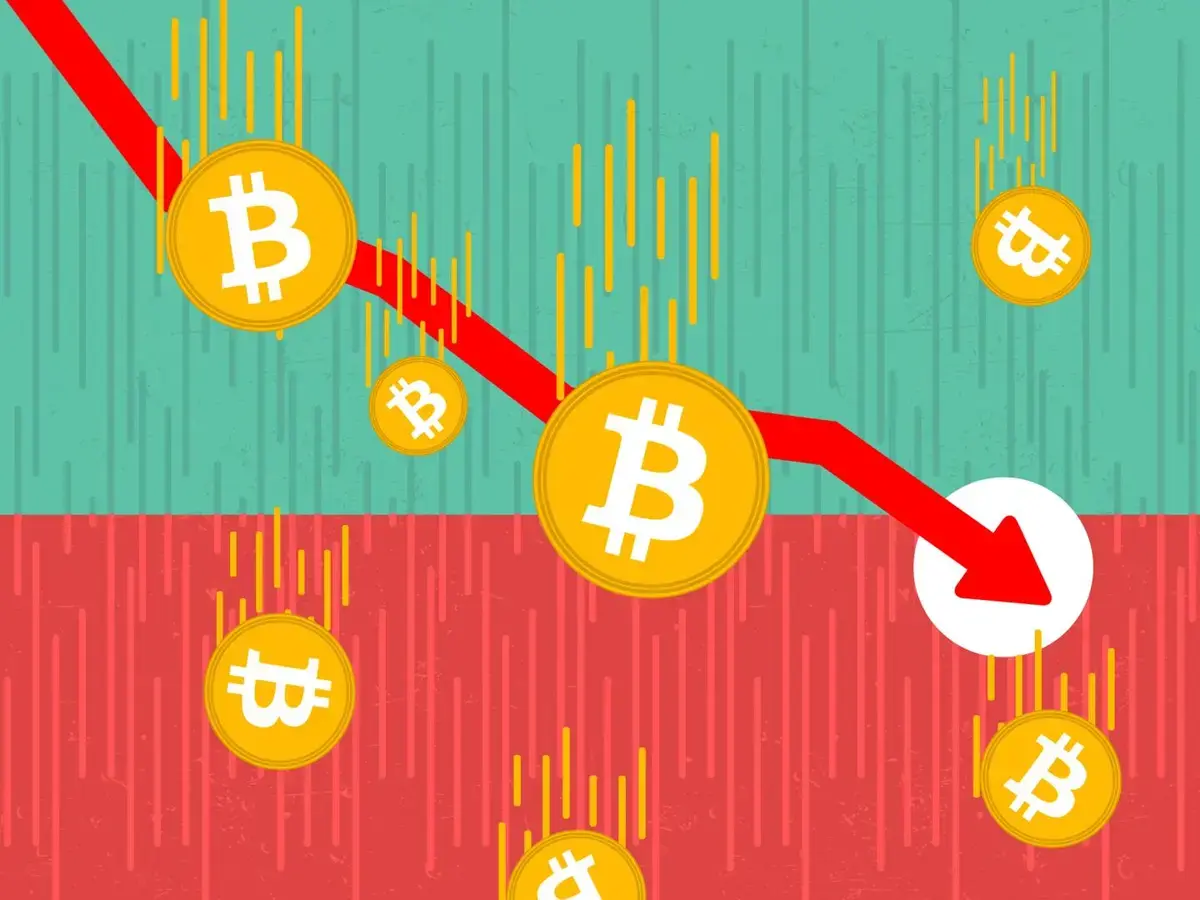
 Bitcoin Drops Below $82,000 After Hot US Inflation Data
 Kraken Parent Payward Acquires Saldo Bank for European Expansion
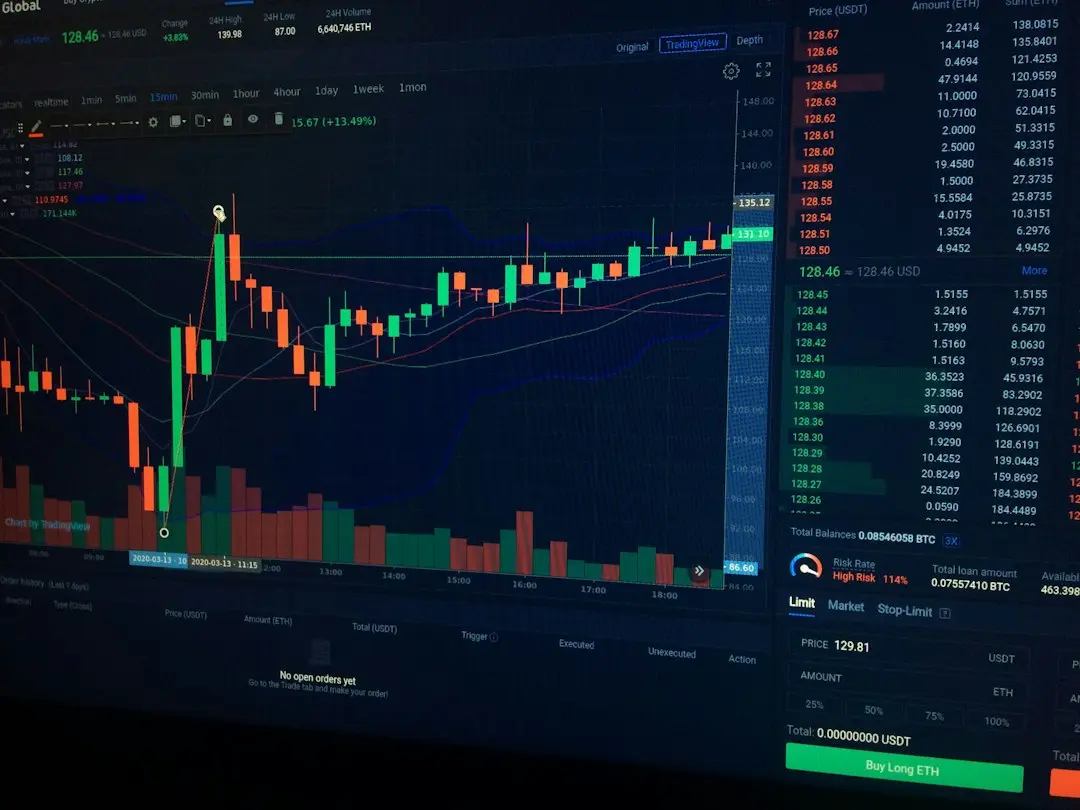 UK Trader Sues BitMEX Over 1,053 Losing Trades in £20 Million Claim
 EU Banking Regulator Seizes Direct Control of USDC Oversight
The confusion surrounding Bitcoin stems from its dual nature. On one hand, it was designed as a decentralized currency to enable peer-to-peer transactions without intermediaries. On the other hand, it has increasingly been viewed as a speculative investment, akin to gold. This dichotomy leads to inconsistent behavior in the market, making it difficult for investors to establish a clear strategy.
The debate over Bitcoin’s classification has significant implications. Proponents of Bitcoin as a currency argue that it should function like cash, facilitating everyday transactions. However, skeptics point out that its price volatility undermines its utility as a stable medium of exchange. In recent months, Bitcoin has experienced sharp price fluctuations, which further complicates its role in the financial ecosystem.
Is Bitcoin a Safe Haven or a Risky Gamble?
Market analysts note that Bitcoin’s identity crisis is exacerbated by regulatory uncertainty. Different jurisdictions have varying approaches to cryptocurrency regulation, creating a patchwork of laws that impact how Bitcoin is traded and used. This inconsistency can lead to investor hesitancy, as individuals and institutions navigate a complex landscape.
Investors are left wondering whether Bitcoin is a safe haven asset or a risky gamble. Some view it as a hedge against inflation, especially in times of economic uncertainty. Others caution that its speculative nature can lead to significant losses. This conflicting perspective complicates investment decisions and contributes to the overall volatility of the cryptocurrency market.
Looking ahead, the future of Bitcoin remains uncertain. As the market evolves, its identity may continue to shift, influenced by technological advancements, regulatory changes, and market dynamics. Investors must stay informed and adaptable to navigate this complex environment.
Frequently Asked Questions
What is Bitcoin's primary purpose? Bitcoin was originally designed as a decentralized digital currency for peer-to-peer transactions, allowing users to send money without intermediaries.
Why does Bitcoin's price fluctuate so much? Bitcoin's price is influenced by various factors, including market demand, investor sentiment, regulatory news, and its perception as either a currency or a speculative asset.
Can Bitcoin be considered a safe investment? While some investors see Bitcoin as a hedge against inflation, its high volatility makes it a risky investment. Caution is advised for those considering entering the market.