How Direct Payments Might Influence Crypto Demand
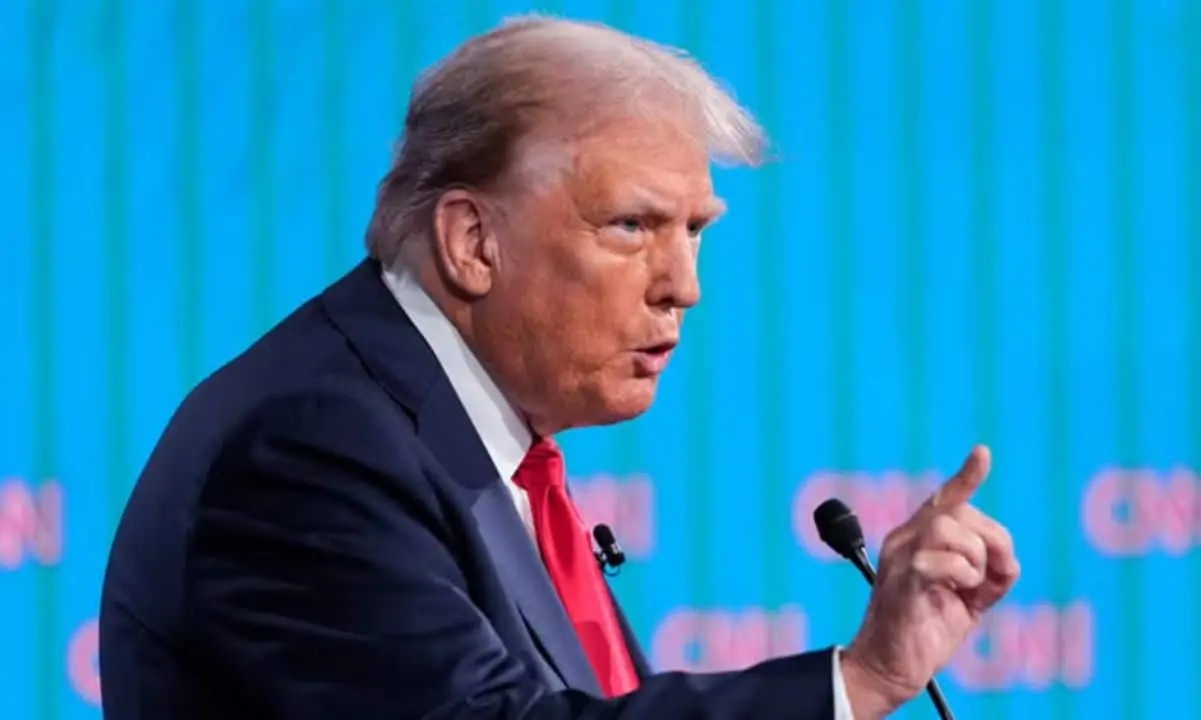
Former President Donald Trump has revived discussion around issuing $5,000 direct payments to American households, a proposal that could potentially funnel billions of dollars into Bitcoin and other cryptocurrencies if recipients choose to allocate part of the funds to digital assets. The idea, while not yet formal legislation, has gained traction in certain political and financial circles as a potential tool to stimulate consumer spending amid ongoing economic uncertainty. Analysts suggest that even a modest percentage of these checks being directed toward crypto could represent a significant inflow of liquidity into the market, reminiscent of the stimulus-driven surges seen during the pandemic era.
Breaking news
 Bitcoin Drops Below $82,000 After Hot US Inflation Data
 Kraken Parent Payward Acquires Saldo Bank for European Expansion
 UK Trader Sues BitMEX Over 1,053 Losing Trades in £20 Million Claim
 EU Banking Regulator Seizes Direct Control of USDC Oversight
If implemented, the $5,000 checks would represent a substantial increase over previous stimulus rounds, potentially reaching over 100 million households depending on eligibility criteria. Even if only 10% of recipients allocated $500 of their check to cryptocurrency, that could translate to roughly $50 billion in new demand for assets like Bitcoin and Ethereum. Proponents argue that such inflows could provide a powerful tailwind for crypto prices, particularly given the current market’s sensitivity to macroeconomic liquidity shifts. Critics, however, caution that past stimulus payments saw only a fraction of funds flow into speculative assets, with most used for essentials like rent, groceries, and debt repayment.
What Are the Risks of Counting on Crypto Stimulus?
A key limitation lies in the uncertainty surrounding recipient behavior. Surveys from earlier stimulus periods showed that while younger, higher-income individuals were more likely to invest in crypto, the broader population tended to prioritize immediate financial stability. Additionally, the proposal faces significant political hurdles, with no clear path to congressional approval and opposition from fiscal conservatives concerned about inflationary impacts. Financial regulators have also expressed concern that sudden inflows into volatile assets could exacerbate market instability, particularly if leveraged trading amplifies price swings.
Would these checks definitely lead to more money going into Bitcoin? Not necessarily. While some recipients might choose to invest in cryptocurrency, historical data suggests most stimulus funds are used for essential expenses, and only a portion typically flows into speculative assets like Bitcoin.
Frequently Asked Questions
Could this proposal actually become law? As of now, the idea remains a political proposal without formal legislative backing. It would require approval from Congress, which faces significant partisan divides over spending and inflation concerns, making enactment uncertain.
How large could the potential crypto inflow be? If 10% of 100 million households allocated just $500 of a $5,000 check to crypto, it could generate around $50 billion in new demand—though actual figures would depend on eligibility, uptake, and market conditions at the time of distribution.

