The Role of Mining Beyond 21 Million
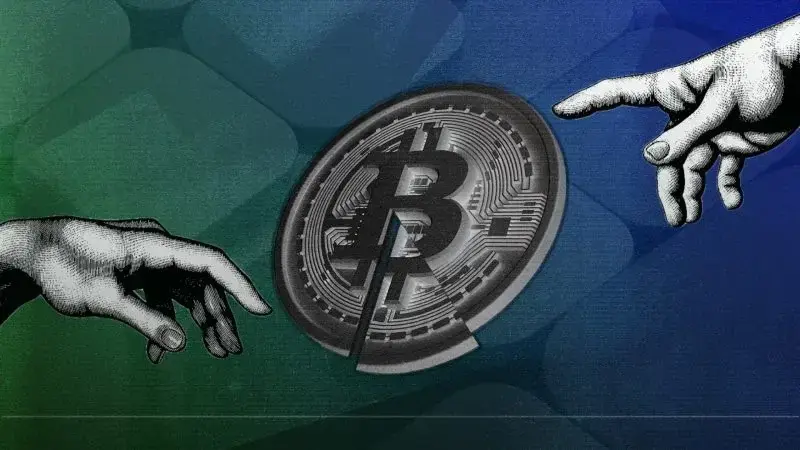
Bitcoin's creator, Satoshi Nakamoto, set a limit of 21 million coins, a cap built into the network's code. The total supply is hardcoded to prevent inflation and ensure scarcity. Once all coins are mined, no new bitcoin will be created.
Breaking news
 Injective Seeks SEC Approval for Onchain Trading of Tokenized Stocks
 Bitcoin Hits $61,000 as Short Sellers Face $117 Million in Liquidations
 Bitcoin’s Dormant Supply Hits 68.5% as Price Stalls Near $60,000
 Bitcoin ETFs Bleed $3.05B in Seven Days as November Outflows Hit $5.39B
The bitcoin network is designed to operate through a process called mining, where transactions are verified and added to a public ledger called the blockchain. Miners compete to solve complex mathematical problems, and the first to solve it gets to add a new block of transactions to the blockchain and is rewarded with newly minted bitcoin.
Will the Network Survive Without New Coins?
As the supply of new bitcoin dwindles, miners will rely increasingly on transaction fees to sustain their operations. Currently, miners are incentivized by a combination of newly minted bitcoin and transaction fees, but when the supply cap is reached, transaction fees will become the primary source of revenue.
The bitcoin network is expected to continue operating much as it does today, with miners verifying transactions and maintaining the blockchain. The security of the network is not solely dependent on the creation of new bitcoin, but also on the collective computing power of miners and the incentive structure that keeps them honest.
Frequently Asked Questions
The absence of new bitcoin will likely lead to changes in the way miners operate and the way the network is secured. As the industry adapts to the new landscape, it is likely that transaction fees will rise to compensate miners for their work.
What happens to bitcoin mining when all 21 million coins are mined? Miners will continue to verify transactions and maintain the blockchain, relying on transaction fees for revenue. Will the bitcoin network stop working when the supply cap is reached? No, the network is expected to continue operating as usual. Will transaction fees rise when new bitcoin are no longer created? Yes, as miners rely more heavily on fees to sustain their operations.


