Regulatory Framework for Digital Asset Custody
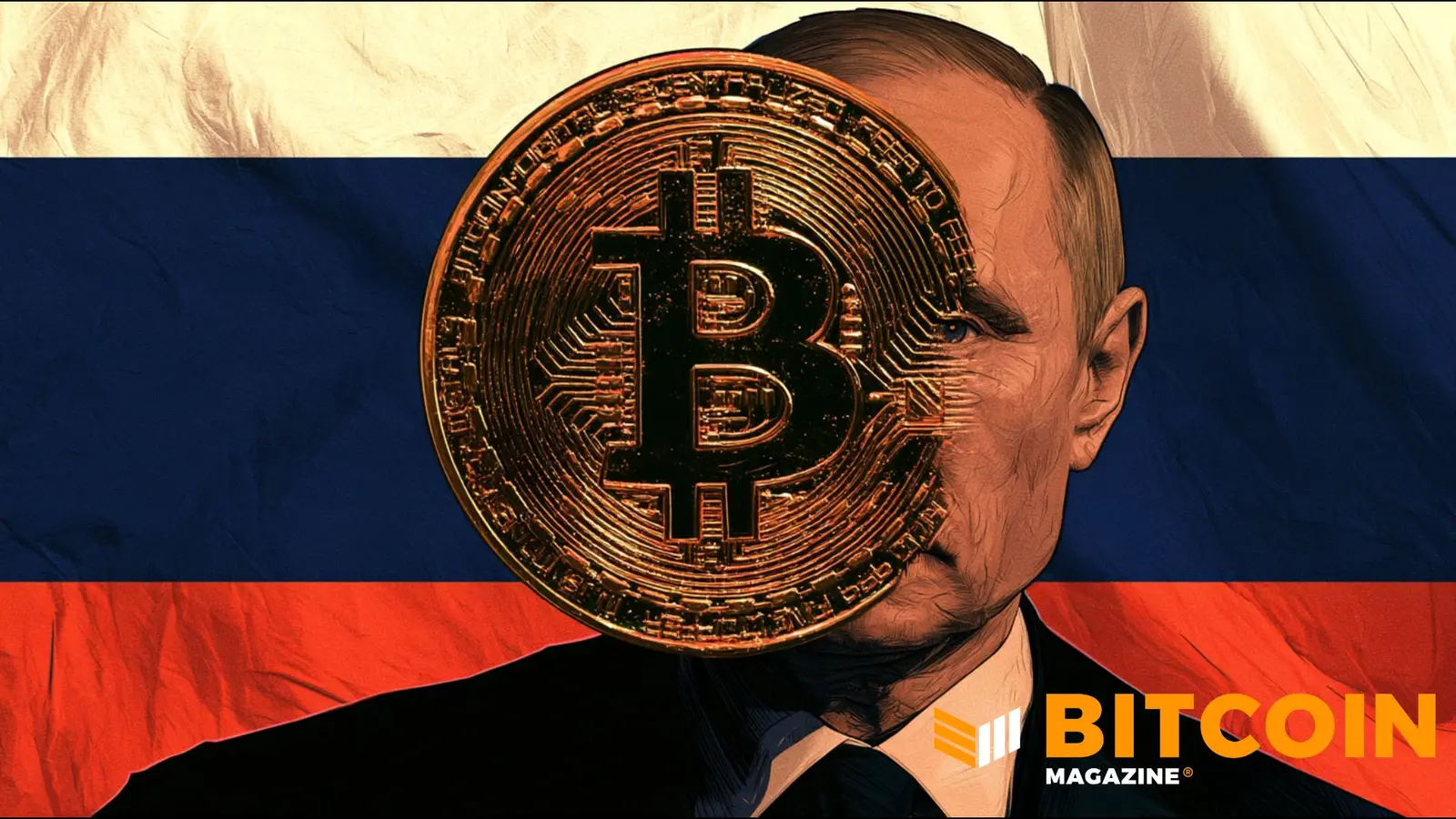
Sberbank, the largest financial institution in Russia, has officially received regulatory clearance to custody digital assets. This milestone marks a significant shift for the country’s banking sector. The approval positions Sberbank as the first major Russian bank authorized to hold cryptocurrencies on behalf of clients. The move signals growing institutional acceptance of blockchain technology within the Russian financial system. Regulators have granted specific permissions for the bank to manage these new asset classes securely.
Breaking news
 Bitcoin Drops Below $82,000 After Hot US Inflation Data
 Kraken Parent Payward Acquires Saldo Bank for European Expansion
 UK Trader Sues BitMEX Over 1,053 Losing Trades in £20 Million Claim
 EU Banking Regulator Seizes Direct Control of USDC Oversight
The decision reflects a broader trend of integration between traditional finance and decentralized networks. By allowing a state-owned giant to handle Bitcoin, Russian authorities aim to formalize the market. This step reduces ambiguity for investors and corporate entities looking to store crypto assets safely. It also establishes a framework for how large banks can interact with digital ledgers without violating existing banking laws. The process involves strict compliance checks and operational adjustments to ensure security standards are met.
The approval was part of a pilot program designed to test the waters for digital asset management. Russian regulators worked closely with Sberbank to define the rules for custody operations. These rules dictate how banks must store private keys and monitor transactions. The goal is to create a transparent environment that protects client funds while enabling innovation. Other banks may follow suit if this initial phase proves successful and stable. The central bank emphasized that custody does not imply lending or trading, only safekeeping. This distinction helps maintain the stability of the traditional banking reserve system.
What Does This Mean for Crypto Adoption?
Sberbank stated that the license allows them to offer custody services to qualified institutional clients. Retail customers might gain access in later stages of the rollout. The bank has already built internal infrastructure to support these operations. Security protocols include multi-signature wallets and cold storage solutions. These measures mitigate risks associated with hacking or internal fraud. The financial sector views this as a critical step toward competing with global fintech firms.
This development could accelerate the adoption of Bitcoin and other cryptocurrencies in Russia. Institutional backing often lends credibility to an asset class. Investors may feel more confident storing their holdings with a regulated entity. The presence of a top-tier bank in the space encourages other financial players to explore similar opportunities. It also sets a precedent for future regulations regarding digital asset exchanges and trading platforms. As more banks seek approval, the market for professional custody services will likely expand rapidly.
Frequently Asked Questions
The outcome of this pilot phase will determine the next steps for the Russian crypto market. If Sberbank operates smoothly, regulators may extend similar licenses to other major banks. This could lead to a fully integrated ecosystem where fiat and digital currencies coexist seamlessly. For now, Sberbank stands alone as the pioneer in this domain. Its performance will be closely watched by both domestic stakeholders and international observers. The success of this initiative could reshape how Russia approaches its monetary policy and financial inclusion strategies in the coming years.
Is Sberbank the only bank allowed to custody Bitcoin? Currently, yes. Sberbank is the first and only Russian bank to receive this specific regulatory approval. Other institutions may apply for similar licenses in the future.
Can individual investors use this service immediately? Not necessarily. The initial phase focuses on institutional clients. Retail access may be introduced later after further testing and review.

