Ueno Bank's Rapid Rise and Collapse
Ueno Bank grew quickly from a small fintech firm. It amassed about three million clients in Paraguay's 6.5 million population. The bank managed an estimated $850 million in public funds, including pension assets. Regulators intervened after Ueno failed minimum solvency requirements. The central bank found Ueno's financial adjustments dropped its solvency ratio below the legal threshold.
Breaking news
 Injective Seeks SEC Approval for Onchain Trading of Tokenized Stocks
 Bitcoin Hits $61,000 as Short Sellers Face $117 Million in Liquidations
 Bitcoin’s Dormant Supply Hits 68.5% as Price Stalls Near $60,000
 Bitcoin ETFs Bleed $3.05B in Seven Days as November Outflows Hit $5.39B
Underlying Concerns and Political Fallout
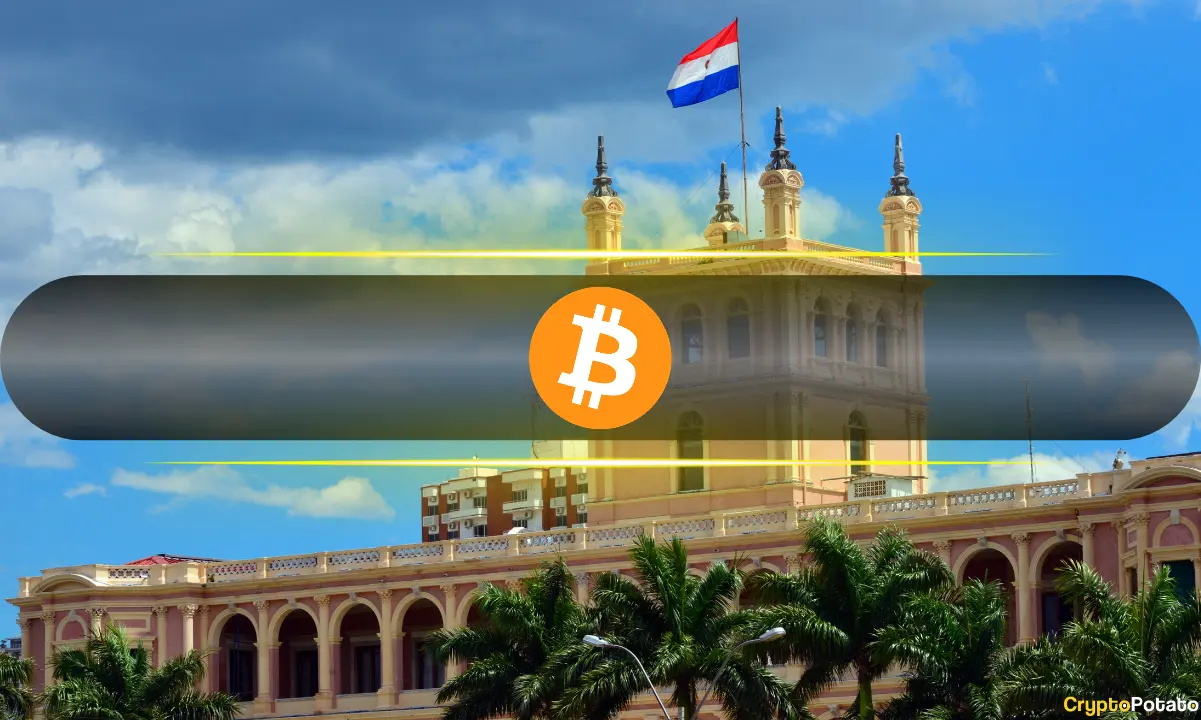
Investigations revealed excessive lending to companies linked to major shareholder Grupo Vázquez. Insufficient documentation and misrecorded assets were also found. Prosecutors charged bank executives and associates. High-ranking leaders were detained. The crisis involved politics. President Santiago Peña previously held a stake in Grupo Vázquez, though he claims selling it in March 2025. Former central bank chief Carlos Carvallo previously led Ueno. Peña offered his resignation, but the legislature rejected it.
Impact on Ordinary Citizens
For regular citizens, the immediate issue was inaccessibility of funds. Ueno's app, cards, and transactions completely stopped. Demand for digital services strained other banks too. The Paraguayan central bank began paying deposit guarantees. Deposits are protected up to ₲228.3 million (about $37,000) per holder, per institution. Initial compensation payments have been made.
Bitcoin as a Potential Alternative
Bitcoin offers a potential solution, though not a simple fix. Its key benefit is self-custody. Holders of BTC in their own wallets do not need Ueno's or any central authority's permission. A failing bank cannot legally freeze BTC held outside its infrastructure. Bitcoin also provides an alternative international transfer channel, bypassing stalled banking systems. This is vital during institutional distrust.
Practical Hurdles Remain
Buying Bitcoin usually requires banking platforms. This step can be avoided but demands advanced technical knowledge most consumers lack. Purchasing requires stable internet and wallet security. Self-custody carries risks; losing private keys means no deposit guarantee fund exists.
Conclusion on Decentralization
Bitcoin is not a universal cure for the Ueno crisis. However, it clearly illustrates its core function. It provides an alternative asset kept without relying on a commercial bank as the ultimate guarantor. This principle of decentralization offers a vital alternative to centralized financial system vulnerabilities.


