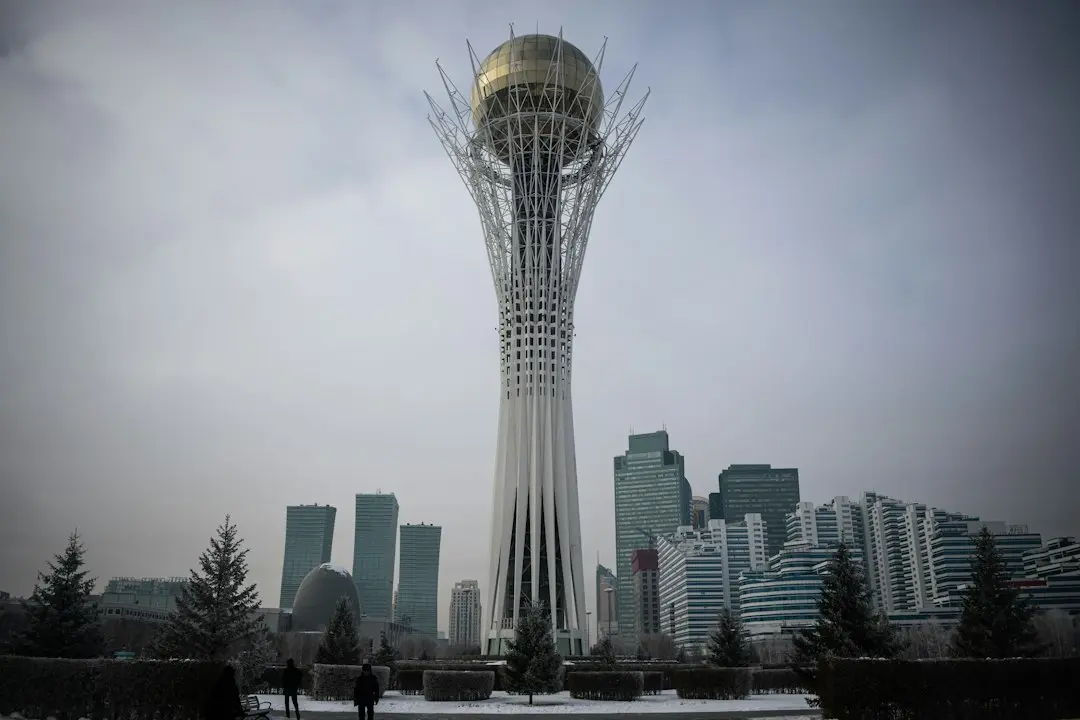
How Does Flare Gas Power Mining Operations?
Kazakhstan is actively seeking to attract cryptocurrency miners by utilizing flared natural gas from oil fields as a power source, aiming to revive its mining sector after previous regulatory crackdowns. The initiative, announced in late September 2026, targets oil-producing regions where excess gas is routinely burned off, offering miners a low-cost and environmentally preferable energy alternative. Government officials say the program aligns with broader efforts to monetize wasted energy resources while reducing emissions from flaring.
Breaking news
 Bitcoin Drops Below $82,000 After Hot US Inflation Data
 Kraken Parent Payward Acquires Saldo Bank for European Expansion
 UK Trader Sues BitMEX Over 1,053 Losing Trades in £20 Million Claim
 EU Banking Regulator Seizes Direct Control of USDC Oversight
The country’s energy ministry is developing incentives for mining operations that install modular data centers near flare sites, converting otherwise wasted gas into electricity. This approach not only addresses environmental concerns tied to routine flaring but also provides miners with access to cheap power in a nation rich in fossil fuel reserves. Officials note that similar models have been tested in Russia and the United States, but Kazakhstan aims to scale the concept nationally through public-private partnerships. A pilot project in the western Atyrau region is expected to launch by early 2027, with potential to generate up to 200 megawatts from captured flare gas.
What Challenges Could Slow Adoption?
Flare gas, typically burned during oil extraction, is captured and fed into on-site generators that produce electricity for mining hardware. By locating mining facilities directly at flare points, operators avoid transmission losses and reduce reliance on the national grid. The process involves conditioning the gas to remove impurities before combustion, ensuring stable power output for energy-intensive mining rigs. Early estimates suggest operational costs could be up to 40% lower than grid-connected mining, making Kazakhstan increasingly competitive in global hash rate markets.
Despite the promise, obstacles remain, including the need for significant upfront investment in gas capture and generation infrastructure. Regulatory clarity around cryptocurrency activities continues to evolve, and miners remain cautious after the 2021 mining ban that followed grid instability concerns. Environmental groups also warn that relying on fossil fuels, even flared gas, may prolong dependence on hydrocarbons. Authorities respond that the initiative is transitional, aiming to reduce waste while longer-term renewable integration is pursued.
Is using flare gas for crypto mining environmentally beneficial? Yes, it reduces methane emissions from flaring and utilizes waste energy, though it still involves fossil fuel combustion.
Frequently Asked Questions
Will miners receive tax breaks or subsidies? The government is considering preferential electricity rates and streamlined permitting, but final incentive packages are under review.
Can this model work in other Kazakh regions? Potential exists in major oil-producing areas like Tengiz and Karachaganak, depending on gas volume and infrastructure readiness.

