Hydro Shortages Expose Mining Vulnerabilities
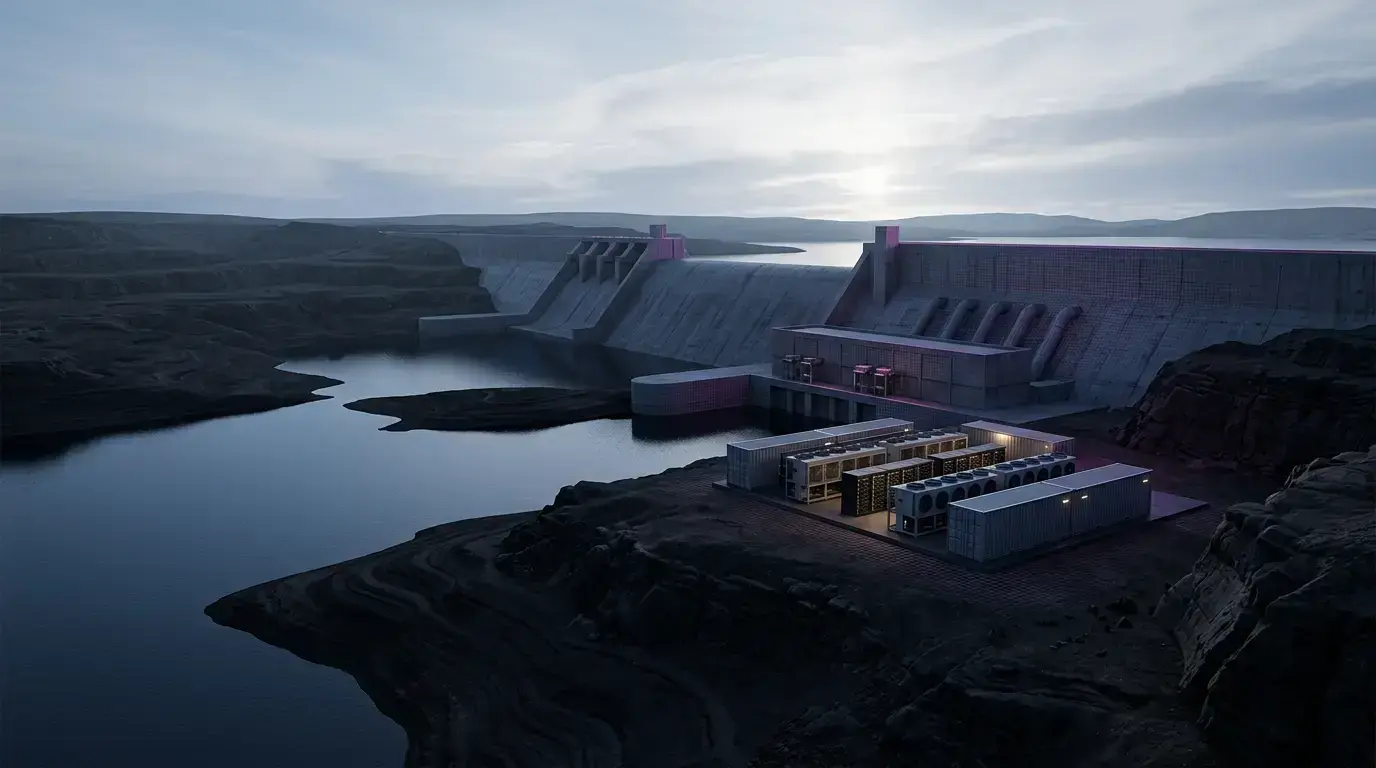
Ethiopia’s state utility slashed electricity to Bitcoin mining firms by 75%. This drastic reduction leaves operators with only 23% of their contracted supply. The move exposes the fragility of relying on hydropower for crypto operations. Miners who promised green energy now struggle to keep machines running. This event challenges the narrative that Bitcoin can be powered cleanly and reliably.
Breaking news
 Bitcoin Drops Below $82,000 After Hot US Inflation Data
 Kraken Parent Payward Acquires Saldo Bank for European Expansion
 UK Trader Sues BitMEX Over 1,053 Losing Trades in £20 Million Claim
 EU Banking Regulator Seizes Direct Control of USDC Oversight
The state utility, Ethiopian Electric Power, implemented these cuts abruptly. Operators had previously secured agreements for significant power volumes. These deals were marketed as environmentally friendly due to the hydroelectric source. However, recent water shortages have disrupted the supply chain. The utility prioritized residential and industrial needs over data centers. This shift highlights the operational risks inherent in renewable energy dependencies.
Bitcoin miners have long touted Ethiopia’s abundant hydropower as a solution. They argued that using excess water power would minimize carbon emissions. This pitch attracted global interest in the country’s mining sector. Yet, the current crisis reveals a critical flaw in this model. When water levels drop, the entire power grid suffers. Miners cannot easily switch to alternative fuels without massive capital investment. The reliance on a single energy source creates a single point of failure.
Can Crypto Survive Renewable Energy Fluctuations?
The reduction to 23% of contracted supply is devastating for profitability. Mining requires consistent, high-volume electricity to remain competitive. With such limited power, hash rates drop significantly. Operators face rising costs per unit of Bitcoin produced. Many may find their operations economically unviable in the short term. This situation forces a reevaluation of business strategies in the region.
The incident raises broader questions about energy stability. Renewable sources like hydro and solar are variable by nature. They depend on weather patterns and seasonal changes. While clean, they do not always provide steady baseload power. Miners in other countries face similar challenges with intermittent renewables. The Ethiopian case is particularly stark due to the scale of the cut. It demonstrates that green energy is not a guarantee of operational continuity.
Industry experts note that diversification is key. Relying solely on one type of renewable power is risky. A mix of sources, including gas or nuclear, might offer more stability. However, this contradicts the pure green energy narrative. Miners must balance environmental claims with practical reliability. The current crisis tests the limits of this balance.
Frequently Asked Questions
Why did Ethiopia cut power to miners? The state utility reduced supply due to water shortages affecting hydropower generation. Residential and other industrial needs took priority over data centers.
How much power do miners receive now? Operators currently receive approximately 23% of their contracted electricity supply. This represents a 75% reduction from previous levels.
Does this end Bitcoin mining in Ethiopia? It does not end mining, but it severely impacts profitability. Miners must adapt or find alternative power sources to continue operations.

