Decoding the Fear & Greed Index
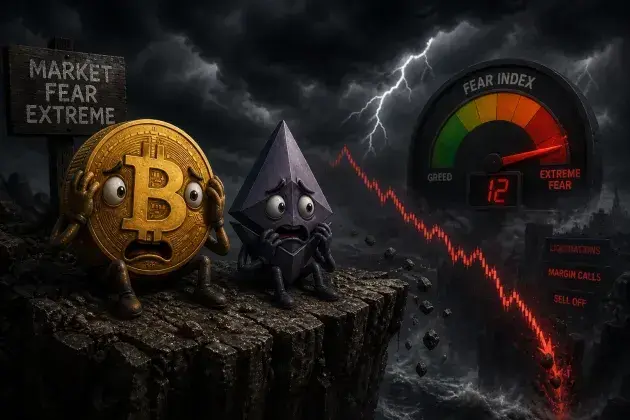
Cryptocurrency markets remain unsettled after a difficult April. Bitcoin and Ethereum, the two largest digital assets, experienced significant price drops. Investors are cautiously watching for signs of recovery. The market’s fear gauge suggests lingering anxiety among traders.
Breaking news
 Bitcoin Drops Below $82,000 After Hot US Inflation Data
 Kraken Parent Payward Acquires Saldo Bank for European Expansion
 UK Trader Sues BitMEX Over 1,053 Losing Trades in £20 Million Claim
 EU Banking Regulator Seizes Direct Control of USDC Oversight
The crypto sector faced considerable selling pressure last month. This led to both Bitcoin and Ethereum hitting recent lows. Despite some stabilization, uncertainty persists. The Crypto Fear & Greed Index reflects this sentiment, currently indicating a state of fear. This index measures market sentiment based on volatility, social media, and other factors.
Alternative.me’s index provides a snapshot of investor psychology. Currently, the index sits in the „fear” category. This suggests that investors are more inclined to sell than buy. A score below 20 typically indicates extreme fear. This level often precedes potential market rebounds, as panic selling may exhaust itself. However, there’s no guarantee of an immediate turnaround.
Will Institutional Investors Return?
The recent downturn wasn’t isolated. Broader macroeconomic factors contributed to the pressure. Rising interest rates and concerns about inflation impacted risk assets, including cryptocurrencies. Geopolitical instability also played a role. Investors tend to reduce exposure to volatile assets during times of uncertainty.
A key question is whether institutional investors will re-enter the market. Their participation is crucial for sustained price appreciation. Some analysts believe that the recent price declines may attract long-term investors. They see Bitcoin and Ethereum as undervalued assets with significant growth potential. However, regulatory clarity remains a major hurdle. Unclear regulations create uncertainty and deter institutional investment.
The market is closely monitoring regulatory developments worldwide. Increased scrutiny from governments could either stifle innovation or provide a framework for wider adoption. The outcome will significantly impact the future of the crypto industry. Many believe that clear rules are essential for fostering trust and attracting mainstream investors.
The current situation presents both risks and opportunities. While short-term volatility is likely to continue, some experts remain optimistic about the long-term prospects of Bitcoin and Ethereum. They point to the underlying technology and growing adoption as positive indicators. However, investors should exercise caution and conduct thorough research before making any investment decisions. The crypto market remains inherently risky.
Frequently Asked Questions
What does the Crypto Fear & Greed Index actually measure? The index gauges market sentiment by analyzing factors like price volatility, market momentum, and social media activity. It aims to determine if investors are driven by fear or greed, providing a contrarian indicator for potential market movements.
How do macroeconomic conditions affect crypto prices? Rising interest rates and inflation typically reduce investor appetite for risk assets like cryptocurrencies. Economic uncertainty also prompts investors to seek safer investments, leading to selling pressure on volatile assets.
Is now a good time to buy Bitcoin or Ethereum? That depends on your risk tolerance and investment goals. While prices are down, the market remains volatile. Thorough research and careful consideration are essential before investing in any cryptocurrency.