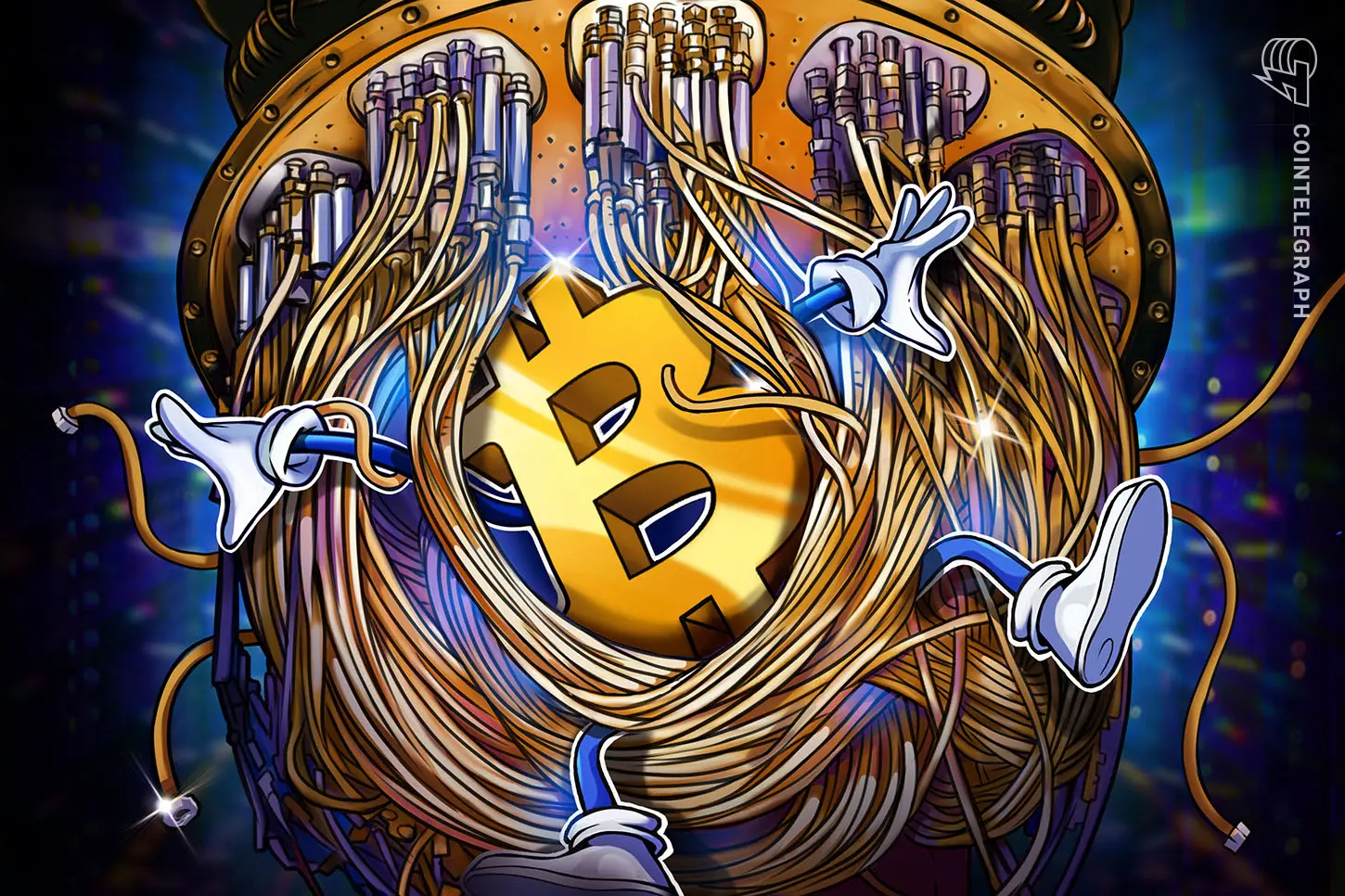
Quantum Computing’s Looming Threat to Bitcoin’s Core
The cryptocurrency market is confronting a new set of challenges. Bitcoin’s cryptographic defenses are under scrutiny from emerging quantum computing capabilities, while Ripple has secured a U. S. banking charter, and the stablecoin USDC is gaining traction across European markets. These developments converge as regulators and investors reassess risk and opportunity in the digital asset space.
Breaking news
 Injective Seeks SEC Approval for Onchain Trading of Tokenized Stocks
 Bitcoin Hits $61,000 as Short Sellers Face $117 Million in Liquidations
 Bitcoin’s Dormant Supply Hits 68.5% as Price Stalls Near $60,000
 Bitcoin ETFs Bleed $3.05B in Seven Days as November Outflows Hit $5.39B
Bitcoin’s core security relies on elliptic‑curve cryptography, a method vulnerable to attacks by sufficiently powerful quantum computers. Researchers warn that advances in quantum hardware could, within a decade, render Bitcoin’s private keys exposed, threatening the network’s integrity. At the same time, Ripple’s newly approved charter grants it direct access to the U. S. banking system, potentially reshaping cross‑border payments. Meanwhile, USDC, the fiat‑backed stablecoin issued by Circle, is seeing increased adoption by European fintech firms seeking a regulated alternative to traditional banking services.
The concern stems from the theoretical ability of quantum algorithms, such as Shor’s algorithm, to solve the mathematical problems that protect Bitcoin addresses. While current quantum machines remain far from the scale required for such attacks, experts caution that the rapid pace of research could close the gap sooner than expected. „If a quantum computer capable of breaking elliptic‑curve signatures emerges, the entire Bitcoin ecosystem could be compromised,” said Dr. Elena Morales, a cryptography professor at Stanford University. She added that the industry must consider proactive upgrades, such as transitioning to quantum‑resistant signatures, before the threat becomes practical.
Ripple’s Banking Charter: A Game‑Changer for Global Payments?
Investors are already reacting. Some institutional funds have reduced exposure to Bitcoin, reallocating capital toward assets perceived as less vulnerable, like Ethereum’s upcoming post‑quantum upgrades or newer blockchains built on lattice‑based cryptography. The market’s response underscores a growing awareness that security risks can translate into tangible financial consequences.
Ripple’s achievement marks the first time a major crypto firm has obtained a full banking charter in the United States. The move enables Ripple to offer regulated payment services directly, bypassing traditional intermediaries. „This charter validates Ripple’s compliance framework and opens doors for broader institutional adoption,” noted Maya Patel, senior analyst at Global Finance Insights. The charter also positions Ripple to compete more aggressively with legacy payment networks like SWIFT, especially in regions where cross‑border transaction costs remain high.
The charter could accelerate Ripple’s integration with existing financial infrastructure, fostering faster settlement times and lower fees. However, regulators remain vigilant, monitoring the firm’s anti‑money‑laundering controls and ensuring that the new status does not create systemic risk.
USDC’s European Surge: Stablecoins Find New Ground
In Europe, USDC is emerging as a preferred stablecoin for businesses seeking a regulated digital currency. Circle’s partnership with several European banks has facilitated seamless fiat on‑ramps, allowing merchants to accept USDC without navigating complex compliance regimes. „USDC offers the stability of the dollar with the efficiency of blockchain, making it attractive for cross‑border trade,” explained Luca Bianchi, head of digital assets at a Berlin fintech startup.
The growth of USDC aligns with the European Union’s evolving regulatory framework for crypto assets, which aims to provide clarity while safeguarding consumers. As stablecoins gain legitimacy, they could reshape payment ecosystems, offering faster, cheaper alternatives to traditional bank transfers.
The convergence of quantum risk, regulatory breakthroughs, and stablecoin adoption signals a pivotal moment for the crypto industry. Bitcoin must confront its security vulnerabilities, while Ripple and USDC illustrate how compliance and innovation can drive mainstream acceptance. The next few years will likely determine whether the sector can adapt to these pressures or face a reshaping of its foundational assets.
Frequently Asked Questions
How soon could quantum computers threaten Bitcoin? Most experts agree that practical quantum attacks on Bitcoin are unlikely within the next five years, but the window could close within a decade as technology advances.
What does Ripple’s banking charter mean for everyday users? The charter could lead to faster, cheaper international transfers and more direct integration of Ripple’s services into traditional banking apps.
Is USDC safe to use in Europe? USDC is backed by dollar reserves and regulated partnerships with European banks, offering a stable and compliant option for digital transactions.


