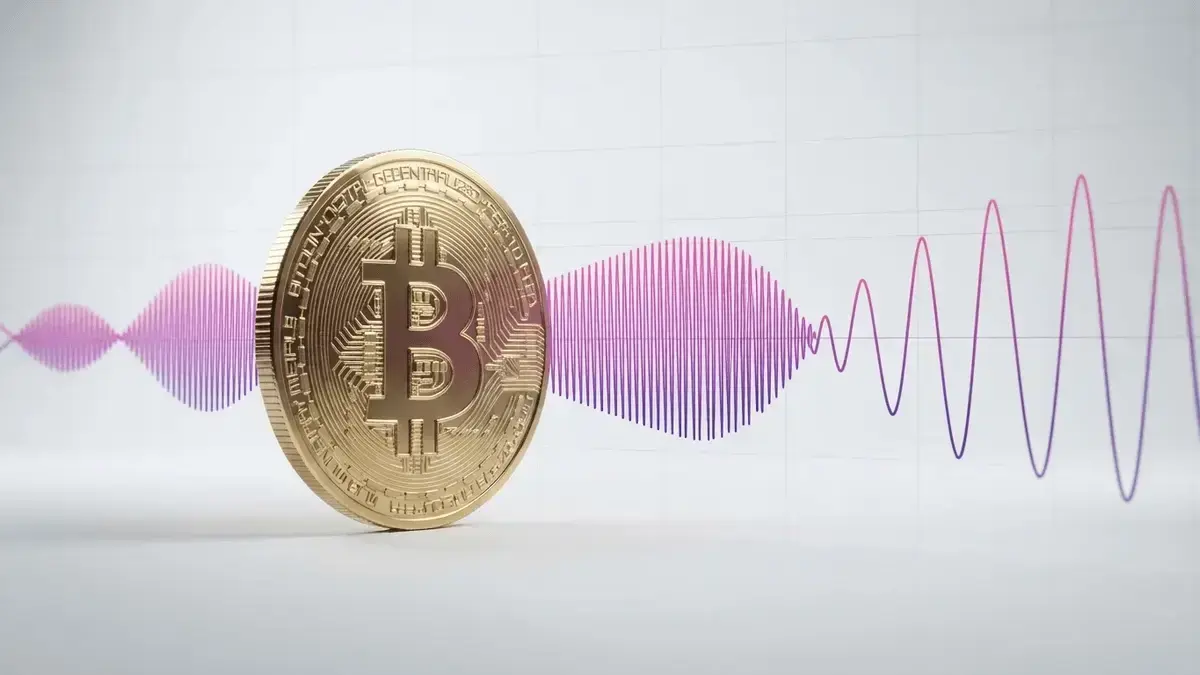
A Calm Before the Storm?
Bitcoin's price has become unusually stable, with its realized volatility dropping to a level not seen since 2016. This significant decrease places Bitcoin in the bottom 8% of its historical volatility range. The cryptocurrency market is known for its unpredictability, making this calm period noteworthy.
Breaking news
 Investment Activity Surges in Global Cryptocurrency Markets
 Bitcoin Faces Resistance Near Record Highs as Crypto Infrastructure Recovers
 Wall Street Giant Predicts Bitcoin Surge as New Crypto Funds Enter the Market
 Sleeping Ethereum Giants Stir After Years of Silence
The current low volatility is a result of a lack of significant price movements. When Bitcoin's price doesn't fluctuate much, it can lead to a decrease in trading activity. This, in turn, can cause a buildup of potential energy that may eventually be released in a significant price swing.
Historically, periods of low volatility have sometimes been followed by large price movements. This is because a lack of price action can lead to a compression of volatility, which can then be released in a significant event. Some market participants are worried that this could lead to liquidations, particularly if the price moves suddenly and unexpectedly.
Will Low Volatility Trigger a Big Move?
The current low volatility has sparked concerns among traders and investors. If the price were to move suddenly, it could trigger a wave of liquidations, particularly among leveraged positions. This could, in turn, exacerbate the price movement, leading to a significant swing.
As a result, market participants are bracing themselves for a potential price movement. The direction of this movement is uncertain, but it is clear that the current calm is unlikely to last forever.
Frequently Asked Questions
What is realized volatility? Realized volatility measures the actual price movements of an asset over a given period. It provides a historical perspective on an asset's price fluctuations.
Why is low volatility a concern? Low volatility can be a concern because it can lead to a buildup of potential energy that may eventually be released in a significant price swing.
Can low volatility lead to liquidations?