
Oil Prices Drive Risk Aversion in Crypto Sectors
Bitcoin trading remained stagnant on Friday, hovering closely around the $81,500 mark. This flat performance follows a period of intense volatility that shook digital asset markets over the previous forty-eight hours. The cryptocurrency is now positioned to record its first monthly decline since July. A sharp increase in crude oil prices has triggered broader uncertainty across global financial sectors. Investors are reacting cautiously to the shifting macroeconomic landscape.
Breaking news
 Bitcoin seeks support above $81K as Brent crude oil hits highest level since March
 Bitcoin ETFs Shed $635 Million Amid Oil Price Surge
 Agora Explains How Initia Exploit Drained Third-Party AUSD Bridge
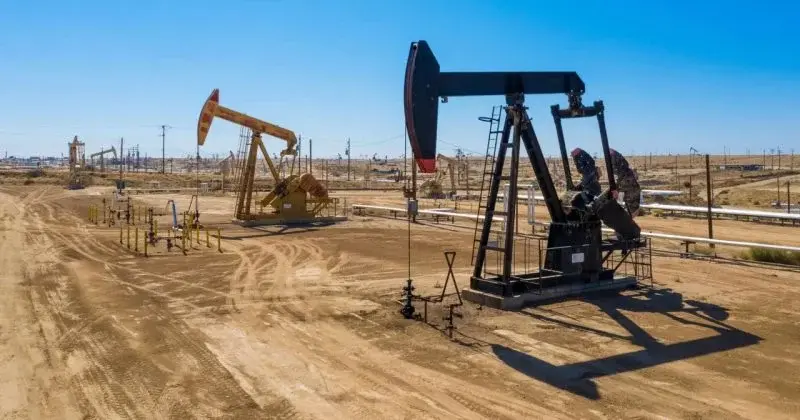 Oil Prices Push Crypto Into Defensive Mode
The stagnation in digital assets reflects a wider risk-off sentiment. Higher energy costs often signal inflationary pressures that can impact central bank policies. Market participants are watching how these factors influence liquidity and growth expectations. Bitcoin’s thirty-day market capitalization has dropped by three percent. It now stands at approximately one point six four trillion dollars. This contraction highlights the fragility of current price levels. Traders are waiting for clearer signals before committing to new positions.
The correlation between traditional commodities and digital assets has become more pronounced. An oil surge typically indicates supply constraints or geopolitical tension. These conditions encourage investors to seek safer havens or hold cash. Consequently, speculative flows out of high-beta assets like Bitcoin decrease. The market experienced significant long liquidations during the recent volatility spike. These forced sell-offs pushed prices lower before they stabilized. The resulting price action left the market without clear momentum. Traders are now analyzing whether the current range represents a consolidation phase or a breakout setup.
Can Bitcoin Break Free From Its Trading Range?
Market analysts note that the interplay between energy costs and tech stocks is critical. When oil prices rise, corporate profit margins may face pressure. This dynamic can reduce investor appetite for growth-oriented sectors, including cryptocurrencies. The lack of directional movement suggests a market in equilibrium. Participants are balancing conflicting economic data points. Inflation fears compete with potential rate cut expectations. This tug-of-war keeps price discovery limited to a narrow band.
The path forward for Bitcoin depends heavily on external economic indicators. If oil prices stabilize, the pressure on global markets may ease. This could allow digital assets to regain their upward trajectory. Conversely, sustained energy inflation might prolong the bearish trend. Investors are monitoring upcoming economic reports for clues. The current flat trading session serves as a pause before the next move. Technical levels around eighty-one thousand dollars act as a psychological barrier. Breaking this level could trigger further selling or buying activity.
Frequently Asked Questions
Traders remain divided on the short-term outlook. Some believe the market needs time to digest recent shocks. Others argue that fundamental demand remains strong despite price dips. The coming weeks will test the resilience of current support levels. A decisive break in either direction would provide clarity. Until then, volatility is expected to remain elevated. Market participants should prepare for rapid shifts in sentiment. The interplay between commodity prices and digital assets will continue to define the trading environment.
Why is Bitcoin losing value this month? Bitcoin faces its first monthly drop since July due to high volatility and rising oil prices. These factors have increased uncertainty among global investors.
How does an oil surge affect crypto markets? Higher oil costs often signal inflation risks, which can lead investors to reduce exposure to risky assets. This shift in sentiment typically pressures cryptocurrency prices downward.