Decoupling Gains Traction
Robert Mitchnick, BlackRock’s head of digital assets, told investors on Monday that sentiment toward bitcoin is changing. The world’s largest cryptocurrency has hovered between $60,000 and $65,000 for more than two months, a price band that suggests a new stability. Mitchnick noted a „noticeable, but subtle” turn in market mood, hinting that the asset may be decoupling from traditional equities.
Breaking news
 Bitcoin Drops Below $82,000 After Hot US Inflation Data
 Kraken Parent Payward Acquires Saldo Bank for European Expansion
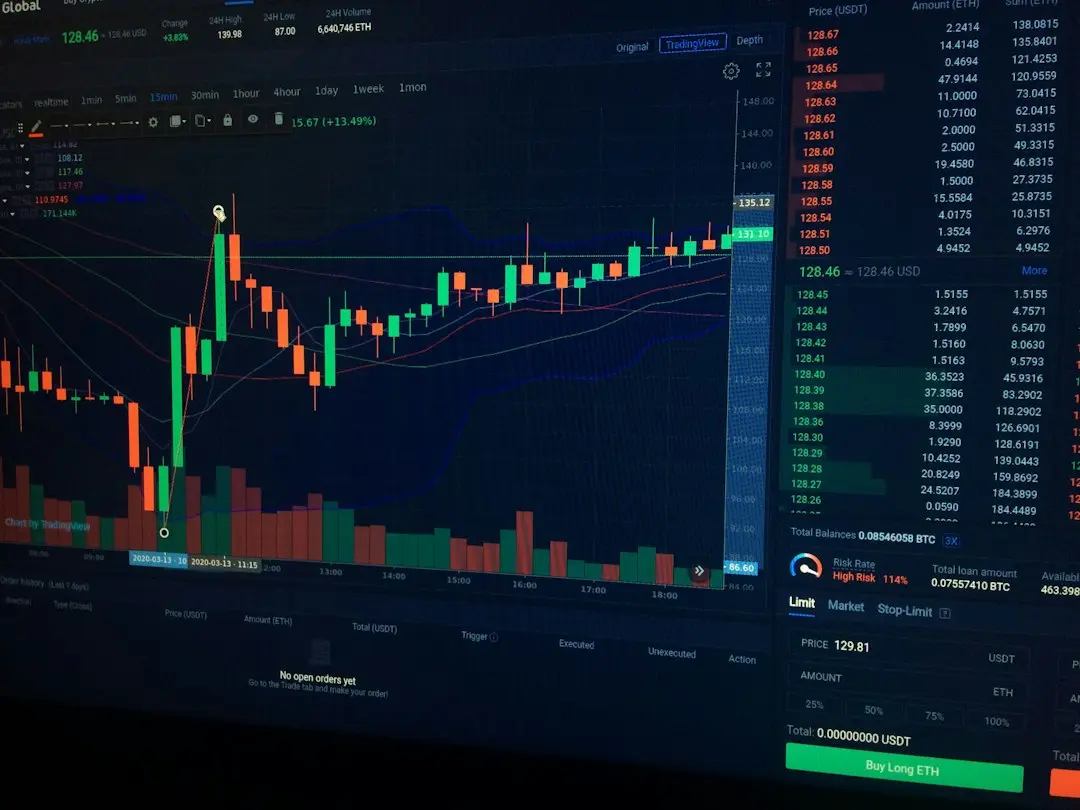 UK Trader Sues BitMEX Over 1,053 Losing Trades in £20 Million Claim
 EU Banking Regulator Seizes Direct Control of USDC Oversight
The shift reflects a broader trend where investors view bitcoin less as a speculative play tied to stock market swings and more as a distinct store of value. Analysts point to the prolonged price range as evidence that bitcoin is responding to its own fundamentals rather than broader market turbulence. Decoupling, according to Mitchnick, is „healthy” because it aligns with the thesis many hold that bitcoin can serve as an independent financial instrument.
In recent weeks, bitcoin’s price movements have shown limited correlation with major equity indices. When U. S. stocks rallied, bitcoin’s price remained steady; when equities fell, the cryptocurrency’s range barely shifted. This behavior supports the idea that institutional investors, including BlackRock, are treating bitcoin as a separate asset class. Mitchnick emphasized that the sentiment shift is subtle but real, noting that investors are beginning to „price in” the possibility that bitcoin can hold its own during market volatility. The stability in the $60k‑$65k corridor also reduces the risk premium many traders associate with the digital coin.
Is Bitcoin Finally Emerging From Stock Market Shadow?
The emerging independence raises questions about bitcoin’s long‑term role in diversified portfolios. If the decoupling persists, the cryptocurrency could attract more conservative investors seeking diversification beyond stocks and bonds. Mitchnick’s comments suggest that BlackRock is monitoring the trend closely, seeing it as a validation of the „digital gold” narrative that has gained traction among large asset managers. However, the market remains sensitive to regulatory news and macroeconomic shifts, meaning the perceived independence could be tested by future shocks.
Overall, the sentiment shift signals a maturing market where bitcoin is no longer viewed solely as a high‑risk speculative asset. As the price steadies and the link to equities loosens, investors may increasingly consider it a viable hedge against traditional market risks. BlackRock’s observation adds credibility to the notion that bitcoin is carving out a distinct niche, potentially reshaping how institutional capital allocates to digital assets.
Frequently Asked Questions
What does „decoupling” mean for bitcoin investors? Decoupling refers to bitcoin’s price moving independently of stock market trends, reducing its exposure to equity market volatility.
Why does BlackRock consider this shift „healthy”? A separate price trajectory suggests that bitcoin can function as a genuine store of value, aligning with investors’ expectations for a non‑correlated asset.
Could the price range of $60,000‑$65,000 continue? While the current band shows stability, future regulatory changes or macroeconomic events could push the price beyond this range.