Geopolitical Risk and Crypto Markets
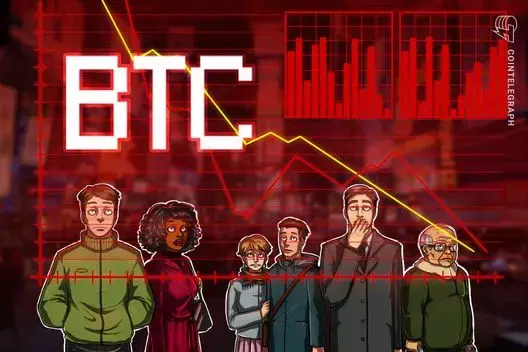
Bitcoin experienced a significant price decline Tuesday, falling below $66,000. This marks the largest single-day drop for the cryptocurrency since early February. The downturn coincided with escalating conflict between the United States and Iran, involving new military actions by both nations.
Breaking news
 Bitcoin Drops Below $82,000 After Hot US Inflation Data
 Kraken Parent Payward Acquires Saldo Bank for European Expansion
 UK Trader Sues BitMEX Over 1,053 Losing Trades in £20 Million Claim
 EU Banking Regulator Seizes Direct Control of USDC Oversight
The cryptocurrency lost over $4,500 in value during the trading day. Analysts suggest the price drop reflects increased investor anxiety. Global uncertainty often drives investors toward safer assets, impacting riskier investments like Bitcoin. The market reacted swiftly to news of the renewed strikes.
The recent exchange between the US and Iran involved targeted strikes. These actions heightened fears of a wider regional conflict. Bitcoin, while often touted as a hedge against traditional financial instability, proved vulnerable to these immediate geopolitical pressures. Investors quickly moved to reduce exposure to volatile assets.
Is Bitcoin’s ‘Safe Haven’ Status Overstated?
Historically, Bitcoin has sometimes benefited from periods of economic or political turmoil. However, this instance demonstrates that even cryptocurrencies aren’t immune to sudden shifts in global events. The speed of the decline suggests a „risk-off” sentiment prevailing in the market.
Some experts question whether Bitcoin can truly function as a safe haven asset. Traditional safe havens like gold and the US dollar often increase in value during times of crisis. Bitcoin’s performance Tuesday challenges this narrative. It highlights the importance of considering Bitcoin's relative maturity as an investment.
The cryptocurrency market remains highly speculative. It’s susceptible to rapid price swings based on news events and investor sentiment. This contrasts with established asset classes with longer track records and more predictable behavior. The current situation could lead to a reassessment of Bitcoin's role in investment portfolios.
Frequently Asked Questions
The immediate consequences of this price drop are likely to be increased volatility. Investors should expect continued fluctuations in the short term. The long-term outlook for Bitcoin remains uncertain, dependent on both market conditions and the evolving geopolitical landscape. A de-escalation of tensions could help stabilize prices, but further conflict could exacerbate the downward trend.
What triggered the Bitcoin price drop? The primary driver was escalating tensions between the US and Iran, with both countries launching new military strikes. This increased global uncertainty prompted investors to sell off riskier assets, including Bitcoin.
Does this mean Bitcoin is no longer a good investment? Not necessarily. Bitcoin remains a volatile asset. This single-day drop doesn’t invalidate its long-term potential, but it underscores the risks involved and the need for careful consideration before investing.