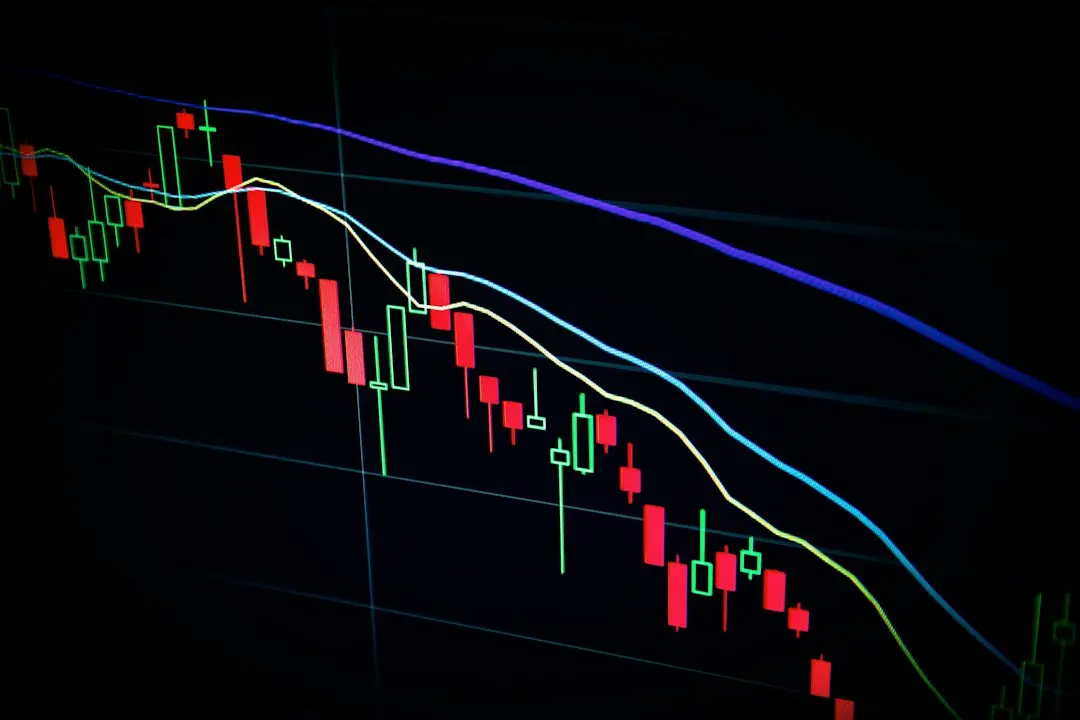
Put Buying Signals Deep Uncertainty
The surge in put buying signals strong bearish positioning among institutional and retail traders. This behavior typically precedes significant price declines or reflects deep uncertainty about the market's near-term direction.
Breaking news
 Injective Seeks SEC Approval for Onchain Trading of Tokenized Stocks
 Bitcoin Hits $61,000 as Short Sellers Face $117 Million in Liquidations
 Bitcoin’s Dormant Supply Hits 68.5% as Price Stalls Near $60,000
 Bitcoin ETFs Bleed $3.05B in Seven Days as November Outflows Hit $5.39B
Deribit, the largest Bitcoin options exchange, recorded its biggest put order since the 2022 bear market. Traders are paying a premium for protection against further downside risk. This pattern mirrors the June 2022 crash, when Bitcoin bottomed around $20,000 before recovering.
Glassnode analysts note that such aggressive hedging often indicates traders expect volatility or a potential correction. The current put demand suggests the market is bracing for turbulence rather than celebrating recent gains.
What Does This Mean for Bitcoin's Next Move?
Historically, heavy put buying has preceded sharp declines. In 2022, similar positioning led to a prolonged bear phase. Traders may be preparing for a repeat of that scenario, or using options to manage risk during a volatile consolidation period.
The data points to a market that is cautious, not euphoric. If Bitcoin continues to trade sideways, this hedging activity could dampen upside momentum. Conversely, a sudden drop would validate the traders' bearish thesis.
Frequently Asked Questions
Why are traders buying puts now? Traders are purchasing put options to protect against a potential price drop. This mirrors the hedging behavior seen in June 2022, when Bitcoin fell to $20,000.
What does heavy put buying historically indicate? Historically, spikes in put demand have preceded significant market corrections. In 2022, this pattern coincided with the start of a major bear market.
Where can I track this data? Glassnode publishes regular analyses of options activity on Deribit. Their reports track put-call ratios and open interest to gauge trader sentiment.


