Volatility Premium and Skew Analysis
Laevitas data from October 26 reveals a 9.2-point gap between implied and realized volatility for Bitcoin. This spread signals that traders are paying a significant premium for protection ahead of Federal Reserve announcements.
Breaking news
 Bitcoin Slides Below $76,000 as $250 Million in Leveraged Positions Wiped Out
 Bitcoin Dips Below $76K Then Bounces as Democrats Take House
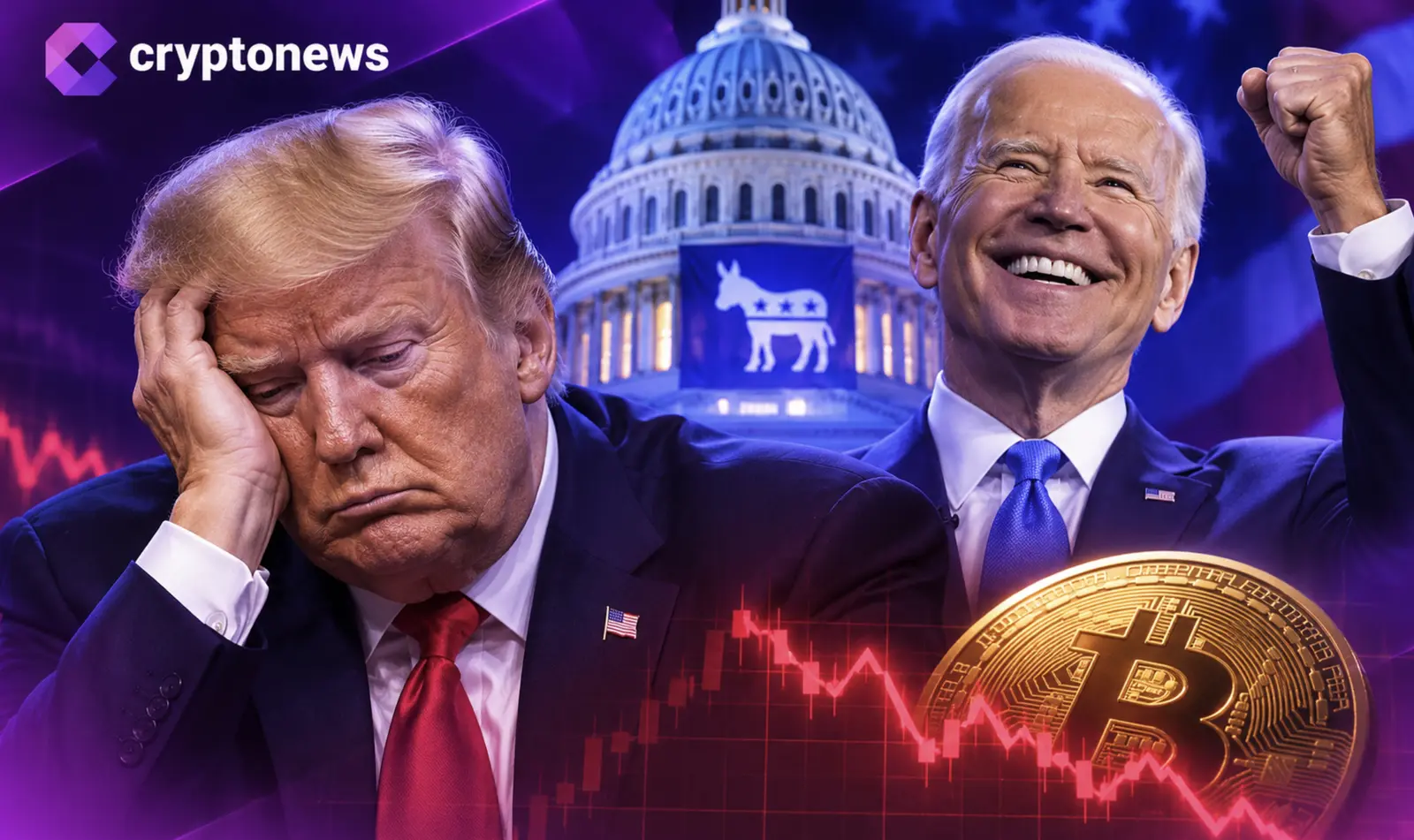 Bitcoin Slides as Democrats Win Senate, Threatening Trump's Crypto Agenda
 Coinbase Adds CARDS to Listing Roadmap, Token Rises 4%
The seven-day implied volatility sits at 36.1%, while realized volatility is 26.9%. This difference reflects market expectations of heightened uncertainty around central bank policy shifts. Traders are pricing in potential price swings that have not yet materialized in actual market moves.
The 30-day skew metric ranks at the 49th annual percentile. This places the put-versus-call imbalance near its historical median. A neutral skew suggests no strong directional bias in the options market. However, the elevated implied volatility indicates traders are hedging against downside risk.
What Happens After the Fed Decision?
Option buyers must account for time decay as the Fed decision approaches. Implied volatility tends to compress after major events, a phenomenon known as the volatility crush. This compression erodes the value of purchased options, making timing critical for profitable trades.
Once the Federal Reserve announces its decision, the volatility premium typically disappears quickly. Historical patterns show implied volatility dropping sharply post-event. Traders who bought options before the announcement face immediate mark-to-market losses as the premium fades.
The neutral skew suggests the market is not heavily biased toward either bullish or bearish outcomes. This balance means option prices will adjust to reflect the new reality after the decision. Buyers should monitor realized volatility closely, as it will determine whether their hedges remain valuable or become overpriced.
Frequently Asked Questions
Why does implied volatility exceed realized volatility before Fed decisions? Traders pay extra for options because they expect larger price moves around the announcement. This expectation creates a premium that disappears once the uncertainty resolves.
What is a volatility crush and how does it affect buyers? A volatility crush occurs when implied volatility drops sharply after a major event. Buyers lose value on their positions as the premium they paid evaporates, often resulting in losses if the market moves less than expected.
What does a 49th percentile skew indicate about market sentiment? A 49th percentile skew means the market is roughly balanced between put and call demand. There is no strong directional bias, suggesting traders are hedging both upside and downside risks equally.