Understanding the Outflow Phenomenon
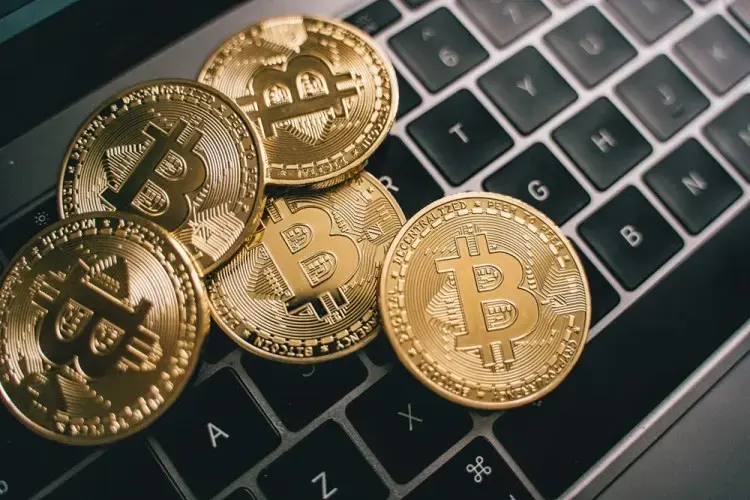
The Bitcoin spot ETFs market has experienced a significant downturn following its strong performance at the start of the second quarter of 2026. Investors have withdrawn $4 billion from these funds over the past three weeks.
Breaking news
 Bitcoin Drops Below $82,000 After Hot US Inflation Data
 Kraken Parent Payward Acquires Saldo Bank for European Expansion
 UK Trader Sues BitMEX Over 1,053 Losing Trades in £20 Million Claim
 EU Banking Regulator Seizes Direct Control of USDC Oversight
The recent outflows are substantial, but market experts view this trend as a potentially bullish signal. Historically, significant outflows have often preceded a market rebound.
The $4 billion outflow indicates a shift in investor sentiment, possibly due to market volatility or profit-taking. This movement could be a precursor to a market correction or a buying opportunity.
Is This a Precursor to a Bitcoin Price Surge?
Some analysts believe that the current outflows are a sign of a maturing market, where investors are rebalancing their portfolios. Others see it as an indication of a potential price increase, as the reduced ETF holdings could lead to a supply shortage.
The consequences of this outflow trend will depend on various factors, including market demand and the overall economic landscape. If history repeats itself, the current downturn could be followed by a significant price surge.
Frequently Asked Questions
What does the $4 billion outflow signify? The outflow indicates a significant shift in investor sentiment, potentially due to market volatility or profit-taking. It may be a precursor to a market rebound.
Are Bitcoin ETFs still a viable investment option? Despite the recent outflows, many experts still consider Bitcoin ETFs a viable investment option, given their historical performance and potential for future growth.
Will the Bitcoin price surge after the outflows? While it's uncertain, some analysts believe that the reduced ETF holdings could lead to a supply shortage, potentially driving up the price.