
Bridging Traditional Energy with Blockchain Technology
The XRP Ledger (XRPL) is rapidly becoming a significant platform. It now holds roughly $3.6 billion in real-world assets. This excludes stablecoins, and the growth is focused on tokenized commodities, particularly in the energy sector. This activity is happening now, establishing XRPL as a key player.
Breaking news
 Bitcoin Drops Below $82,000 After Hot US Inflation Data
 Kraken Parent Payward Acquires Saldo Bank for European Expansion
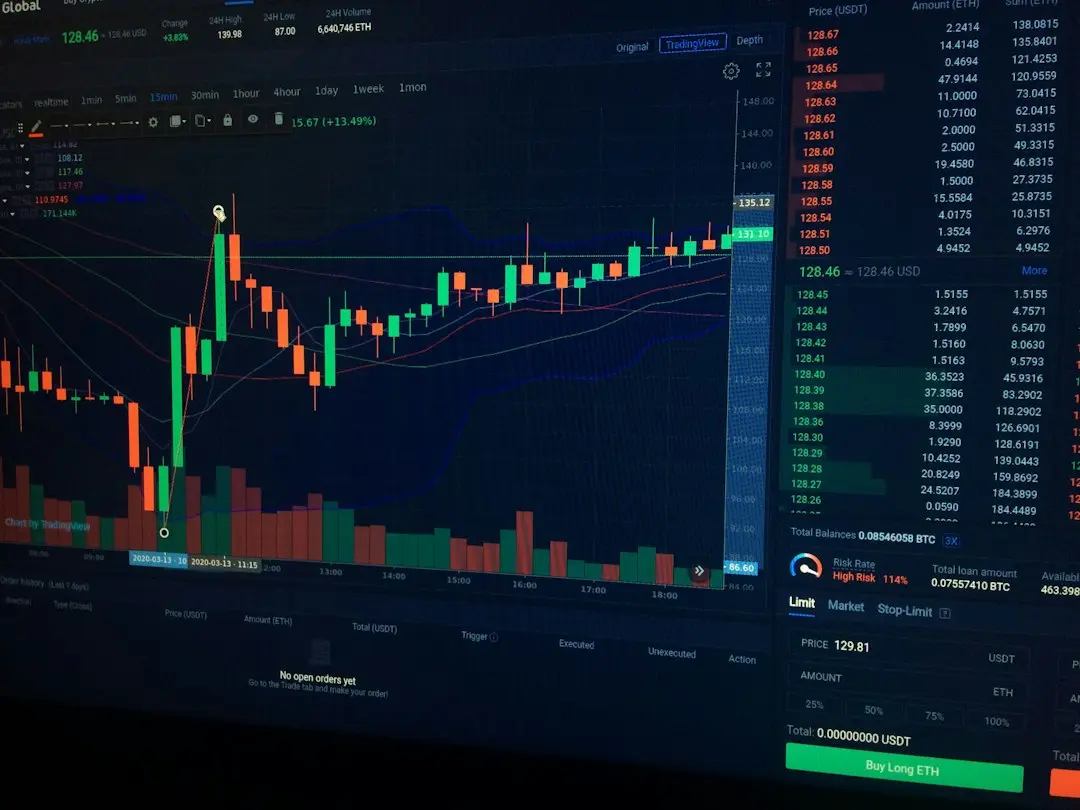 UK Trader Sues BitMEX Over 1,053 Losing Trades in £20 Million Claim
 EU Banking Regulator Seizes Direct Control of USDC Oversight
XRPL’s asset holdings break down into two main categories. Approximately $1 billion is held as „distributed” assets. The remaining $2.6 billion exists as „represented” assets. This distinction is crucial. Represented assets utilize the blockchain for record-keeping and reconciliation, rather than direct ownership transfer. It's a system where the blockchain verifies and tracks ownership of assets held elsewhere.
This approach is attracting attention from energy companies. They are exploring ways to tokenize their commodities. Tokenization offers increased efficiency and transparency. It streamlines processes like trading and settlement. XRPL’s speed and low transaction costs are major draws. These features make it well-suited for handling high volumes of energy transactions.
Could XRPL Become the Standard for Energy Tokenization?
The majority of XRPL’s real-world asset growth centers on this „represented” model. This means the blockchain acts as a secure, auditable layer on top of existing energy infrastructure. It doesn’t necessarily displace traditional systems. Instead, it enhances them. This allows for easier tracking of energy credits, renewable energy certificates, and other commodity-based instruments.
The current $3.6 billion figure represents a substantial increase. It demonstrates growing confidence in XRPL’s capabilities. Experts believe this trend will continue. More energy companies will likely explore tokenization to improve their operations. The ledger’s architecture is designed to handle complex asset management. This is vital for the energy sector's diverse needs.
Frequently Asked Questions
This expansion has significant implications. It could lead to a more efficient and transparent energy market. It also positions XRPL as a potential standard for tokenizing real-world assets. The platform’s focus on regulatory compliance is another key advantage. It appeals to companies operating in heavily regulated industries like energy.
What is the difference between „distributed” and „represented” assets on XRPL? Distributed assets involve the actual transfer of ownership on the blockchain. Represented assets use the blockchain to record and verify ownership of assets held off-chain. This is a crucial distinction in how XRPL handles real-world assets.
How does tokenization benefit the energy sector? Tokenization streamlines trading and settlement processes. It improves transparency and reduces costs. It also allows for the creation of new financial instruments based on energy commodities. This can unlock new opportunities for investment and innovation.