Scaling Physical Networks Through Blockchain Incentives
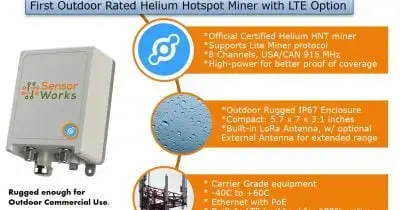
Helium and GEODNET have emerged as the dominant forces within the Solana ecosystem’s decentralized physical infrastructure sector. Despite a broader market cooling period, these two protocols continue to generate substantial transaction fees. Their consistent performance highlights a growing demand for decentralized wireless and mapping solutions built on the Solana blockchain.
Breaking news
 Bitcoin Drops Below $82,000 After Hot US Inflation Data
 Kraken Parent Payward Acquires Saldo Bank for European Expansion
 UK Trader Sues BitMEX Over 1,053 Losing Trades in £20 Million Claim
 EU Banking Regulator Seizes Direct Control of USDC Oversight
These projects leverage decentralized networks to provide real-time connectivity and spatial data. Helium focuses on expansive wireless coverage, while GEODNET utilizes a global network of reference stations for precise positioning. By incentivizing users to host hardware, both platforms have successfully scaled their operations. This model ensures that infrastructure development remains community-driven rather than reliant on centralized providers.
Can Decentralized Infrastructure Outperform Traditional Models?
The success of these protocols stems from their ability to monetize physical utility. Users are compensated with tokens for maintaining network nodes, which creates a self-sustaining economic loop. Solana’s high throughput and low transaction costs make it an ideal foundation for these high-frequency data operations. As more devices connect to these networks, the fee generation remains robust even when speculative trading activity across the crypto market declines.
The resilience of Helium and GEODNET suggests that decentralized physical infrastructure is maturing into a practical utility. Unlike many speculative assets, these networks provide tangible services that function regardless of market sentiment. If this growth trajectory continues, these protocols could challenge established telecommunications and mapping giants. Investors are increasingly viewing these platforms as essential infrastructure rather than mere experimental projects.
Frequently Asked Questions
What makes these networks different from traditional service providers? These projects rely on community-operated hardware rather than centralized corporate infrastructure. This distributed model reduces operational costs and allows for rapid expansion in underserved geographic areas.
Why is Solana the preferred network for these protocols? Solana offers the high transaction speeds and minimal fees required to process constant data updates from thousands of devices. This efficiency allows the networks to scale effectively without hitting performance bottlenecks.