Regulatory Framework Enables Broader Market Participation
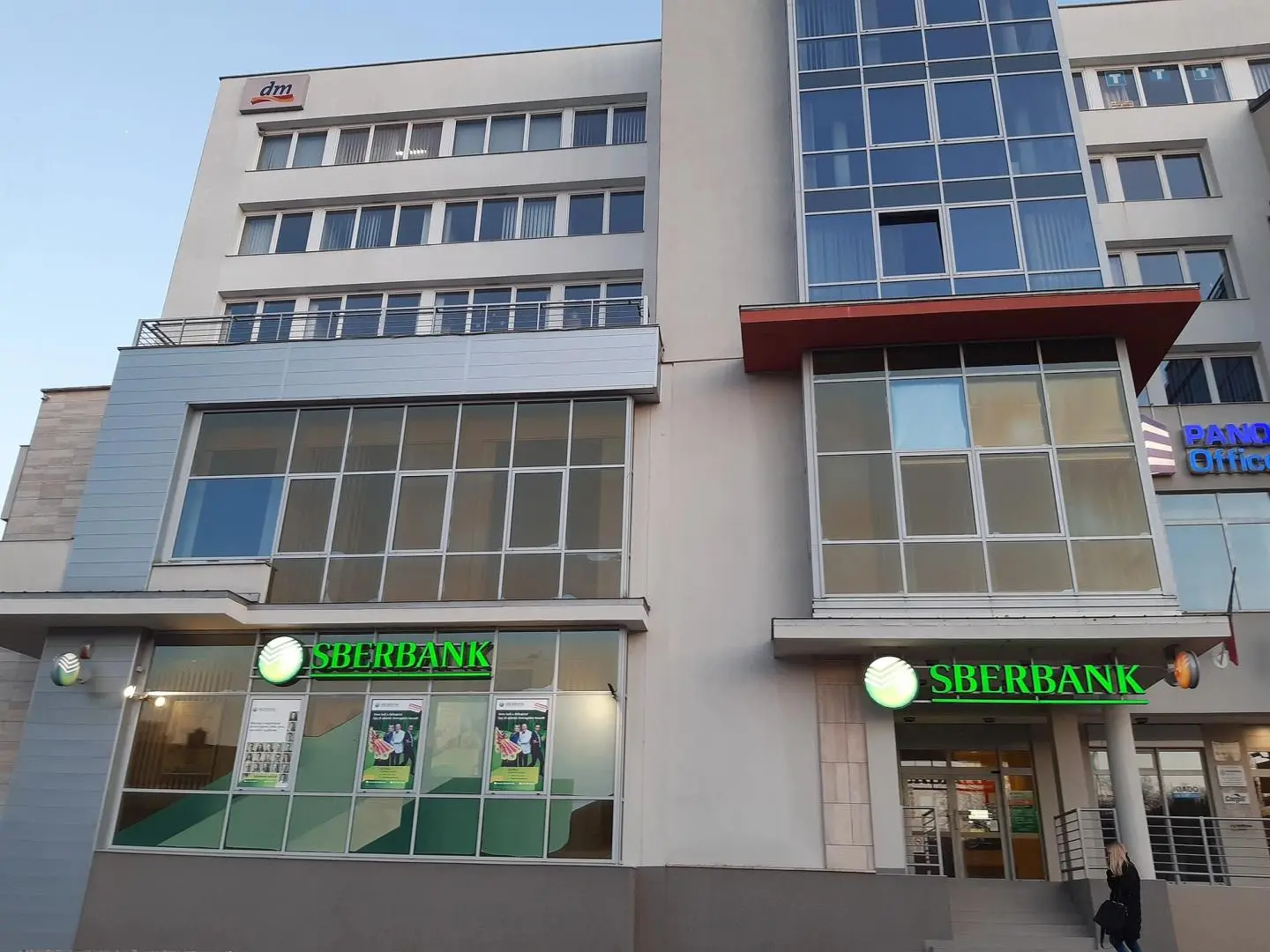
Russia’s largest lender, Sberbank, is preparing to accept ether and Tether as collateral for cryptocurrency-backed loans. This move follows the Bank of Russia’s recent inclusion of these digital assets in a draft regulatory list. The central bank approved these specific tokens for public trading on domestic exchanges. This development signals a significant shift in how major Russian financial institutions view stablecoins and major altcoins. The initiative aims to integrate digital assets more deeply into the traditional banking sector.
Breaking news
 Bitcoin Drops Below $82,000 After Hot US Inflation Data
 Kraken Parent Payward Acquires Saldo Bank for European Expansion
 UK Trader Sues BitMEX Over 1,053 Losing Trades in £20 Million Claim
 EU Banking Regulator Seizes Direct Control of USDC Oversight
The decision stems directly from new guidelines issued by the central bank. Regulators have formally recognized ether and USDT as eligible instruments for public trading. Sberbank intends to leverage this regulatory approval to expand its lending products. By accepting these assets, the bank can offer loans to clients holding digital currency portfolios. This strategy aligns with broader efforts to modernize the Russian financial system. It also provides a clearer path for institutional adoption of crypto assets within the country.
How Does This Change Lending Practices?
The inclusion of these assets in the draft list represents a critical step for market stability. Previously, uncertainty surrounded which cryptocurrencies could be legally traded and used in financial contracts. Now, ether and USDT have a defined status under Russian law. This clarity reduces risk for banks considering crypto-collateralized lending. It encourages other financial institutions to follow suit. The central bank’s role in vetting these assets ensures they meet specific technical and liquidity standards. This regulatory backing helps bridge the gap between traditional finance and the crypto industry.
This change alters the risk assessment models used by major banks. Lenders must now value ether and USDT alongside traditional assets like gold or equities. The volatility of ether requires careful monitoring and margin adjustments. In contrast, the stability of USDT offers a more predictable collateral base. Sberbank will likely set specific loan-to-value ratios for each asset. These ratios will determine how much cash a borrower can receive against their crypto holdings. The process involves custodial solutions to secure the digital assets during the loan term. This infrastructure is essential for minimizing counterparty risk.
The expansion of crypto-backed loans could increase liquidity in the Russian market. Investors may use their holdings to access fiat currency without selling their positions. This preserves potential upside if asset prices rise. For Sberbank, it opens a new revenue stream through interest payments on these loans. The bank can attract a younger, tech-savvy demographic that holds digital assets. This diversification strengthens the overall balance sheet. As more banks adopt similar policies, the market for crypto-collateralized debt may grow rapidly.
Frequently Asked Questions
Which cryptocurrencies are currently approved for public trading? Ether and Tether are included in the latest draft list. The Bank of Russia has designated these two assets as suitable for exchange trading. Other cryptocurrencies may be added in future regulatory updates.
How does Sberbank plan to secure the collateral? The bank will likely use custodial services to hold the digital assets. This ensures the collateral remains safe while the loan is active. Specific technical protocols will be implemented to monitor asset values in real time.